
mon-fri 9-13 / 14.30-18.30
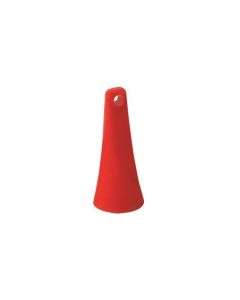
Magnetic polyamide key with reinforced neodymium magnet (8 mm thickness), designed for the exclusive opening of safety buttons (not included) for restraint belts.
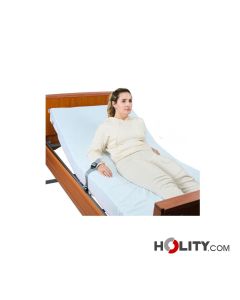
Padded polypropylene wrist strap with sliding buckle for secure immobilization. Washable at 60°C.
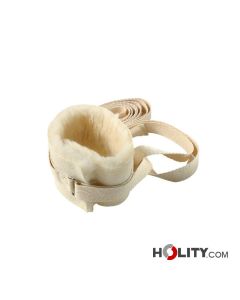
Merino wool wrist restraint with cotton straps. Strap length: 140 cm.
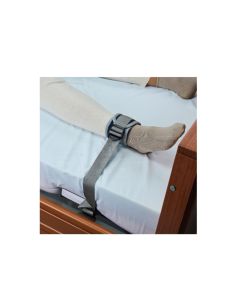
Padded and breathable polypropylene ankle strap with sliding buckle. Use for immobilization. Wash at 60°C.
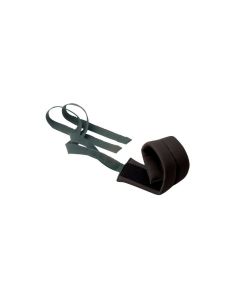
Wrist restraint with ties for patient containment. Velcro closure, washable. Tie length: 120 cm.
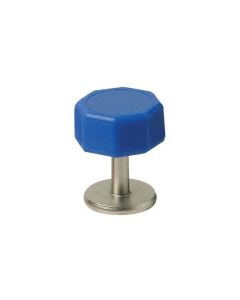
Automatic locking button in polycarbonate/ABS with locking on stainless steel pin, designed for the secure locking of restraint belts. It is removed exclusively with the safety key (not included).
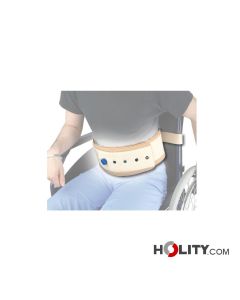
Belt with safety closure. Color: cream. Total length: 130 cm. Adjustable flap circumference: from 70 to 120 cm.
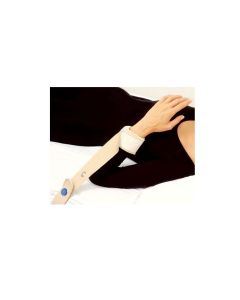
100% cotton arm or ankle restraint straps, with velcro closure and anti-chafing cuff. Total length: 100 cm. Adjustable circumference: from 15 to 30 cm. Cream color. Pack: 2 pieces.
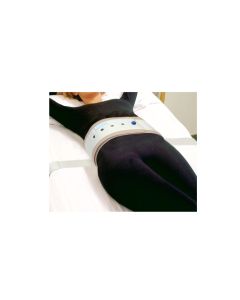
h983_07 restraint belt in 100% cotton for the torso. Adjustable 70-120 cm, ideal for controlled restraint in hospital settings.
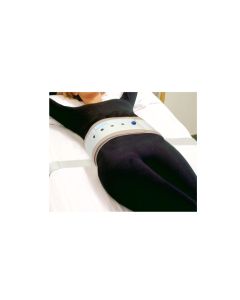
Adjustable restraint belt with 14 cm high soft bodice, strap with eyelets for bed attachment and adjustable circumference from 70 to 120 cm. Color: cream. Adjustable waistband circumference: from 70 to 120 cm.
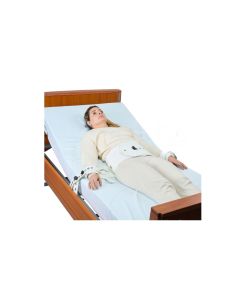
Pair of wrist restraints in padded polyester with magnetic key closure. For bed immobilization use.
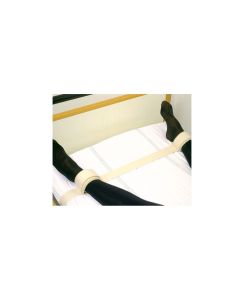
Spreader strap for leg containment in a spread position, with anti-friction padding and velcro closure. Total length: 260 cm. Adjustable circumference: from 15 to 26 cm. To be used exclusively by healthcare personnel.
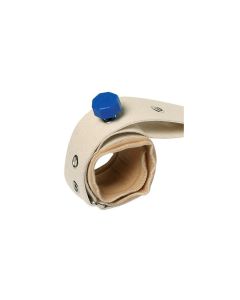
Restraint belts for arms or ankles with reinforced anti-friction cuff, three adjustment eyelets. Total length: 135 cm. Pack of 2 pieces. To be used exclusively by healthcare personnel.
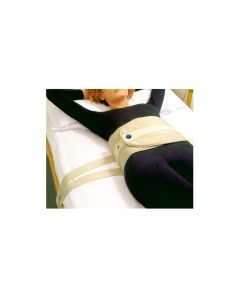
Adjustable restraint belt with 22 cm high soft bodice, allows prone or lateral decubitus while ensuring moderate trunk mobility. Total length: 300 cm. Adjustable circumference: from 85 to 120 cm.
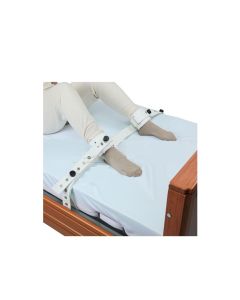
Pair of padded polyester ankle straps with magnetic key closure for stretcher immobilization.
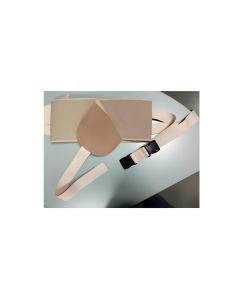
Adjustable restraint belt with 22 cm high soft bodice, velcro and buckle closure, allows prone or lateral decubitus with discrete trunk mobility. Total length: 230 cm. Adjustable circumference: from 85 to 120 cm.
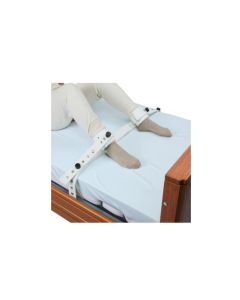
Pair of padded polyester ankle restraints with magnetic key closure. Hospital use.
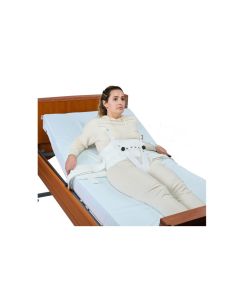
Polyester belt with magnetic closure, for the restraint of bedridden patients. Dimensions: Ø minimum 60 cm, Ø maximum 100 cm.
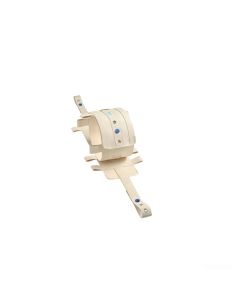
Restraint belt with reinforced rigid bodice, allows the patient to rotate from prone to lateral decubitus. Closure with safety buttons (purchasable separately). Adjustable circumference: from 85 to 130 cm. Total length: 215 cm.
Bed restraint belts and straps are essential medical devices for fall prevention and the safe management of bedridden patients with reduced awareness, psychomotor agitation, or neurological pathologies. These immobilization systems, designed according to international standards, find primary application in hospitals, residential care facilities, intensive care units, and structures dedicated to geriatric care. Their utility also extends to the home environment when it is necessary to ensure protection during night rest or in situations of temporary motor disability.
Their use represents a consolidated practice in hospital and care environments, where the balance between safety and patient dignity remains a core principle. Each device must comply with specific European regulations and clinical guidelines to ensure effectiveness without causing pressure injuries, circulatory limitations, or respiratory discomfort. The choice of the appropriate model depends on the clinical context, the type of patient, and individual anatomical characteristics.
The use of restraint belts and straps represents a fundamental measure to reduce the risk of accidental falls in patients with compromised postural stability, mental confusion, or difficulty in voluntary movement. In hospital contexts, accident prevention is an indicator of care quality and significantly contributes to reducing morbidity rates related to trauma. These devices allow patients to rest safely during hospitalization, while facilitating the work of nursing staff who can dedicate themselves to other care needs with greater peace of mind. Soft restraint, when correctly applied, allows limited but controlled mobility, preserving the patient's dignity compared to forms of total immobilization.
A fundamental aspect concerns the reduction of anxiety in both the patient and caregivers: knowing that reliable and clinically validated protection systems exist contributes to creating a calmer care environment. In geriatric departments and rehabilitation centers, the correct use of these devices significantly improves overall clinical outcomes, reducing post-traumatic complications and accelerating functional recovery. The choice of certified and padded products also guarantees comfort during prolonged rest, a critical element for the quality of the stay. Many facilities have documented a decrease in episodes of psychomotor agitation thanks to the implementation of standardized soft restraint protocols.
The catalog offers a diverse range of devices, each designed for specific clinical and morphological needs. Trunk restraint belts represent the most common model, available in different waistband widths (14 cm up to 22 cm) and with various closure systems: velcro, trident buckle, or magnetic safety buttons. These belts allow prone and lateral decubitus while maintaining control of trunk mobility. Arm and ankle straps, on the other hand, are intended for the selective immobilization of specific limbs, made of 100% cotton or padded polypropylene with velcro closure or sliding buckle. Sizes range from small circumferences (15-30 cm for wrists) up to formats suitable for restricting the lower musculature.
Specialized models include spreader straps for leg containment in a separate position, magnetic key wristbands for selective immobilization, and belts with a reinforced rigid waistband for patients with high involuntary mobility. Some devices are supplied in multiple packs (2 pieces) to reduce unit costs in facilities with a high number of patients. Construction materials include natural cotton, breathable polypropylene, padded polyester, and Merino wool, chosen to balance structural rigidity, breathability, and prolonged comfort. Bed attachment systems vary between simple eyelets, reinforced anchoring rings, and magnetic key systems, with adjustable circumferences ranging from 70 cm up to 130 cm to adapt to different body types.
Appropriate selection primarily depends on the type of patient and the level of restraint required. Patients with mild agitation and good self-awareness benefit from belts with a 14 cm waistband and velcro or buckle closure, which allow a certain freedom of movement while controlling its range. In the case of patients with moderate or severe agitation, belts with a 22 cm waistband and magnetic safety button closure systems are preferable, as they require a dedicated key for release (preventing accidental opening). Accurate measurement of the thoracic circumference is decisive: a device that is too loose loses effectiveness, while one that is too tight causes discomfort and potential circulatory problems.
Common mistakes include choosing non-padded models for prolonged stays, failing to check circumference adjustability, and purchasing attachment systems unsuitable for the type of bed available (some beds require specific eyelets, others only allow side rings). Patients with fragile skin or epidermal allergies benefit from the choice of natural materials such as cotton or Merino wool, while in high-humidity environments, breathable polypropylene offers superior performance. For the immobilization of specific limbs, sliding straps with anti-chafing cuffs represent the standard, with adjustable circumference verified at the time of application. Double packs are economically advantageous for multi-patient facilities, while the single piece meets domestic and rehabilitative needs. An often overlooked aspect concerns ease of cleaning: preferring machine-washable models (60°C) facilitates hygienic management in professional contexts.
Bed restraint belts and straps are regulated as Class IIa medical devices according to European Directive 93/42/EEC, subsequently adopted by national regulations. Every product must comply with the EN ISO 11197 standard, which specifies safety, effectiveness, and performance requirements for restraint devices. Fundamental requirements include resistance to a minimum load of 200 kg for bed attachment, the absence of sharp edges, the biocompatibility of materials in contact with the skin, and the non-flammability of fabrics. The CE marking represents a legal obligation and guarantees that the product meets international safety criteria.
Clinical safety also requires that devices undergo periodic checks during use, especially verifying the integrity of the anchoring systems and the wear status of the materials. WHO guidelines and those of major scientific societies recommend that restraint be adopted as a last resort after excluding other alternative measures, and that every application be documented with the clinical reasons for the choice. Some European countries require informed consent from the patient or family members, although in emergencies this obligation may be waived. Construction materials must ensure uniform contact pressure to avoid pressure injuries, with a minimum padding thickness of 5 mm in critical areas. Biocompatibility certifications (ISO 10993-1) and mechanical resistance must be available for consultation at healthcare facilities, representing an element of verification of product quality and traceability.
Explore all the products in the category and compare the available solutions to find the one best suited to your operational context.
The velcro closure allows for quick and intuitive opening and closing, making it ideal for temporary applications and cooperative patients. Magnetic buttons with a key offer superior protection against accidental openings, essential for agitated or confused patients; they require a dedicated key for release, increasing safety but reducing the speed of intervention in an emergency.
Measure the patient's thoracic or abdominal circumference in a supine position, adding about 2-3 cm of margin. The belt must fit securely without restricting breathing; it should be possible to insert a finger between the device and the skin. Check the adjustability of the range offered: different models cover ranges from 70-120 cm up to 85-130 cm, choosing based on actual needs.
Most cotton and polypropylene models are machine washable at 60°C, a fundamental requirement for hygiene in healthcare environments. Models with magnetic closures require the removal of the key before washing. Consult the specific product instructions, as some materials (Merino wool) may require lower temperatures (30-40°C) to preserve the fibers.
Excessive pressure causes skin marks, persistent redness, edema, or a sensation of respiratory constriction. An application that is too loose is ineffective, allowing uncontrolled movements. Frequently monitor fit, check for the absence of skin abrasions, and periodically verify that the device does not migrate during the patient's rest, adjusting if necessary.
Prolonged use (over 8-12 consecutive hours) increases the risk of pressure injuries; therefore, it is advisable to alternate with free rest periods. Clinical guidelines suggest removing the device regularly to inspect the skin, ensure passive mobilization, and prevent circulatory complications, especially in patients immobilized for long periods.
Single-limb straps offer selective control and work well for patients with moderate agitation or circumscribed involuntary movements. In cases of severe generalized agitation, thoracic belts with reinforced waistbands and safety button closure systems provide superior overall protection, often integrating arm and leg restraint simultaneously.
All CE certified devices must comply with the EN ISO 11197 standard and European Directive 93/42/EEC. Check for the CE marking on the product label, accompanied by a declaration of conformity and the user manual. Biocompatibility is certified according to ISO 10993-1, ensuring the absence of allergic reactions from prolonged contact.
Yes, many suppliers offer discounts for volume orders intended for healthcare facilities. Multiple packs (2 pieces) represent a convenient intermediate format. For significant quantities (10+ pieces), contact the supplier directly to negotiate favorable prices, delivery terms, and technical support for staff training.
 English
  Italian
 French
 German
 Spanish