
mon-fri 9-13 / 14.30-18.30

EN GJL 200 cast iron bollard, height 100 cm with octagonal base. Classic ornamental design with chain eyelets and ground-in fixation.

Ornamental bollard in EN GJL 200 cast iron with galvanized steel core, Ø 20 cm and height 110 cm. Ideal for the aesthetic protection of historic centers.

Galvanized steel bollard, diameter 23.5 cm and height 100 cm. Classic gunmetal design with gold finishes for prestigious urban furniture.

Cast iron cylindrical bollard for outdoor use with helical flutings and spherical knob. Micaceous iron color painting, weight 22 kg, for inground installation (80 cm above ground). Dimensions: 15 x 15 x 100 h cm.
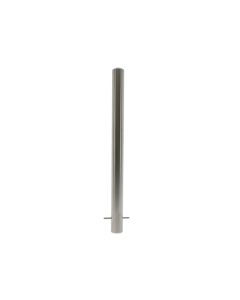
Protection post in AISI 304 stainless steel, height 1200 mm and diameter 102 mm. Robust bollard with 3 mm thickness for urban furniture and security.
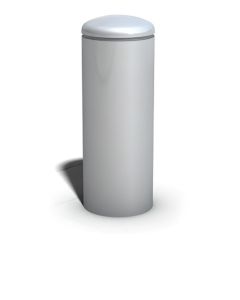
Urban furniture bollard in galvanized steel sheet with semi-spherical cap. Color: bright aluminum. Dimensions: Ø 21.9 x h. above ground 60 cm. Part to be buried: 20 cm.

Cylindrical bollard in satin stainless steel Ø 76 mm, h 1185 mm. Ground-mounted version with decorative cap for elegant urban area delimitation.

High-quality concrete cross-shaped traffic bollard, 41x41x70 cm, 100 kg. Resistant and CAM compliant for pedestrian and private areas.

Cylindrical bollard in EN GJL 200 cast iron, height 100 cm. Equipped with fixed eyelets for chains and quick fastening with expansion bolts.
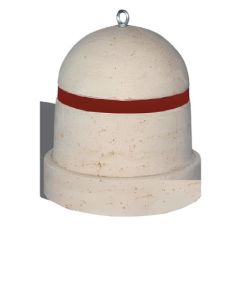
Concrete road bollard Ø60xH70 cm with aluminum band and chain ring. Self-standing surface-mount installation for pedestrian areas and LTZs.

Octagonal section grey cast iron bollard with spherical knob and 2 eyelets for chains, mm 150x150x1350h. Heavy 20 kg structure designed for ground anchoring.

Removable bollard for urban furniture h1047_02 in stainless steel. Post with an increased diameter of 76 mm equipped with automatic closure and a rapid removal system via a triangular key (see optional). Height: 100 cm above ground.

H1003_22 galvanized steel bollard, rounded triangular section, H 80 cm. Contemporary design and dual fixing mode for urban furniture.

High-strength white concrete bollard, 450x450x450 mm. Travertine-effect finish and internal iron reinforcement for safe urban furniture.

Cast iron road bollard h950_05, height 77 cm. Impact-resistant powder-coated structure for the safe delimitation of urban and pedestrian areas.

Urban cast iron bollard h950_04 with decorative rings. Height 77 cm, base diameter 140 mm. RAL 9005 finish for protection and street furniture.

High-quality cast iron h950_03 urban bollard, height 95 cm. Minimalist design without rings for safety and delimitation of public areas.

Road bollard h950_12 in RAL 9005 painted cast iron. Height 1060 mm, diameter 140 mm, ground-embedded fixing for maximum impact resistance.

Reinforced concrete road bollard Ø52x52 cm, weight 200 kg, with hook ring and reflective band for the delimitation of areas and parking lots.

Removable bollard in EN GJL 200 cast iron, height 80 cm and diameter 14 cm. Octagonal design with quick coupling for adjustable traffic areas.

Removable bollard in EN GJL 200 cast iron, decorated truncated cone shape, height 100 cm. Socket system for flexible access management.

Cast iron urban bollard h 95 cm with ring design. Ground-recessed installation for stable and lasting demarcation of historical and pedestrian areas.

Urban furniture bollard made of round steel tube with a spherical element at the top. Anchoring: to be bolted to the ground. Dimensions: Ø 30 x h.45 cm.

Concrete and lava stone bollard for urban furniture, Ø40xH85 cm, equipped with a ring for the delimitation and protection of public areas.

Cast iron bollard h950_01 for urban furniture, height 106 cm, weight 22.5 kg. Anti-corrosion powder finish and classic design for public areas.

Cast iron street bollard h 1060 mm, RAL 9005 painted. Ground-fix installation and chain rings, ideal for protection and urban furniture.

Removable galvanized steel bollard for urban furniture (100 cm). Decorative design with removal socket and gunmetal anti-corrosive finish.

Cylindrical marble grit bollard (Ø36xH60 cm) for urban furniture, with internal steel reinforcement and rounded edge finish.

Powder-coated cast iron column road bollard, height 126 cm. Shockproof and elegant solution for the delimitation of pedestrian areas.
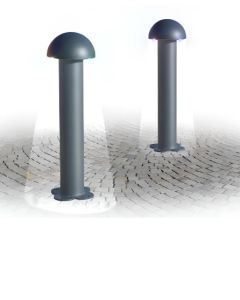
Urban furniture bollard in luminous version with LED. Made of galvanized steel round tube Ø 100mm. with a hemispherical element Ø 200mm at the top.

High-quality cast iron urban bollard, height 98 cm and weight 24 kg. Powder-coated finish for maximum protection and durability.

Cast iron road bollard h950_07, height 98 cm. Equipped with functional rings for chains and in-ground mounting for maximum urban stability.

Galvanized steel bollard Ø 114mm with integrated LED and tilted design (H 100cm). Ideal for safety and modern urban furniture.
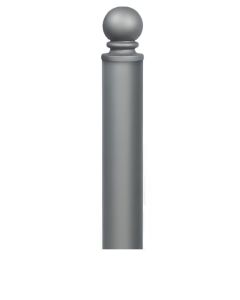
Pack of 20 pieces
€7,914.00 VAT incl.Traffic bollard with tubular steel structure 3 mm thick and 100 mm diameter. Fixing: to be embedded.

Stainless steel bollard for urban furniture, height 1200 mm, diameter 108 mm. Hand-brushed finish with high-quality mirror-polished cap.
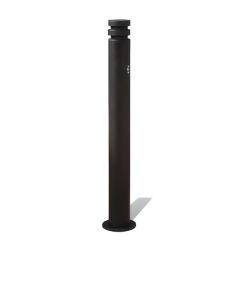
Foldable traffic bollard in galvanized steel, height 110 cm. Tilting system with key lock for management of access points and pedestrian areas.

Cylindrical fiber-reinforced concrete bollard, diameter 30 cm. Resistant street furniture element for delimiting pedestrian zones.
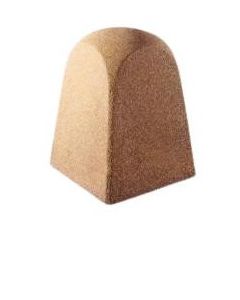
Truncated pyramidal bollard in concrete and marble conglomerate, 180 kg, 45x45x65h cm. Ideal for delimiting urban areas and vehicle parking.
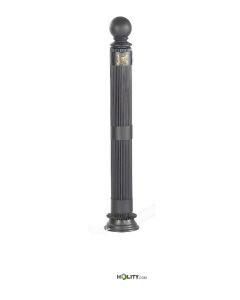
Galvanized steel bollard for public spaces ideal for delimiting historic centers and squares. Height above ground 100 cm. Color: gunmetal gray
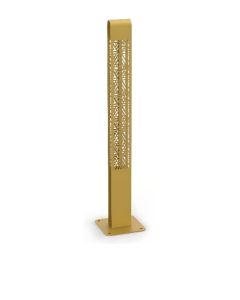
Urban street furniture bollard in painted steel, 10x5x100 cm. Design with triangular patterns, ideal for space delimitation and management.

Galvanized steel bollard with decorative sphere, Ø 19 cm, height 120 cm. Elegant design with chain rings, ideal for historic centers and parks.

Decorative cast iron bollard for urban furniture, height 120 cm and weight 27 kg. Powder-coated, refined design for historic centers and squares.

Protection bollard in AISI 316 stainless steel, diameter 159 mm and height 800 mm. Resistant to marine corrosion for safety and demarcation.

Corten steel bollard for urban furniture (10x5x120 cm) with floral decorations on all four sides for aesthetic and functional safety.

Water-repellent concrete road bollard, 46x46x40 cm, 220 kg. Equipped with a galvanized eyebolt for handling and security chain attachment.

Concrete bollard with lava stone aggregates, Ø 80 x H 115 cm, equipped with side rings. Robust solution for the delimitation of pedestrian areas.

Urban bollard in galvanized steel H100 cm with 37 decorative rods. Removable with socket, gunmetal finish for pedestrian areas and parking lots.

Octagonal fiber-reinforced concrete bollard, Ø 35 x H.62 cm. Heavy-duty solution for urban furniture and access control in historic centers.

Cylindrical fiber-reinforced concrete bollard Ø 28 cm x H 50 cm, 80 kg. With rust-proof nickel band for pedestrian area delimitation.

Concrete and marble mosaic bollard, Ø 50 cm, 100 kg. High-resistance decorative element for the delimitation of pedestrian areas.

Fiber-reinforced concrete bollard and seat (45x45x49 cm) with polished finish. Multi-purpose urban furniture element for delimitation and seating.

Fiber-reinforced concrete bollard with marble and granite inserts. Diameter 60 cm, weight 265 kg, freestanding installation and multiple finishes.
Urban furniture bollards represent indispensable structural elements for the rational management of vehicle flows and the protection of pedestrian spaces within city areas and industrial premises. These devices are not limited to a physical barrier function, but are integrated into the architectural fabric, acting as mediators between active traffic and the safety of passers-by. The adoption of an adequate deterrence system allows for the prevention of illegal parking, the delimitation of limited traffic areas and the protection of sensitive infrastructure, while ensuring an aesthetic impact consistent with the surrounding context.
The choice of a bollard implies a deep evaluation of mechanical performance, resistance to atmospheric agents and installation methods, which can vary from permanent fixing to the ground to mobile systems for temporary access. Making a conscious selection means analyzing the characteristics of materials, such as stainless steel, cast iron or concrete, in relation to the workload and the frequency of use expected for that specific passage or urban perimeter.
The integration of traffic bollards into an urban planning project responds to needs for safety and order that go far beyond simple prohibition of vehicle passage. These tools are designed to absorb or deflect travel trajectories, creating respect zones for pedestrians, cyclists and vulnerable road users. In high-density residential or commercial contexts, the use of professional bollards allows for the establishment of a clear hierarchy between spaces, drastically reducing the risk of accidents resulting from improper maneuvers or unauthorized access in reserved areas.
From an asset and public management perspective, installing high-quality solutions reduces long-term maintenance costs and protects existing urban furniture, such as benches, planters and monuments, from the accidental impact of vehicles. Furthermore, the presence of certified bollards increases the perception of safety among citizens, enhancing the urban environment and favoring the livability of open spaces. The structural robustness of these elements guarantees a multi-year durability even in adverse weather conditions or in environments characterized by high salinity, such as coastal locations, where corrosion could compromise the integrity of non-professional products.
The effectiveness of deterrence systems also lies in their ability to act as a visual deterrent, immediately communicating the nature of the protected area without the need for bulky vertical signs or invasive barriers. In industrial or logistical sectors, bollards are used to delimit loading and unloading lanes, protect warehouse pillars and separate forklift transit areas from those reserved for personnel. This application versatility makes the bollard a fundamental component not only for municipalities and public administrations, but also for managers of private car parks, shopping centers and residential complexes that require rigorous and efficient access control.
Choosing products made with advanced surface treatments, such as hot-dip galvanizing or epoxy powder coating, ensures that the device maintains its mechanical and aesthetic characteristics unaltered over time. Impact resistance is the reference technical parameter: a correctly sized bollard must be able to stop or slow down a moving vehicle based on the specific safety needs of the installation area, balancing structural rigidity with programmed deformation capacity to minimize damage in the event of low-speed collisions.
The technological landscape of urban furniture bollards offers a wide range of solutions differentiated mainly by the actuation mechanism and the construction materials used. Fixed bollards represent the traditional choice for the permanent delimitation of pedestrian areas or for the protection of sidewalks; they are anchored directly to the ground by embedding in concrete or fixing with flange and plugs, offering maximum mechanical resistance. Conversely, mobile or removable bollards are equipped with key systems or removable bases, ideal for passages that must be opened occasionally for the passage of emergency vehicles or for urban maintenance operations.
For automated flow management, retractable bollards (pneumatic or electromechanical) represent the technical vanguard: these cylinders retract into the road surface, allowing vehicle transit without creating physical obstacles when they are not active. The stainless steel variants are particularly appreciated for modern and prestigious contexts, thanks to their innate resistance to rust and the polished or satin finish that gives a contemporary look. Cast iron, on the other hand, remains the material of choice for historic centers, where the classic design blends perfectly with period architecture, while guaranteeing a high mass for effective physical contrast.
In addition to functional differences, bollards are distinguished by their format and nighttime visibility, often increased through the application of retroreflective strips or the integration of LED lights on the cylinder head. There are flexible models, made of high-shape-memory plastic materials, capable of bending in case of impact and returning to their original position without being damaged or damaging the vehicle; these are particularly suitable for narrow maneuvering areas or car parks where impact is a frequent event. Concrete or reconstituted stone bollards, for their part, offer a heavy and stable aesthetic solution, often used in combination with chains to create long and continuous perimeter delimitations.
The diversification of diameters and heights above ground allows the protection to be configured based on the type of prevailing traffic: taller bollards are necessary to be visible to drivers of heavy vehicles or SUVs, while standard height models (about 60-80 cm) are sufficient for normal city traffic. Each variant requires a specific analysis of the installation substrate, as the stability of a bollard depends as much on the quality of the product as on the solidity of the base on which it is mounted, especially in the case of models intended for passive anti-ram security.
The selection of the ideal bollard requires a preliminary analysis of the context of use that goes beyond the simple aesthetic aspect. The first factor to consider is the frequency of access: if the protected area must be accessible several times a day to residents or service vehicles, it is essential to opt for automatic retractable bollards or semi-automatic systems that do not require physical effort for movement. In areas where access is required only rarely, such as for street cleaning or emergency interventions, a removable model with a triangular key or European cylinder represents an economical and effective solution.
A common mistake in the purchasing phase is underestimating the nature of the soil: the installation of fixed bollards requires an adequate excavation depth to guarantee stability against lateral stresses, while for retractable models it is critical to provide an effective rainwater drainage system to avoid stagnation inside the pit, a main cause of electrical malfunctions or premature oxidation of mechanical components. The useful height of the bollard must also be evaluated: a device that is too low might not be seen during reversing maneuvers, causing continuous accidental damage that could be avoided with the use of high-intensity reflective strips or contrasting colors.
Another fundamental criterion concerns the level of security required by the site. In sensitive areas, such as embassies, banks or crowded squares, it is necessary to orient towards certified bollards with impact resistance calculated in Joules, capable of resisting forced intrusion attempts. In these cases, the internal structure of the bollard is reinforced and the anchoring system is dimensioned to dissipate the energy of a high-speed impact. On the contrary, for the simple protection of a private sidewalk, a steel tubular bollard with plug fixing may be sufficient, reducing installation costs.
It is equally important to verify the compatibility of the materials with the surrounding environment: in mountain areas subject to de-icing salt spreading, or near the sea, AISI 316 stainless steel is the mandatory choice to prevent pitting corrosion. Finally, aesthetics must not be neglected: the design of the bollard must harmonize with other urban furniture elements, such as lighting poles and bins, to avoid a visual fragmentation of the public space. A well-chosen product not only solves a functional traffic problem but contributes to urban decorum and the longevity of the infrastructure investment.
Traffic bollards must respond to specific regulatory requirements that regulate their use and technical characteristics to guarantee public safety. In Italy, the Highway Code defines bollards as artifacts designed to prevent parking or transit in certain areas, establishing that their installation must be authorized by the road owner. It is essential that such devices are clearly visible and that they do not constitute a danger to cyclists or motorcyclists; for this reason, technical regulations often impose the use of specific colors or the integration of retroreflective elements that signal their presence even in low light or fog conditions.
In addition to traffic-related aspects, bollards must comply with European regulations on product safety and, if automated, the Machinery Directive. The latter requires that retractable bollards be equipped with integrated safety systems, such as obstacle detection sensors or acoustic and light signals during movement, to prevent accidental crushing or lifting of people or vehicles passing over the cylinder. Compliance with CE standards is an essential prerequisite for every professional supply, ensuring that the product has been tested to withstand the static and dynamic loads declared by the manufacturer.
An often overlooked aspect concerns the regulations on the removal of architectural barriers: bollards must be positioned so as not to obstruct the passage of wheelchairs or strollers, maintaining minimum gaps compliant with current legislation on inclusive mobility. In pedestrian areas, the arrangement of bollards must follow precise patterns that allow for the protection of the perimeter without turning into a physical trap for those with mobility difficulties.
Internationally, impact resistance tests follow standards such as PAS 68 or IWA 14-1, which classify bollards based on their ability to stop vehicles of different masses at varying speeds; these standards are the technical references for the design of anti-terrorism protection systems. The choice of materials must also reflect standards of sustainability and recyclability, with particular attention to the paints used which must be free of heavy metals and resistant to UV rays to avoid superficial chemical degradation. The technical documentation accompanying the product must always include certificates of origin of the materials and declarations of performance (DoP), essential for the testing of public or industrial works.
Explore all the products in the category and compare available solutions to find the one best suited to your operational context.
In coastal environments with a high concentration of salt, the recommended material is AISI 316 stainless steel. Compared to common galvanized steel or AISI 304 stainless steel, the 316 variant contains molybdenum which provides superior resistance to saline corrosion and pitting, ensuring structural integrity and shine over time without the need for frequent protective maintenance.
Yes, automatic bollards require semi-annual checks to ensure operational safety. The main interventions concern cleaning the housing pit to avoid debris accumulation, checking correct rainwater drainage, verifying safety sensors and monitoring fluid levels in hydraulic systems or greasing mechanical components and electric motors.
The fixed bollard is designed for permanent installation via burial or bolted flange, offering constant resistance over time. The removable model is equipped with a base that remains fixed to the ground and an upper body that can be removed by acting on a key lock, allowing temporary access to authorized vehicles or emergency vehicles in normally restricted areas.
The most common heights above ground vary between 600 mm and 800 mm. This measurement ensures that the bollard is visible from the rear-view mirrors of cars and perceivable by pedestrians. In industrial contexts with heavy vehicle transit, models 900-1000 mm high are preferred to avoid accidental collisions due to the raised position of truck driving cabs.
To prevent stagnation, during installation it is necessary to create a base of gravel or draining crushed stone under the bottom of the pit or cylinder. In electromechanical or pneumatic models, it is essential to connect the pit drain to the rainwater drainage network, ensuring that moisture does not damage the internal components and does not compromise the fluidity of the rising movement.
Many manufacturers offer the possibility of customizing the head of the bollard or the cylindrical body via laser engraving or direct casting on cast iron. This option is widely used by municipal administrations to integrate the city coat of arms and by business centers to strengthen brand identity, transforming a safety element into a distinctive and decorative urban furniture complement.
The use of retroreflective strips, typically class 2, is highly recommended and often imposed by local regulations to ensure night safety. These strips allow drivers to identify the obstacle thanks to the reflection of the light from the headlights, reducing the risk of collisions in poorly lit areas and guaranteeing the compliance of the device with safety requirements for public roads.
 English
  Italian
 French
 German
 Spanish