
mon-fri 9-13 / 14.30-18.30
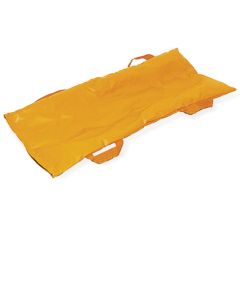
Pediatric vacuum mattress in PVC and Nylon for secure immobilization. Dimensions 1300x600 mm, 30 kg load capacity with 4 transport handles.
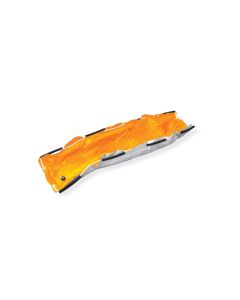
Vacuum mattress h567_33 in PVC and Nylon for traumatic immobilization. Dimensions 215x90cm, 9 handles, radiolucent and self-extinguishing.
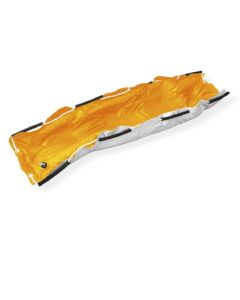
Professional vacuum mattress in self-extinguishing fabric for spinal immobilization. Dimensions 2150x900mm, radiotransparent with 9 handles.

Pack of 5 pieces
€2,121.84 VAT incl.Vacuum mattress suitable for the recovery of casualties. Dimensions: 110 x 220 cm.
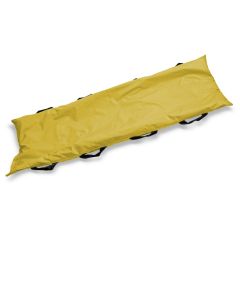
Compact vacuum mattress in PVC and removable nylon (2060x800 mm). Equipped with 8 integrated handles and brass valve for immobilization.
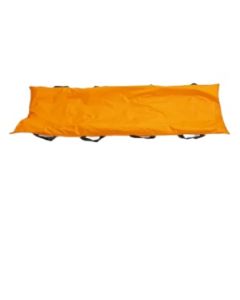
Compact vacuum mattress in PVC and nylon (2060x800 mm). Capacity 150 kg, 8 handles and brass valve for professional spinal immobilization.

Pack of 5 pieces
€2,351.04 VAT incl.Vacuum mattress for patient immobilization. Dimensions: 110 x 220 cm.

Pack of 5 pieces
€2,718.48 VAT incl.Vacuum mattress for casualty recovery. Dimensions: 110 x 220 cm.
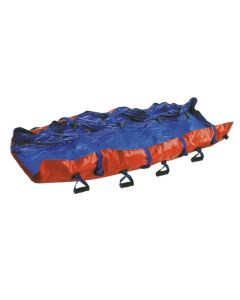
Professional TPU vacuum mattress for medical emergency, 212x75 cm. Includes 8 handles, 4 belts and pump, with a capacity up to 160 kg.
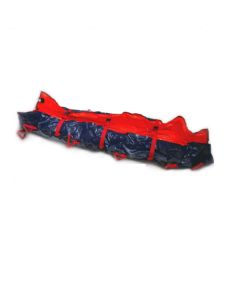
Pack of 2 pieces
€1,302.72 VAT incl.Vacuum mattress for casualty recovery. Dimensions: 110 x 220 cm.
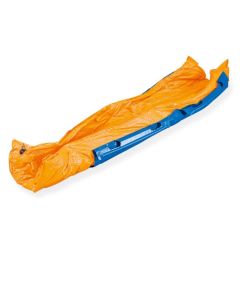
Anti-retraction vacuum mattress in PVC for total immobilization. Dimensions 2025x855 mm, with rigid inserts and 8 reinforced handles.
Pack of 5 pieces
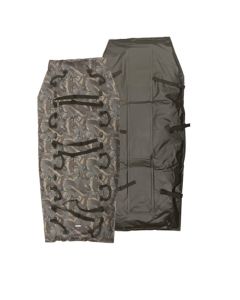
€3,452.40 VAT incl.Vacuum rescue mattress suitable for the army. Dimensions: 110 x 220 cm.

Dual-use vacuum mattress in PVC and polystyrene, 2030x990 mm. Reversible for stretcher, 150 kg load, with 8 handles and brass valve.
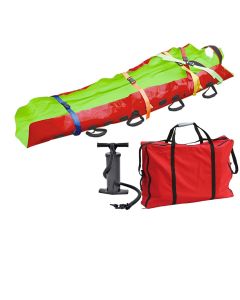
Vacuum mattress in TPU and EPS for trauma immobilization, 204x100 cm, radiolucent with 200 kg capacity. Includes pump and bag.
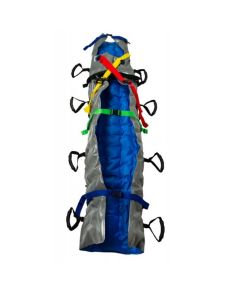
TPU vacuum mattress for emergency rescue, 200x92 cm, featuring modular belts and UV resistance.
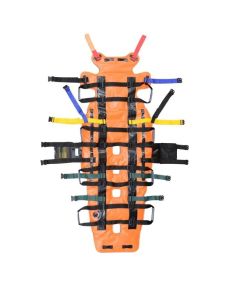
h1046_08 PVC vacuum mattress for patient immobilization. Compliant with EU Regulation 2017/745, compatible with stretchers.
Vacuum mattresses are essential medical devices in the first aid and health emergency sector. These specialized devices allow for the complete immobilization of the patient’s body, guaranteeing essential cervical and spinal stabilization during recovery and transport operations. Their construction allows them to adapt perfectly to the patient’s anatomical shapes, creating a single block between the mattress and the body that minimizes the risk of unwanted movements. Used by ambulances, firefighters, civil protection, the army, and mountain rescue, they represent an indispensable tool in situations of trauma and extreme emergency, where correct immobilization can make the difference between complete recovery and serious complications for the patient.
The use of vacuum mattresses in the medical emergency context responds to critical needs for immobilization and safe transport. During a rescue intervention, the correct management of the traumatized patient is decisive: the vacuum mattress allows the body to be completely immobilized through the action of the vacuum created by the internal valve, which sucks the air from the outer lining filled with granular material. This mechanism allows for perfect adherence to body contours, minimizing movements during transport and limiting further damage to existing injuries. Practical applications range from road rescue to recovery in mountain environments, from hospital emergencies to military operations, where the stability of the patient during transport represents a critical element for the prognosis.
Operational advantages are significant: the speed of immobilization, ease of use even with a limited number of rescuers, the ability to adapt to patients of different body types, and reliability in maintaining the position acquired throughout the transport route make these devices irreplaceable. High-resistance material construction ensures durability over time, while ergonomic handles facilitate movement and displacement of the patient. Furthermore, vacuum mattresses represent an economically efficient solution compared to other immobilization techniques, as they require minimal maintenance and have a long useful life.
The market offers several variants of vacuum mattresses, each designed for specific operational needs and contexts of use. Standard models have dimensions around 210x90 cm, with load capacities between 150 and 200 kg, suitable for most ordinary rescue interventions. Alongside these, there are pediatric versions with reduced dimensions (130x60 cm), particularly important for ensuring correct immobilization in growing patients, where anatomical adaptation is even more critical. Tapered mattresses, with a profile that narrows towards the feet, facilitate patient access and extraction in confined spaces, such as inside crashed vehicles or in hard-to-reach environments.
Regarding materials, versions range from PVC with nylon covering for standard applications, to TPU (thermoplastic polyurethane) models for more demanding environments and conditions of use. Some models feature a removable cover, which facilitates hygiene and sanitization operations, an increasingly important aspect in modern rescue facilities. Mattresses with an integrated head immobilizer represent an advanced solution, particularly useful for patients with cervical or craniofacial trauma, where additional head support prevents unwanted lateral movements. There is also a category of dual-use mattresses, which combine the vacuum immobilization function with a standard transport capacity, offering greater operational versatility to rescue teams with limited space or budget.
The selection of the most appropriate vacuum mattress must first consider the operational context in which it will be used. Road and hospital rescue teams generally find the standard size (210x90 cm) to be the most versatile solution, capable of managing almost all adult patients. In contrast, structures dedicated to pediatric rescue or specialized in pediatric emergencies must equip themselves with pediatric models to ensure effective immobilization without compromising safety. For operations in mountain or caving environments, tapered models are preferable, as their profile allows passage through narrow gaps and reduced access corridors, often decisive in these recovery operations.
An aspect frequently underestimated is the nominal load capacity: although 150 kg is the norm, choosing a model with a higher capacity (200 kg) offers a greater safety margin and allows the same mattress to be used for a potentially wider patient population. The material of the outer lining affects durability and resistance to adverse environmental conditions: TPU guarantees superior performance in humid environments or with extreme temperatures, while standard nylon is sufficient for use in ordinary conditions. Common errors include underestimating the importance of regular maintenance of the vacuum system, which must ensure a perfect airtight seal to function effectively. The evaluation of ease of cleaning and sanitization has become critical after the pandemic experience, making removable cover models particularly appreciated by facilities handling high volumes of interventions.
Vacuum mattresses must comply with technical and safety standards defined at European and national levels. The EN 1865 standard constitutes the main reference for patient immobilization and transport devices, establishing performance, safety, and biological compatibility requirements for the materials used. Every marketed mattress must bear the CE marking, which certifies compliance with current European directives on medical devices. In addition to these general aspects, specific regional regulations may provide for additional requirements for use in ambulances or rescue structures, with particular attention to self-extinguishing materials to prevent fire risks during transport.
Operational safety also extends to construction factors: handles must be sized to allow a firm grip by multiple rescuers simultaneously, the outer fabric must be resistant to tears and lacerations, and the vacuum system must guarantee an airtight seal throughout transport, even under conditions of vibration or movement. The declared load capacity represents a binding parameter, not just a simple indication: exceeding it compromises structural integrity and the effectiveness of immobilization. Recurring aspects in compliance checks include the resistance of the valve mechanism to repeated stress and the chemical-physical stability of materials in contact with the patient’s skin, particularly important in case of open wounds or extensive trauma.
Explore all products in the category and compare the available solutions to find the one best suited to your operational context. From pediatric sizes to mountain rescue models, from ordinary transport to specialized operations: consult the detailed technical sheets and evaluate the specifications of each model in relation to your operational needs and the logistical constraints of your facility.
A vacuum mattress is a medical device consisting of a nylon outer cover and an inner chamber filled with granular material, equipped with a vacuum valve. During use, the rescuer positions the patient on the mattress and activates the valve, which sucks the air out of the chamber, creating a partial vacuum. This allows the granular material to consolidate around the patient’s body, completely immobilizing them and adapting perfectly to their anatomy.
The most common dimensions are 210x90 cm for standard adult models, with a load capacity usually between 150 and 200 kg. There are pediatric variants of smaller dimensions (typically 130x60 cm) and tapered versions for restricted environments. Some manufacturers also offer special sizes upon request, depending on the operational needs of the rescue facility.
Tapered models have a profile that progressively narrows towards the feet, facilitating insertion in confined spaces such as crashed vehicles or difficult-to-reach environments. Standard models maintain a uniform width and are more versatile for ordinary interventions. The choice depends on the operational context: mountain and caving rescue prefer tapered models, while road and hospital rescue mainly use standard ones.
Maintenance includes periodic checks of the vacuum system and the airtightness of the valve. Removable cover models allow the cover to be removed for cleaning with water and standard disinfectants. For non-removable models, sanitization is done on external surfaces using sanitizing wipes. It is important to avoid extreme temperatures and store the mattress in a dry place protected from direct sunlight to prolong its life.
The standard capacity is 150 kg, sufficient for most adult patients. However, choosing a model with a 200 kg capacity provides a greater safety margin and operational versatility. It is important never to exceed the declared capacity as it compromises structural integrity and the effectiveness of immobilization during transport of the injured person.
Although the operating principle is simple, correct training for rescuers on patient positioning, valve activation, and handling techniques is essential to maximize effectiveness and ensure safety. Most rescue facilities provide periodic training on immobilization devices during professional refresher courses.
The main reference is the EN 1865 standard, which establishes performance, safety, and biological compatibility requirements. Every mattress sold must bear the CE marking certifying compliance with European directives on medical devices. Some regions may provide for additional requirements, such as self-extinguishing materials for ambulance transport, verifiable by consulting local regulations.
 English
  Italian
 French
 German
 Spanish