
mon-fri 9-13 / 14.30-18.30
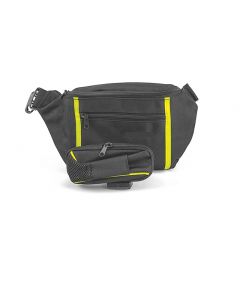
Accessory waist bag for rescue professionals. With 2 compartments and yellow reflective inserts.
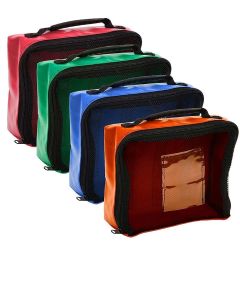
Pack of 2 pieces
€62.06 VAT incl.Pouch for filling rescue bags and backpacks. Available in multiple colors. Dimensions: W22.5 x D18.5 x H9 cm.
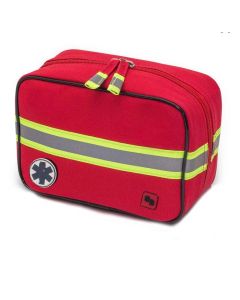
Isothermal ampoule case. Dimensions: 9x20x14 cm
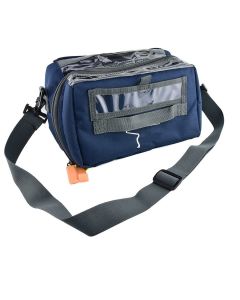
Pack of 3 pieces
€111.71 VAT incl.Emergency bag with internal compartments for syringes and cannulas. Dimensions: W29 x D18 x H9.5 cm.
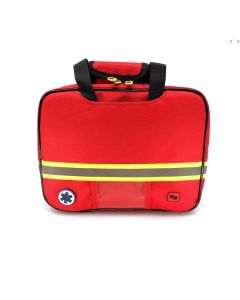
Large capacity ampoule bag. 2 removable panels.
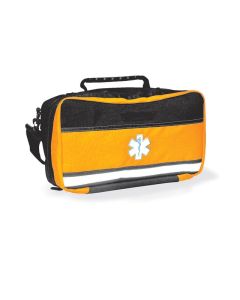
Emergency accessory bag. Dimensions: W36 x D13 x H20 cm. Capacity: 10 lt.
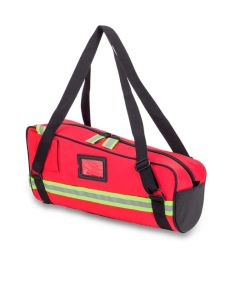
Emergency bag for oxygen cylinder transport. Color: red. Material: polyester.
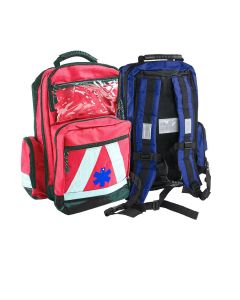
Rescue backpack for first aid operations.
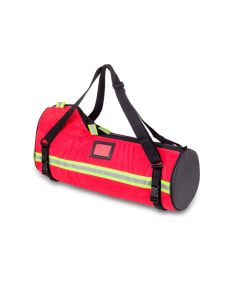
Cylindrical oxygen therapy bag. Dimensions: 66x35x22 cm
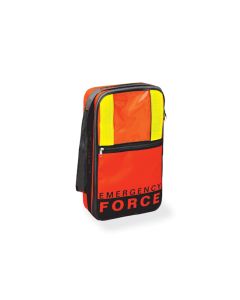
Emergency first aid backpack ideal for heavy medical devices. Capacity: 17 L. Dimensions: 275 x 130 x H.490 mm.
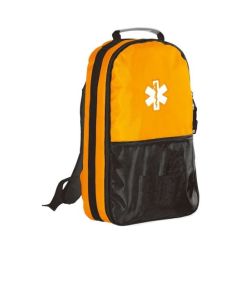
First aid backpack with internal volume of 12 L. Material: Nylon, TPU.
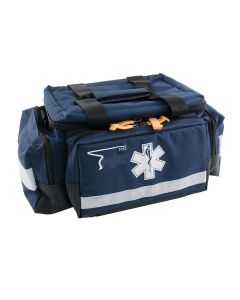
Pack of 2 pieces
€141.82 VAT incl.Emergency bag in water-resistant nylon. Dimensions; W43 x D21 x H27 cm.
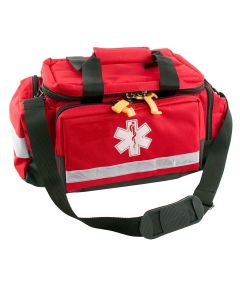
Emergency bag for ambulance. Dimensions: W43 x D21 x H27 cm. Available in water-repellent nylon or waterproof PVC version.
First aid bag with side pockets with protected zipper. Capacity: 18L. Dimensions: 340 x 260 x H200 mm.
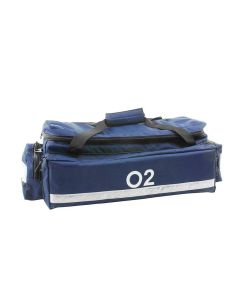
Pack of 2 pieces
€150.62 VAT incl.First aid bag for oxygen cylinder. Dimensions: W53 x D26 x H18 cm.
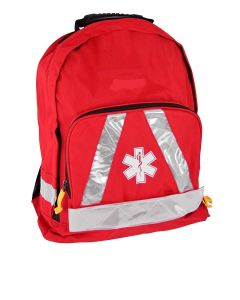
Emergency and first aid backpack. Equipped with reflective strips. Dimensions: W43 x D38 x H11 cm.
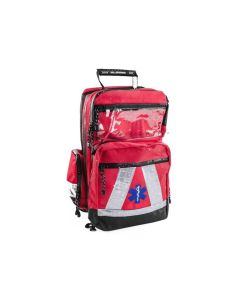
Professional first aid backpack in waterproof material with 5 transparent modular pockets, side compartments and reflective strips (25x20x46 cm).
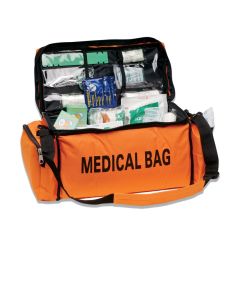
Pack of 2 pieces
€164.95 VAT incl.Special kit designed for first aid in sports clubs, complete with a nylon bag with a shoulder strap for easy transport.
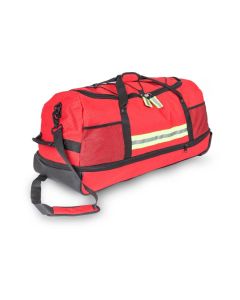
Foldable bag with wheels for transporting PPE. Dimensions: W. 31 x D. 77 x h. 36 cm. Weight: 1.5 kg.
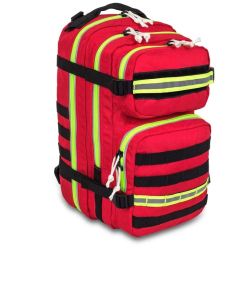
Compact first aid backpack. 25x26x44 cm
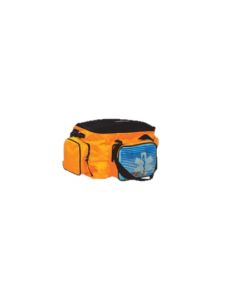
Emergency first aid bag with 11.5L capacity ideal for rescue teams. Dimensions: 440 x 230 x H.190 mm.
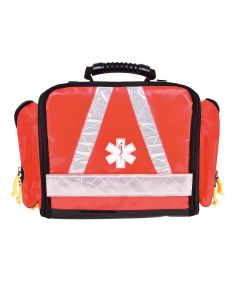
Emergency first aid bag. Color: red. Dimensions: W45 x D18 x H28 cm.
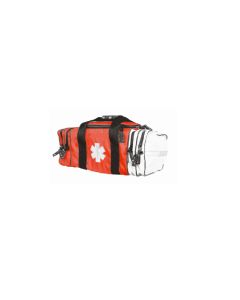
First aid bag ideal for transporting medical instruments. Dimensions: 570 x 320 x 210 mm. Color: red/white.
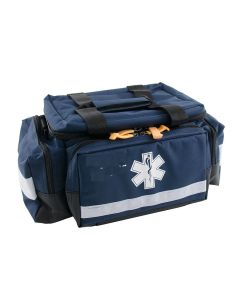
Emergency rescue bag for healthcare professionals. Dimensions: W51 x D26 x H31 cm. Color: blue with white reflective strips.
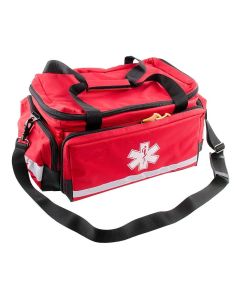
Super spacious emergency rescue bag. Available in water-repellent nylon or waterproof PVC. Dimensions: W51 x D26 x H31 cm.
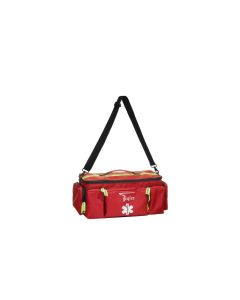
Professional first aid bag in red water-repellent material, 52x21x28 cm. Modular organization with 6 internal pouches and reflective strips.
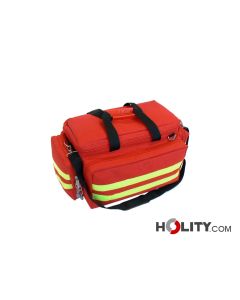
Pack of 2 pieces
€191.50 VAT incl.Medium-modular emergency bag in 600D polyester, 55x35x32 cm. 6 customizable compartments and waterproof bottom for professional and medical rescue.
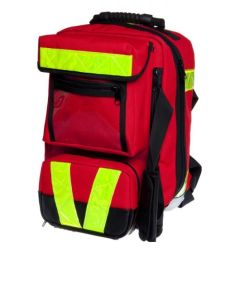
Emergency backpack for AED and rescue equipment. With reflective strips. Dimensions: W15 x D31 x H40 cm.
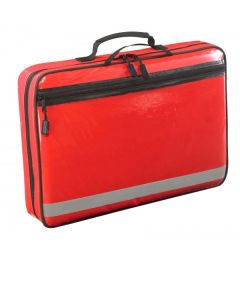
Emergency bag for rescue operations. Dimensions: W48 x D5 x H33 cm.
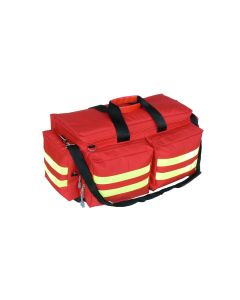
Professional emergency bag in water-resistant 600D polyester (65x35x35 cm) with 6 modular compartments and waterproof rubber bottom for rescue.
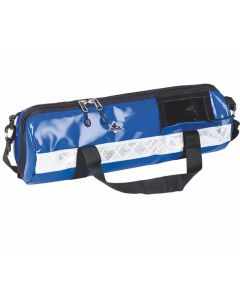
Professional tarpaulin bag for 2-5 liter oxygen cylinders. Dimensions 53x15 cm, with rapid access to the regulator and stretcher attachments.
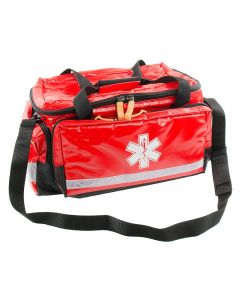
First aid bag in waterproof material. Dimensions: W51 x D31 x H26 cm.
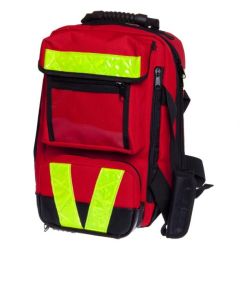
Spacious and easy-to-carry emergency backpack. Dimensions: W19 x D38 x H56 cm.
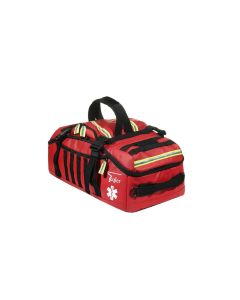
Professional first aid backpack in red water-repellent material, 63x35x25 cm. Modular three-section design for rapid emergency interventions.
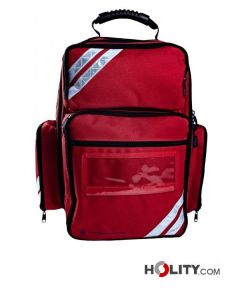
Lightweight and compact emergency backpack. Dimensions: W27 x D18 x H45 cm.
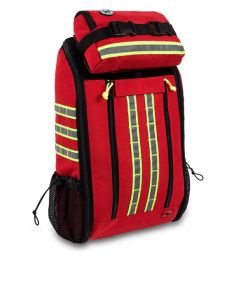
Emergency and first aid backpack. Equipped with a quick opening system. Dimensions: W31 x D12 x H50 cm.
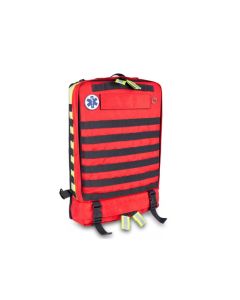
Compact first aid backpack in 1000D polyester (33x8x51 cm). MOLLE modular system and quick anchoring for interventions in confined spaces.
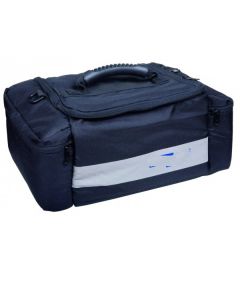
Emergency bag with adjustable shoulder straps. Dimensions: 240x280x400 mm
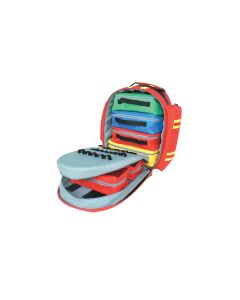
Water-repellent 600D polyester medical backpack (40x25x47 cm) with 6 modular pouches and reflective strips for professional emergency rescue.
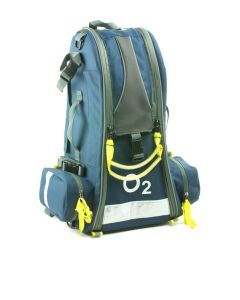
Emergency backpack for oxygen cylinder transport. With reflective strips. Dimensions (excluding external pockets): W35 x D23 x H55 cm.
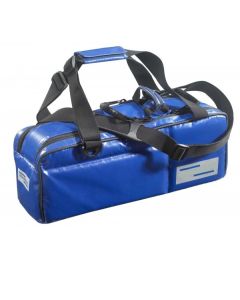
First aid bag for 2 ltr oxygen cylinder. Dimensions: W46 x D15 x H28 cm.
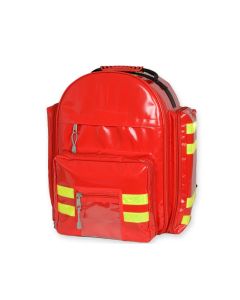
First aid backpack in 600D polyester and water-repellent PVC, 40x25x47 cm. Modular system with 6 colored pouches for critical emergency interventions.
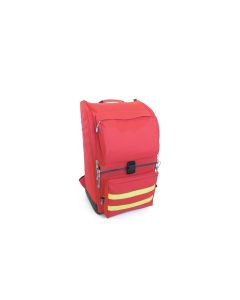
First aid backpack in polyester, 40x30x57 cm. Modular structure with 8 colored internal pouches for quick organization of medical supplies.
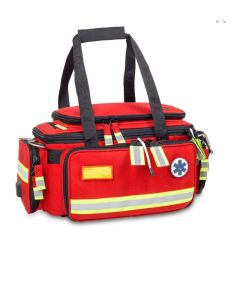
Emergency bag. Basic life support. Without content.
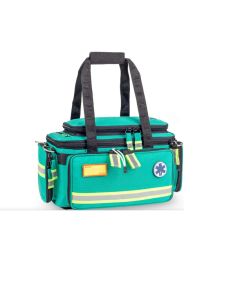
Emergency bag with external pockets.
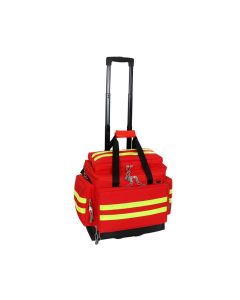
Professional emergency bag with integrated trolley, 56x32.5x49 cm. Adjustable modular compartments and waterproof bottom for maximum mobility in rescue operations.
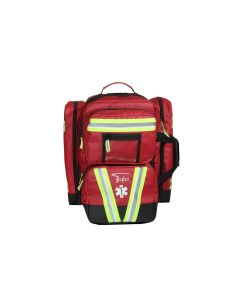
Professional water-repellent emergency backpack, 34.5L, 44x34x56 cm. Includes 8 transparent modules, velcro system and reflectors for maximum visibility.
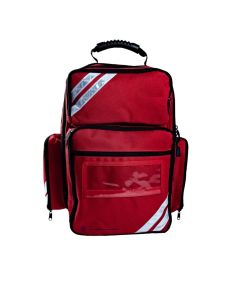
Professional backpack for out-of-hospital first aid in technical fabric, 27x21x45 cm. Modular organization with transparent labels.
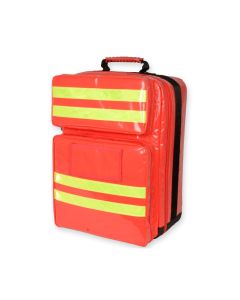
First aid backpack in 600D polyester and PVC (38x24x50 cm). Modular organization with transparent pockets and reinforced bottom for professional rescue.
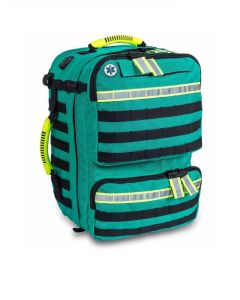
Professional 32.7 liter rescue backpack in 1000D polyester. Full opening, MOLLE system and internal divider for emergency interventions.
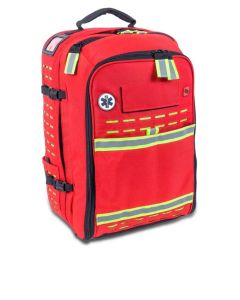
Backpack for first aid operations. Material: waterproof polyester. Dimensions: W28 x D32 x H52 cm.
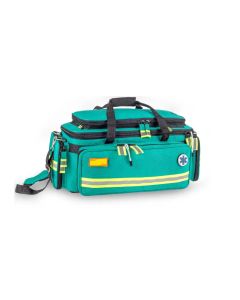
Life-saving first aid bag. Dimensions: 35x61x29.5 cm
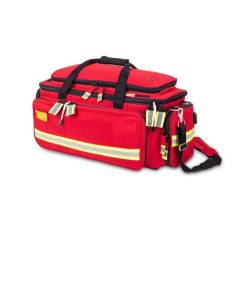
Emergency bag with removable compartments. Red color
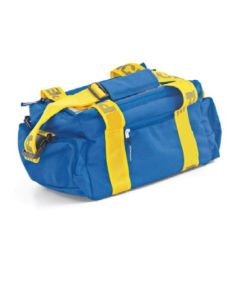
First aid bag with internal compartments and adjustable shoulder strap. Dimensions: W43 x D27.5 x H20 ± 3 cm.
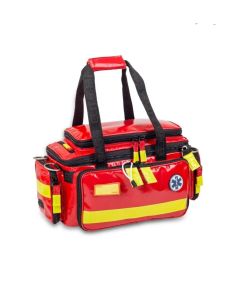
BLS (Basic Life Support) emergency bag. Waterproof material. Dimensions: W. 47 x D. 22 x h. 28 cm.
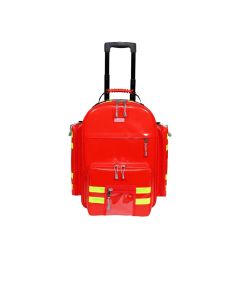
First aid backpack with internal pouches. Dimensions: W.49 x D.31 x H.57 cm. Complete with trolley.
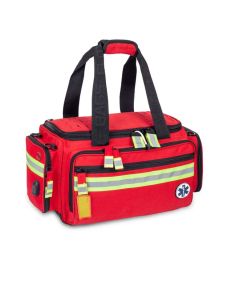
First aid bag for transporting medical equipment. Material: polyester. Dimensions: L50 x D29 x H24 cm.
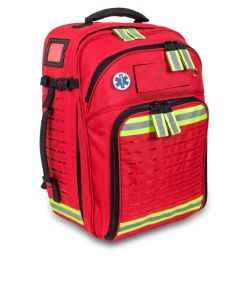
Super spacious first aid backpack. Material: polyester. Capacity: 46.5 lt.
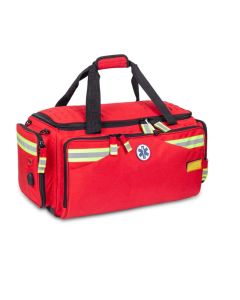
First aid bag for out-of-hospital emergency. Material: polyester. Dimensions: W61 x D35 x H29.5 cm.
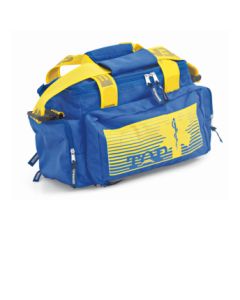
Compact and spacious first aid bag. Dimensions: W45 x D18 x H22.5 ± 3 cm.
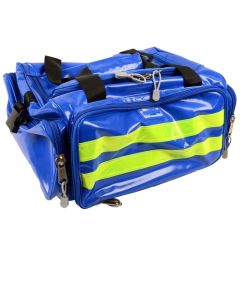
First aid emergency backpack Dimensions: W.45xD.35xH.21 cm.
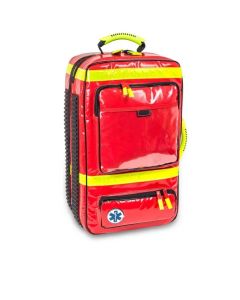
Respiratory emergency backpack made of waterproof material. Dimensions: W. 30 x D. 56.5 x H. 23.5 cm.
Professional 40L rescue bag in waterproof tarpaulin. Dimensions 52x33x32 cm. Transport system convertible into a backpack for maximum mobility.
Professional emergency bag H708_38 in heavy-duty tarpaulin, 40 liters, modular and convertible into a backpack for rapid medical interventions.
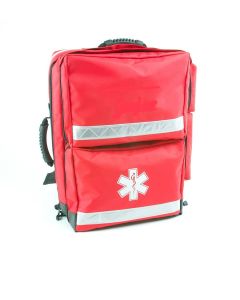
Spacious first aid backpack with removable internal compartments. Dimensions: W50 x D21 x H54 cm. Color: red with ice white reflective strips.
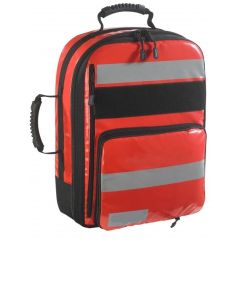
Backpack for emergency and first aid operations. Material: PVC. Dimensions: W38 x D28 x H52 cm.
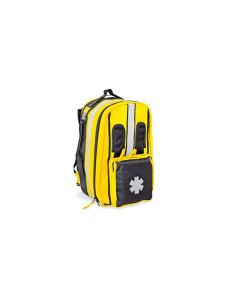
First aid backpack equipped with two handles and internal divider. Dimensions: 360 x 520 x 300 ± 10 mm. Capacity: 30 kg.
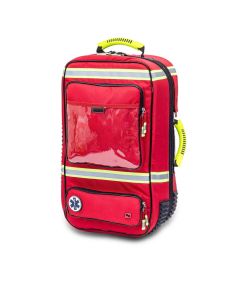
Emergency bag for first aid with trolley structure with wheels. Dimensions: 23.5x30x56.5 cm.
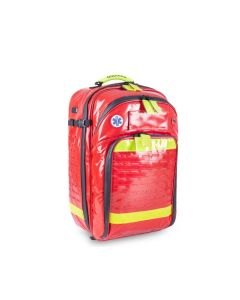
XL first aid backpack in 46.5 L waterproof tarpaulin. Modular organization with color coding, MOLLE system, and compartments for AED and oxygen.
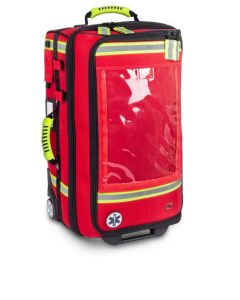
First aid trolley bag. With compartment for manual resuscitator. Dimensions: W31 x D35 x H61 cm.
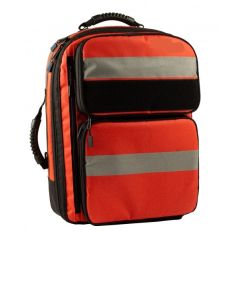
Professional rescue backpack. Dimensions: W38 x D28 x H52 cm.
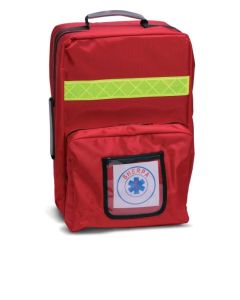
Pack of 2 pieces
€499.20 VAT incl.Professional first aid backpack, in high-resistance nylon, waterproof with reflective strip.
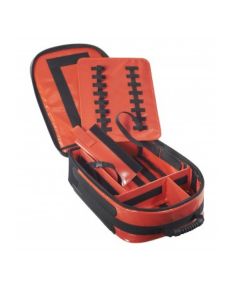
Professional emergency backpack in technical fabric, dimensions 52x40x28 cm, with large compartmented front pocket and reinforced handle.
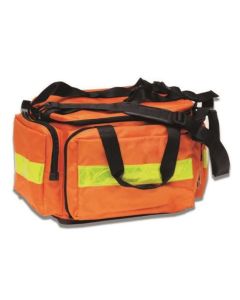
Pack of 2 pieces
€514.80 VAT incl.Emergency first aid bag in nylon with reflective bands. Dimensions: W.470xD.330xH.280 mm.
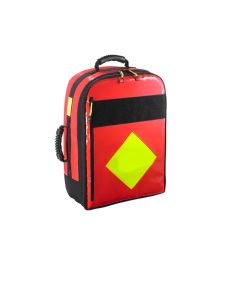
Emergency and rescue backpack. Material: 600D tear-proof fabric. With 5 internal pouches.
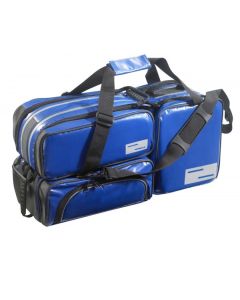
First aid bag with compartment for 2 l oxygen cylinder. Dimensions: W51 x D25 x H19 cm.
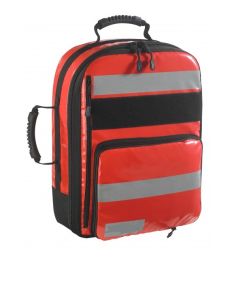
Firefighter backpack complete with internal content. Dimensions: W37 x D25 x H52 cm.
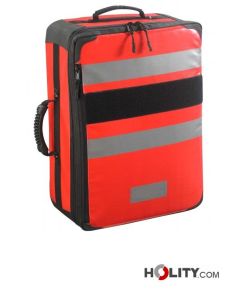
Emergency backpack for professional use. Available in red or blue. Dimensions: W36.5 x D20.5 x H52 cm.
First aid backpack in durable Cordura. Dimensions: 420 x 300 x h600 mm. Capacity: 45 L.
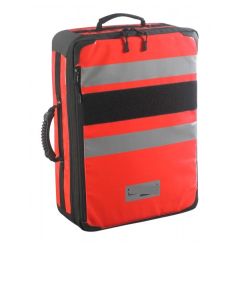
Rescue backpack. Dimensions: W.365xD.175xh.520 mm
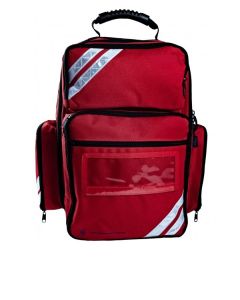
Emergency backpack for healthcare personnel. Dimensions: W27 x D18 x H45 cm.
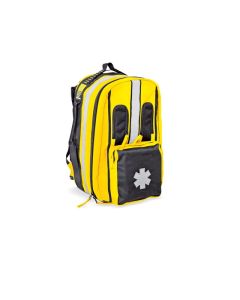
Professional first aid backpack. Dimensions: W36 x D30 x H55 cm. With reflective strips.
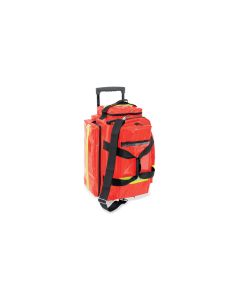
First aid trolley backpack in Cordura with bags. Capacity: 48 L. Dimensions: 620 x 350 x H.410 mm ± 10 mm
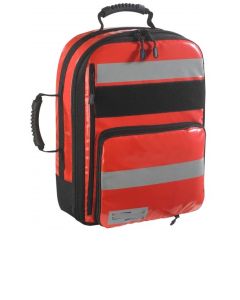
Compact emergency backpack. Dimensions: 380x280x520 mm
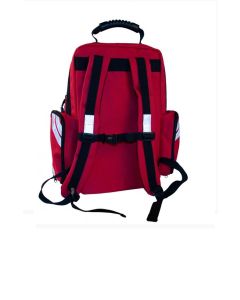
Rescue backpack. 4 external pockets. 27x18x45 cm
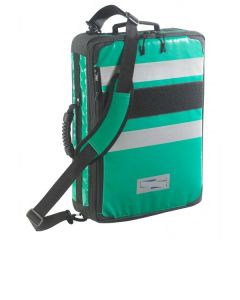
Bag for surgical instruments. Dimensions: 380x120x520 mm
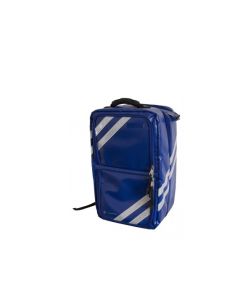
Backpack for managing airway emergencies. W.260xD.350xH.520 mm
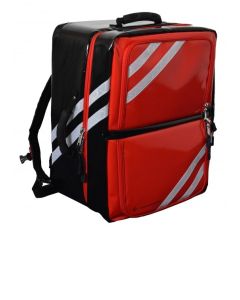
First aid backpack. Color: red and black. Dimensions: W43 x D30 x H53 cm.
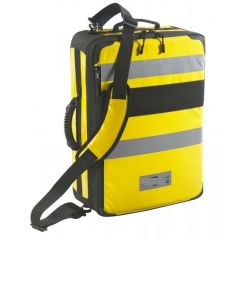
Pediatric first aid bag. Dimensions: 380x150x520 mm
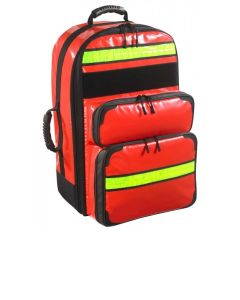
Emergency backpack with removable internal compartments. Dimensions: W38 x D20 x H64 cm.
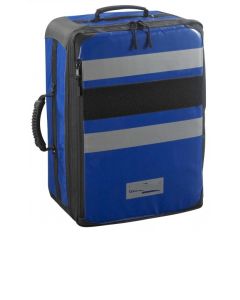
Emergency first response backpack. Dimensions: 365x235x520 mm
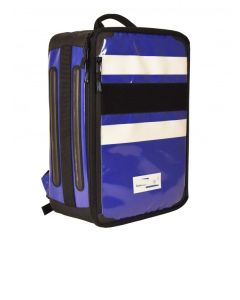
Professional first response backpack in resistant material, dimensions 365x235x520 mm, 25 kg capacity and protective anti-wear rails.
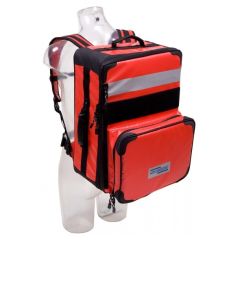
First aid backpack for transporting instruments and medicines. Dimensions: W36.5 x D23.5 x H52 cm.
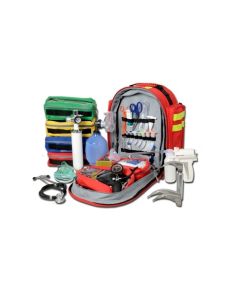
First aid backpack in red polyester. With contents. Dimensions: W.400 x 250 x h.47 cm
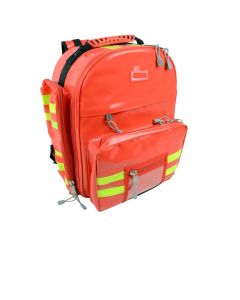
First aid emergency backpack in polyester with reflective inserts. With contents.
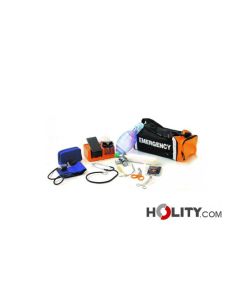
Emergency first aid bag equipped with medical supplies. Dimensions: 490 x 230 x 220 mm. Material: Nylon.
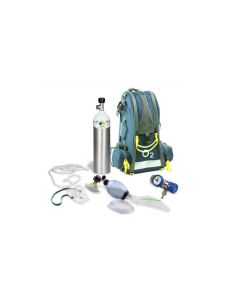
Professional emergency backpack with complete oxygen therapy kit. Includes 2L cylinder, waterproof base and reflective strips. 35x23x55 cm.
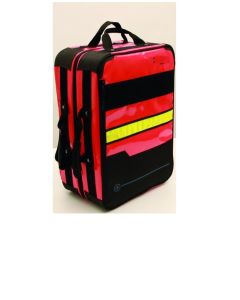
Emergency intervention backpack with edge protection.
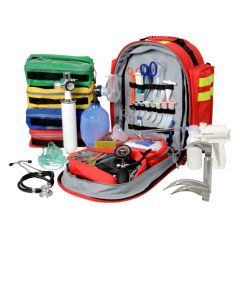
Emergency backpack for first aid, complete with medical product kit.
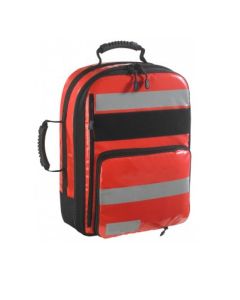
Professional emergency backpack in disinfectable material, 52x40x28 cm, with expandable compartment for oxygen cylinder and integrated reflective bands.
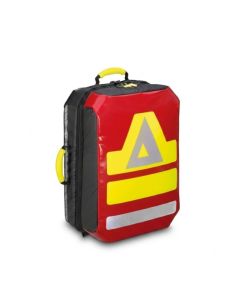
Air rescue emergency backpack h687_100 XL (40x52x24 cm) in high-visibility red. Smooth rectangular design, without velcro/magnets, 49.92 L.
First aid bags and backpacks represent an indispensable tool in the healthcare, emergency, and corporate prevention context. These specialized containers allow for the organization, protection, and easy transport of the medical material necessary for first aid interventions, both in hospital settings and in territorial emergency situations. The choice of an appropriate transport system directly affects the operational efficiency of medical and paramedic personnel, ensuring that every device, drug, or medical aid is immediately accessible at the critical moment.
The available solutions vary considerably in terms of volumetric capacity, construction materials, internal configuration, and specialization of use, allowing them to adapt to different operational contexts: from territorial rescue teams to sports facilities, from ambulance transport to field intervention. An organized storage system reduces material search times, minimizes the risk of damage to supplies, and optimizes available space.
An organized transport system for first aid material offers significant operational benefits in any emergency context. The internal compartmentalization allows for the classification of medical aids by type of intervention: syringes, cannulas, dressings, drugs, personal protective equipment, and specialized equipment find dedicated spaces, drastically reducing search times during critical situations where every second counts. The materials used—water-repellent polyester, resistant nylon, TPU—protect the contents from atmospheric agents and mechanical damage, preserving the sterile integrity of the medical supplies.
The practicality of transport represents a concrete advantage for healthcare professionals, rescuers, and emergency personnel who need mobility during operations. Bags with adjustable shoulder straps, ergonomic backpacks with padded straps, and trolleys with wheels distribute weight in a balanced way, preventing muscle fatigue during prolonged shifts. Lightweight yet robust solutions maintain total accessibility to the content: protected zippers, side pockets, ergonomic handles, and high-visibility reflective strips facilitate recognition even in low-light conditions, a critical element in nighttime operations or in crowded environments.
The range of first aid bags and backpacks is divided into several categories, each designed to solve specific operational needs. Standard aid bags represent the most versatile solution: volume between 10 and 20 liters, modular internal compartments, ideal for first intervention in ambulances or sports facilities. Bags with zippered side pockets offer quick access to the most frequently used materials, while removable dividers allow for the reconfiguration of spaces according to operational needs. Specialized isothermal bags keep vials at a controlled temperature, essential for thermolabile drugs or blood products.
Rescue backpacks, with volumes reaching 20-30 liters, guarantee superior capacity while maintaining the ergonomics of shoulder transport, particularly suitable for personnel who move frequently on foot—alpine rescue teams, operators in congested urban environments, civil protection personnel. Specialized cylindrical bags, developed for oxygen and cylinders, feature a shape optimized for transporting heavy and bulky equipment. Folding bags with wheels solve the portability problem for fixed structures—hospitals, clinics, sports centers—where transport is carried out over short distances with significant loads. Compact waist bags and pouches integrate the main system, providing solutions for accessories and rapid consumption material.
The selection of a first aid bag or backpack requires the analysis of critical variables related to the actual operational context. The internal volume represents the first decision parameter: a territorial rescue team with an ambulance will need a high volume (40-55 liters), while a healthcare professional in a sports facility will lean towards compact solutions (12-18 liters) capable of containing essential supplies without burdening mobility. The frequency of movement influences the choice between wearable solutions (backpacks, shoulder bags) and transportable ones (bags with wheels): static personnel or those with scheduled movements prefer light trolleys, while operators in constant movement opt for ergonomic distributions.
Construction materials should be selected based on the operational environment: environments with a high risk of humidity or liquid contamination require waterproof PVC coatings, while water-repellent polyester is sufficient for protected interiors. Internal configuration is critical—bags with fixed dividers limit flexibility but guarantee constant order, while removable modules offer adaptability to variable protocols. Common errors include underestimating the space actually needed (leading to disorder and waste of time), choosing materials that are too light for prolonged loads, and ignoring the specific storage requirements for particular drugs or heat-sensitive supplies. Evaluating the actual work team—number of operators, frequency of use, prevailing types of intervention—guides towards a sustainable solution over time.
First aid material is subject to transport, storage, and accessibility regulations that indirectly affect the choice of bags and backpacks. The Italian regulation DM 15 July 2003 defines the minimum contents of first aid supplies according to the operational context—companies, public places, open spaces—and implicitly regulates the space necessary to contain such supplies in compliance. Bags must guarantee immediate access to emergency material without the need for complex openings, an element that leans towards solutions with double zippers and dedicated pockets.
The storage of drugs and medical supplies imposes temperature and humidity requirements that some specialized bags (isothermal, ventilated) must maintain in compliance. The visibility of the content is indirectly regulated by traceability standards—some operators adopt bags with transparent pockets or high-visibility labels to speed up identification. Safety standards require that transport systems do not introduce additional risk factors: robust zippers that do not fail suddenly, reflective tracks for identification in low-light environments, absence of sharp edges or materials that could injure the operator during movement or transport. Certification of materials (REACH compliance, absence of toxic substances in contact with sterile supplies) is implicit in certified suppliers, but remains a critical evaluation element for structures with strict safety protocols.
Explore the complete catalog of first aid bags and backpacks available: compare technical specifications, construction materials, and internal configurations to identify the most suitable solution for your operational needs. Each product is selected according to rigorous quality standards and tested in real professional contexts.
The bag is used when transport takes place in an ambulance or over short distances, using a shoulder strap or handles. The backpack distributes the weight on the shoulders, ideal for operators who move on foot frequently. Volumetric bags (40+ liters) are suitable for fixed structures, while backpacks (15-25 liters) are for continuous mobility.
No. Isothermal bags maintain controlled temperatures (2-8°C) for thermolabile drugs—blood products, some antibiotics. Drugs that tolerate room temperature do not need thermal insulation. Always check the storage specifications of the active ingredient before choosing the container.
Territorial ambulances require a minimum of 35-55 liters, divisible between a main bag and specialized containers (oxygen cylinder, specific supplies). Hospital structures with internal movements can suffice with 18-25 liters. Evaluate the actual number of supplies to be contained, not just the theoretical volume.
No. Water-repellent (coated polyester) repels water but does not block it if submerged. Waterproof (PVC) completely isolates from liquids. Humid environments—swimming pools, gyms with showers—require waterproof PVC. Ambulances with controlled internal climate can suffice with water-repellent.
Divide by frequency of use: first layer (front pockets) for the most used supplies—gauze, disinfectants. Second layer (central compartments) for common drugs—analgesics, anti-inflammatories. Side compartments for PPE. Specialties or rare drugs in the innermost layer. Use colored labels for visual category.
Professional backpacks withstand 15-20 kg when distributed correctly. Beyond 20 kg, padded straps can compress cervical nerves during prolonged shifts. For higher loads, use bags with wheels or divide the content between two operators rather than overloading a single person.
They are not mandatory by law, but highly recommended for operators working at night or in crowded environments—they increase visibility during rapid transfers in chaotic situations. Occupational safety regulations (D.Lgs 81/2008) indirectly provide for them in high-risk environments.
Yes, but with caution. Use lukewarm water and neutral soap, then air dry. Avoid washing machines and dryers which damage zippers and coatings. Waterproof PVC bags tolerate water better than polyester. Disinfect with specific sprays for medical surfaces if there has been contact with blood or biological liquids.
 English
  Italian
 French
 German
 Spanish