
mon-fri 9-13 / 14.30-18.30
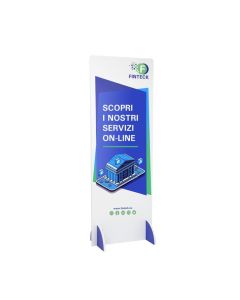
Double-sided advertising totem h738_195 in lightweight sandwich, thickness 19 mm. 60x180 cm panel with interlocking crescent bases. Customizable.
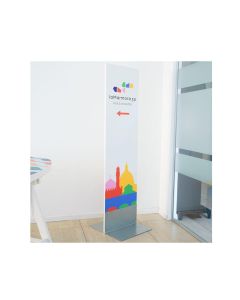
Advertising and directional totem h738_196 with double L-shaped base in silver metal and 19 mm sandwich panel. Panel dimensions: 42 x 180 cm. Indoor use.
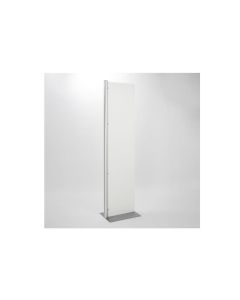
Single-sided or double-sided totem h191 cm in aluminum and semi-expanded PVC, with silver metal base and oval upright, ideal for indoor signage
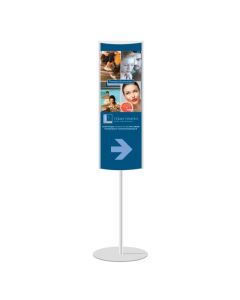
Double-sided advertising minitotem h738_203 with 30x60 cm sheet metal sign and aluminum profiles. Height 140 cm, circular silver base. Outdoor use.
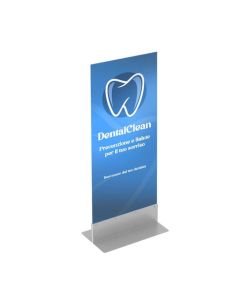
h738_197 advertising totem with double silver metal L-base and 19 mm sandwich panel. Panel dimensions: 75.5 x 180 cm. Indoor use.
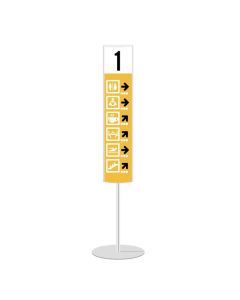
<p>Double-sided outdoor minitotem with white sheet metal panels and silver aluminum upright. Height 1408 mm, circular base Ø 350 mm.</p>
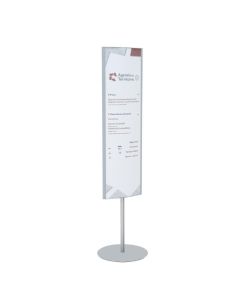
Double-sided minitotem h738_201 with aluminum profiles and convex 10/10 sheet metal panel. Height 140 cm, silver post and circular base. Outdoor use.
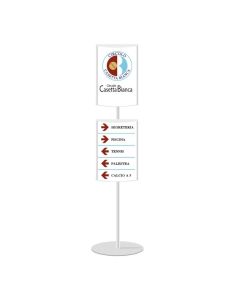
Double-sided outdoor minitotem h738_208 with double A3 white sheet metal sign and silver aluminum post. Height 1408 mm, base Ø 350 mm.
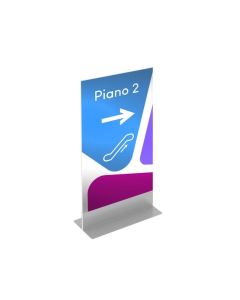
Indoor advertising totem h738_198 with double silver metal L-base and 19 mm sandwich panel. Extra-large format 100 x 180 cm. Indoor use.
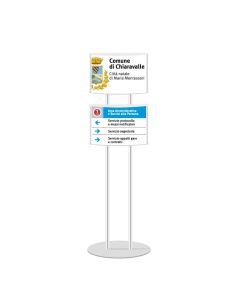
Double-sided outdoor totem in aluminum and sheet metal with double silver post, height 1400 mm and circular base. Ideal for outdoor signage.
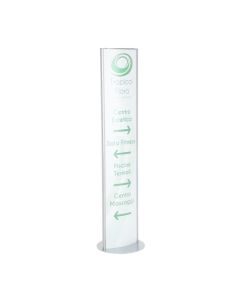
Double-sided outdoor minitotem h738_200 with aluminum profiles and convex surfaces in 10/10 sheet metal. Height 140 cm, floor mounting with silver base.
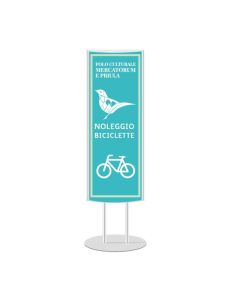
Outdoor double-sided totem in aluminum and sheet metal with double silver upright, height 1400 mm and convex sign 420x1000 mm. Ideal for outdoor use.
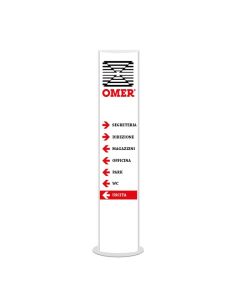
Outdoor double-sided minitotem h738_202 with aluminum profiles and 10/10 sheet metal convex panels. Height 140 cm, silver metal base and pre-drilled for ground fixing.
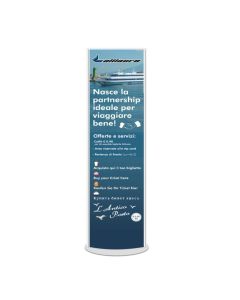
Double-sided outdoor totem h738_204 in aluminum and white sheet metal. Height 1400 mm, silver Ø 450 mm base. Convex design, optional UV printing sold separately.
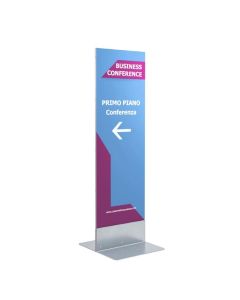
Outdoor advertising totem h738_199 with double L-shaped base in silver metal and 19 mm Forex panel. Panel dimensions: 75.5 x 200 cm. Durable and self-standing.
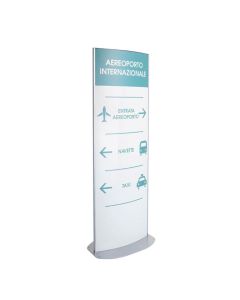
Outdoor advertising totem h738_205 with a curved line, height 2000 mm. Aluminium structure with metal skeleton and white sheet metal surfaces. Static certification included.
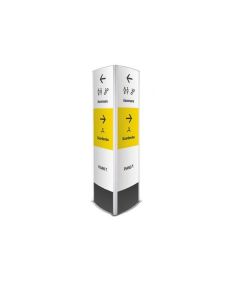
Three-sided advertising totem h738_206 for interiors, height 2000 mm. Silver anodized aluminum structure with three white sheet metal display surfaces.
Today, advertising totems represent one of the most effective and versatile visual communication tools for companies, public bodies, and commercial activities that require high-impact vertical signage. These devices are not simple supports for promotional messages, but true functional furnishing elements capable of guiding people’s flow and consolidating a brand’s identity in high-traffic contexts.
Their self-supporting structure allows for strategic positioning in both indoor environments and open spaces, ensuring 360-degree visibility that traditional billposting systems can hardly match. Choosing a totem means investing in a durable communication system, designed to resist mechanical stress and atmospheric agents, maintaining the quality of the displayed message over time through industrial-grade technical materials.
Integrating display totems within a physical communication strategy responds to the need to capture the user’s attention in a non-invasive but extremely authoritative way. Unlike wall panels, the totem occupies three-dimensional space, becoming a visual reference point that facilitates the consumption of information in large areas such as shopping malls, stations, or city squares.
From a technical point of view, the use of extruded aluminum profiles and composite paneling guarantees structural stability that minimizes the risk of tipping and ensures a long operating life even under intensive use conditions. These supports also allow for dynamic content management: many models are designed to allow for rapid graphics replacement, making the investment amortizable over various communication campaigns throughout the years.
In addition to the purely aesthetic function, totems play a crucial role in wayfinding strategy, which is the ability to guide the user towards a specific destination within complex architectural layouts. A correctly positioned totem reduces the visitor’s sense of disorientation and improves the user experience of public or private space.
The robustness of the materials used, often treated with epoxy powder coatings or anti-UV treatments, prevents chromatic and structural degradation resulting from prolonged exposure to sunlight or humidity. In a corporate environment, the presence of a totem at the entrance of a production site or a representative office immediately communicates a sense of solidity and attention to detail, fundamental elements for the perception of the quality of the service offered.
The main classification of advertising totems is based on the destination environment, clearly distinguishing between indoor solutions and outdoor models. Indoor totems are characterized by slimmer lines and a refined design, often made of materials such as plexiglass or anodized aluminum, ideal for showrooms, trade fairs, and office entrances where aesthetics must match the proximity of the public.
These models focus on ease of movement and print clarity, often offering single-sided or double-sided configurations to maximize visual coverage in corridors or open spaces. The construction technology includes quick-fit joints and stabilizing bases that do not obstruct passage, while still guaranteeing the necessary safety in crowded places.
Outdoor totems, on the other hand, require radically different technical specifications, focused on structural resistance and component protection. These structures are usually equipped with weighted bases or designed for ground fixing via mechanical plugs or anchor bolts embedded in concrete.
The use of galvanized steel or thick aluminum is essential to counteract wind thrust and prevent galvanic corrosion. Many outdoor variants include IP65 LED internal lighting systems, which guarantee the visibility of the message even during night hours, and compact polycarbonate protection screens to preserve the graphics from vandalism or debris carried by bad weather, ensuring optimal readability in all climatic conditions.
Identifying the ideal advertising totem requires a prior analysis of the operating context and the communication objectives intended to be achieved in the medium and long term. The first critical factor is the wind load assessment for outdoor models: it is essential to verify that the structure and the anchoring system are proportionate to the average gusts in the installation area to avoid dangerous structural failures.
In indoor contexts, however, the choice must fall on models that comply with fire safety regulations and that have rounded corners or protections to prevent accidental injuries in the event of a collision by passers-by. It is also necessary to consider the average viewing distance: a totem that is too small in a square would be insignificant, while an excessively imposing one in a small office would saturate the visual space unpleasantly.
A common mistake to avoid is underestimating the maintenance and the method of updating the graphic content. Choosing a model with a snap-opening system or with magnetic panels greatly facilitates the work of internal staff, eliminating the need for external technical interventions every time a promotion needs to be changed.
It is equally important to verify the quality of the electrical components in the illuminated models: high-quality transformers and certified LED modules not only reduce energy consumption but also prevent overheating that could damage the graphic film or the front panels. A wise choice must always balance aesthetic impact with operational functionality, favoring suppliers that guarantee the availability of spare parts over time.
The installation of advertising totems is subject to specific regulations that vary significantly depending on whether the ground is public or private. For outdoor totems on public ground, it is mandatory to refer to the Highway Code and Municipal Regulations on Urban Furnishing, which define minimum distances from roadways and maximum dimensions allowed so as not to obstruct road visibility.
The CE compliance of the structure is an essential requirement, certifying that the product has been designed following European safety standards regarding mechanical stability and, where present, the safety of integrated electrical systems for lighting.
In indoor environments, especially in places open to the public such as hospitals, schools, or shopping centers, totems must meet fire safety requirements, often requiring materials with class 1 or higher fire reaction certification.
It is also fundamental that the base of the totem is designed not to constitute a tripping hazard, respecting the guidelines on the removal of architectural barriers. Electrical safety aspects are governed by CEI standards, which impose specific protection ratings (IP) for components exposed to humidity or dust, ensuring that public interaction with the totem always takes place in the total absence of risks of electrocution or short circuits.
Explore all the products in the category and compare the available solutions to find the one best suited to your operational context.
Indoor totems are designed for aesthetics and lightness, often using materials like thin aluminum or plexiglass. Outdoor totems instead feature reinforced galvanized steel structures, weighted or ground-anchored bases, and high IP protection ratings to withstand rain and strong winds.
Installation on public land or visible from the road requires municipal authorization and payment of the advertising tax. It is necessary to consult your municipality’s General Plan for Public Installations to check permitted dimensions, minimum distances from road signs, and compliance with current local regulations.
Stability is ensured through oversized bases that can be filled with concrete ballast or permanently fixed using mechanical anchor bolts. For critical areas, totems undergo structural calculations certifying resistance to wind gusts exceeding one hundred kilometers per hour without undergoing deformation.
Yes, most of our advertising totems are equipped with snap profiles or magnetic panels that allow for the replacement of the graphic message in a few minutes without special tools. This system allows companies to update their promotions frequently, drastically reducing external maintenance costs.
LED lighting offers constant visibility even during night hours, increasing the effectiveness of the message. From a technical point of view, LEDs guarantee an energy consumption reduction of eighty percent compared to traditional lamps and an operational life of over fifty thousand hours, reducing replacement interventions.
We mainly use anodized aluminum, hot-dip galvanized steel, and composite material or polycarbonate panels. These materials are chosen for their high resistance to corrosion, ultraviolet rays, and accidental impacts, ensuring that the structure does not yellow or deteriorate even after years of outdoor exposure.
Large totems are shipped with reinforced packaging and often partially assembled to facilitate transport. Final assembly usually requires the intervention of qualified personnel for ground fixing and electrical connection, following the technical instructions provided to ensure maximum structural safety.
 English
  Italian
 French
 German
 Spanish