
mon-fri 9-13 / 14.30-18.30

Protective grate for trees and plants with a geometric design. External dimensions: 800 x 800 mm. Internal dimensions: 400 x 400 mm.

Circular grid to protect the roots of plants and trees. Material: cast iron. Net opening: Ø 400 mm.

Tree grate for public spaces. Dimensions: 80 x 80 cm. Hole diameter: 40 cm.

Circular tree and plant covering grate. Clear opening: Ø 300 mm. External dimensions: Ø 600 mm.

Cast iron tree guard for urban furniture. Composed of two elements. Central hole with an inner diameter of 450 mm. Dimensions: 1000x1000x26.5 mm.

Horizontal tree guard for urban furniture. Composed of 2 pieces to be assembled. Dimensions: 60 x 60 cm.

Cast iron tree cover with a circular shape. Consisting of 4 elements to be assembled. Dimensions: 100 x 100 cm.
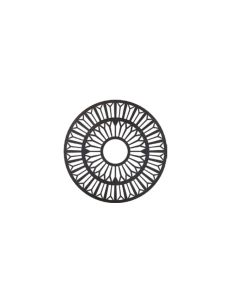
Round grate Ø 80 cm in cast iron with frame included and central hole Ø 20 cm. Ideal for urban furniture. Dimensions: Ø 80 cm.
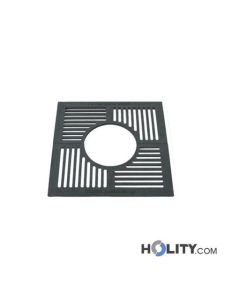
Tree guard for avenues and municipal gardens made of treated and painted cast iron. Dimensions: 80x80 cm. Composed of two pieces.

Circular tree protection grate. Material: cast iron. Dimensions: 100 x 100 cm. Composed of 4 pieces.
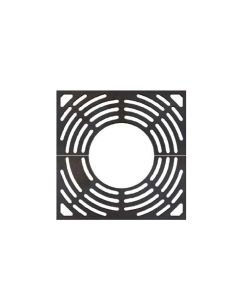
Cast iron grate with frame included, Ø 20 cm center hole for tree protection. Dimensions: 60 x 60 cm.
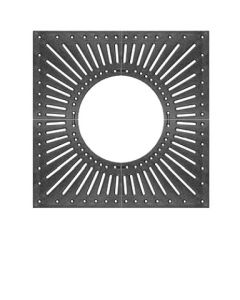
Square horizontal tree protection grate. Dimensions: 80 x 80 cm. Hole dimensions: Ø40 cm. Material: cast iron.
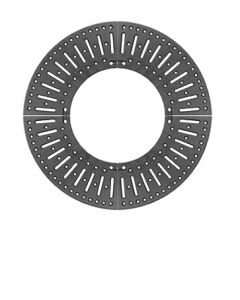
Circular tree guard grate for urban furniture. Dimensions: Ø100 cm; hole dimensions: 70 cm. Material: cast iron.

Square tree grate consisting of 4 pieces to be combined. Dimensions: 100 x 100 cm.
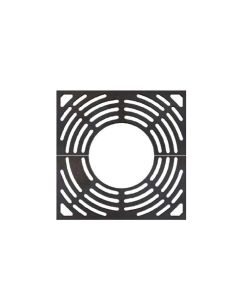
Grate with frame for public spaces, internal hole Ø 40 cm for tree protection. Dimensions: 80 x 80 cm.
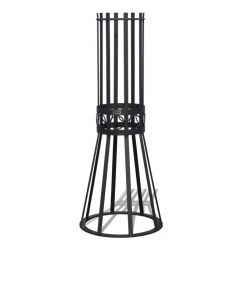
Vertical tree protection made of metal. Dimensions 150x50x50 cm (hxwxd). Italian product. Color: gunmetal grey.
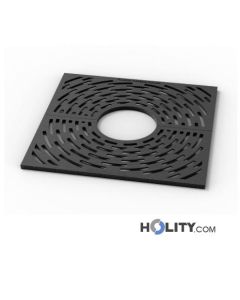
Tree guard grille ideal for public gardens. Dimensions: L99 x W99 x H2.6 cm. 350 mm diameter hole. Composed of 2 elements.
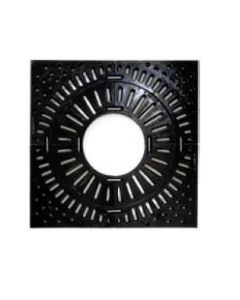
Tree protection made of G20 cast iron consisting of 4 elements. Dimensions: 80x80 cm. Weight: approx. 58 Kg. 100% Italian product.
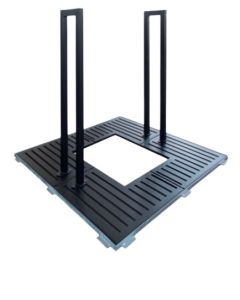
Vertical tree guard for tree protection. Dimensions: L. 290 x h. 1400 mm.
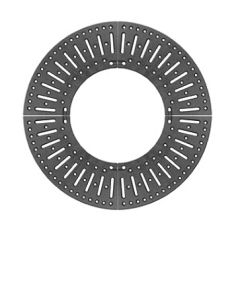
Circular cast iron tree grate. Dimensions: Ø100 cm, hole Ø50 cm. Consisting of 4 pieces.
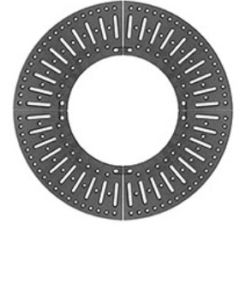
Tree grate for urban furniture. Dimensions: 100 x 100 cm. Internal hole diameter: 50 cm. Material: cast iron.
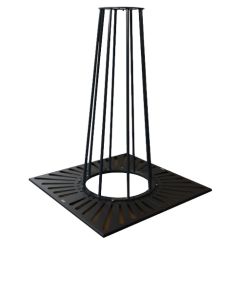
Vertical tree guard in galvanized and painted steel, to be bolted. Ø 590/380 mm. Height: 1500 mm.
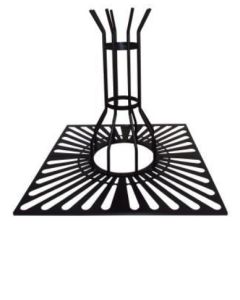
Vertical tree guard for bolting, to the ground or to a grate (excluded). Dimensions: Ø 670/300/566 x h.1395 mm.

Cast iron tree grate, circular in shape, ideal for public parks, streets, sidewalks and green areas. External dimensions: Ø 1200 mm. Weight: 65 kg.
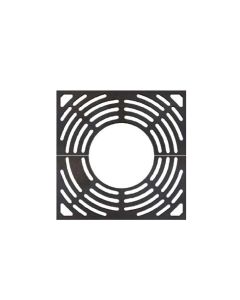
Tree grate with 100x100 cm frame and internal hole Ø 50 cm. Complete with support frame.
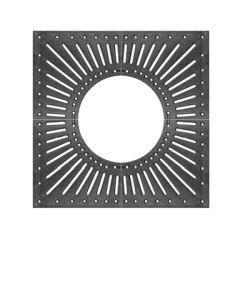
Tree grate for urban furniture. Shape: square. Dimensions: 120 x 120 cm; hole Ø100 cm. Material: cast iron.

Circular cast iron tree grate. Consisting of 4 elements to be assembled. Dimensions: 150 x 150 cm.
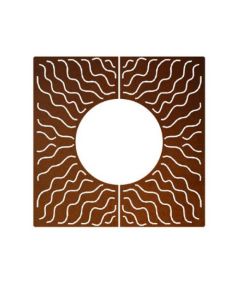
Corten steel tree guard. External dimensions: W. 100 x D. 100 cm. Diameter: 50 cm.
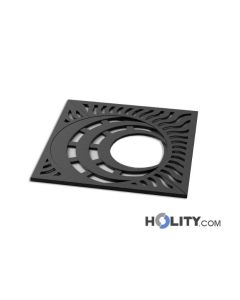
Versatile tree grate for various plant types and positions. Hole in three sizes: R 200, R 300, R 375 mm. Dimensions: 1000x1000xh27 mm.
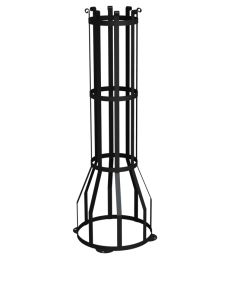
Vertical tree guard made of metal. Dimensions 150x50x50 cm (hxwxd). Italian product. Color: Gunmetal grey.
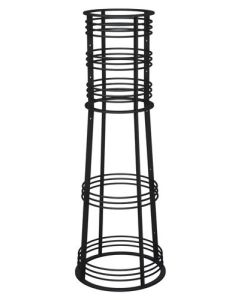
Vertical tree protection made of metal. Base hole diameter: 52 cm. Italian product. Color: gunmetal.
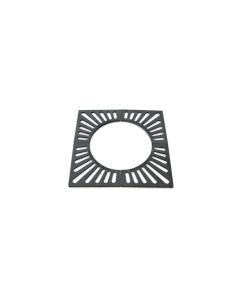
Tree grille made of iron and cast iron. Central hole diameter: Ø 780 mm. Dimensions: W. 1192 x D. 1192 x H. 20 mm.
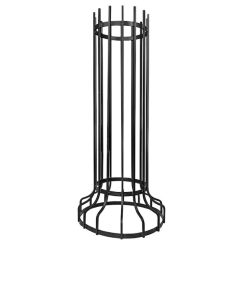
Vertical tree guard h950_16 in powder-coated steel, ideal for safeguarding and decorating urban green areas. Dimensions: D 59 x h 150 cm. Weight: 27 kg.

Square-shaped tree grille, made of cast iron. Modular pieces: 4. Internal dimensions: Ø 600 mm.
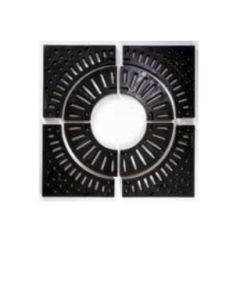
Tree protection grate. Material: cast iron. Composed of 4 elements. Dimensions: 100 x 100 cm.
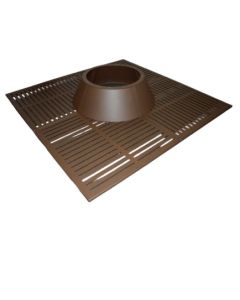
Vertical tree guard for public spaces. Dimensions: Ø internal 600 x h. 300 mm.
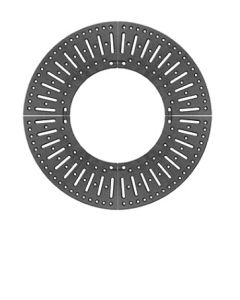
Horizontal tree protection grate. Material: cast iron. Dimensions: Ø150 cm, hole Ø100 cm.

Square tree guard in galvanized and painted steel, corten finish, with laser-cut decorative pattern. Dimensions: 990 x 990 mm.
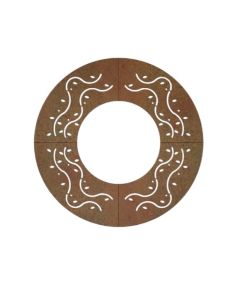
Decorative tree grate in galvanized and painted steel, with corten finish and laser cutting. External diameter: 990 mm. Divided into 4 sectors, with perimeter reinforcement plate.
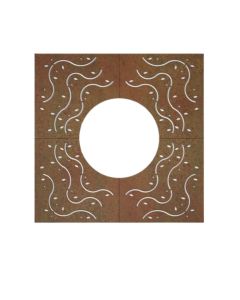
Square tree guard grate in galvanized and painted steel, with corten finish, laser-cut with decorative patterns and perimeter reinforcement plate. Dimensions: W. 990 x D. 990 x h. 44 mm.

Protective tree grate in galvanized and painted steel, with corten finish and perimeter reinforcement plate. External diameter: 990 mm.

Round tree guard in galvanized and painted steel with laser-shaped decorative motif and corten finish. External diameter: 990 mm.
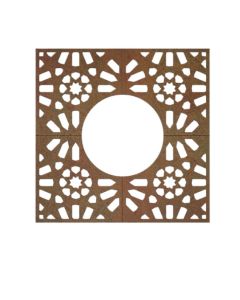
Square tree guard in galvanized and painted steel with laser-cut decorative pattern and corten finish. Dimensions: 990 x 990 x h. 44 mm.
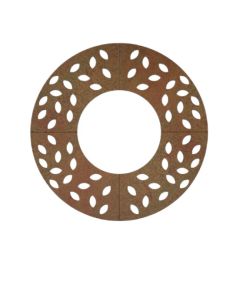
Round tree guard in galvanized and painted steel with laser-cut leaf pattern and corten finish. Outer diameter: 990 mm. 4 sectors with reinforced perimeter edge.
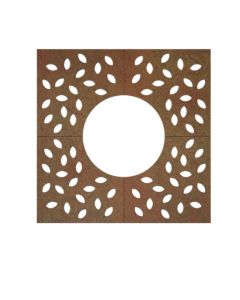
Square tree guard in galvanized and painted steel, with laser-cut leaf motif and corten finish. Dimensions: W. 990 x D. 990 x h. 44 mm. Modular structure in 4 sectors with perimeter reinforcement.
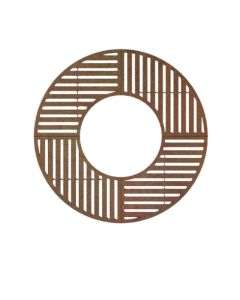
Round tree protection grate, made of galvanized and painted steel with a corten finish and striped design. External diameter: 990 mm. Structure divided into 4 sectors with perimeter reinforcement.
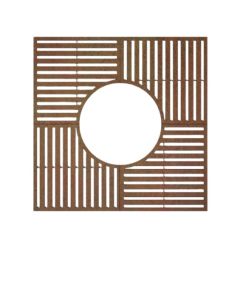
Protective tree grate in galvanized and painted steel, with stripe design and corten finish. Dimensions: W. 990 x D. 990 x h. 44 mm. Composed of 4 sectors with perimeter reinforcement plate.
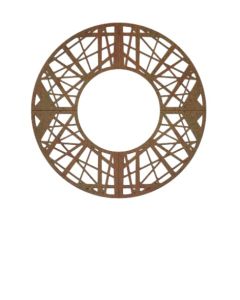
Tree protection grate in galvanized and painted steel, laser-cut, composed of 4 sectors with reinforced edge. Outer diameter: 990 mm. Corten finish.
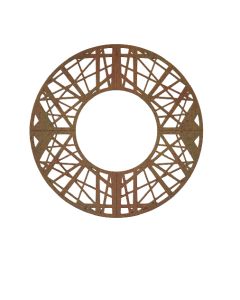
Circular tree guard Ø 99 cm in laser-cut steel, 4 mm thickness. Structure divided into 4 sectors. Steel screws for permanent locking.

Cast iron tree grate consisting of 8 elements to be assembled. Dimensions: 180 x 180 cm.

Galvanized steel tree and plant grate complete with frame. Dimensions: 1000x1000 mm . Ø inner hole: 500 mm.
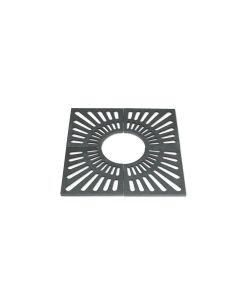
Tree grate for plants with central hole of diameter Ø 450 mm. Dimensions: W. 1200 x D. 1200 x H. 25 mm.
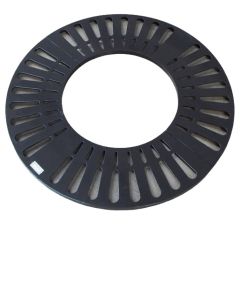
Tree grille external diameter 1000 mm. Ø internal hole: 500 mm. In galvanized steel.
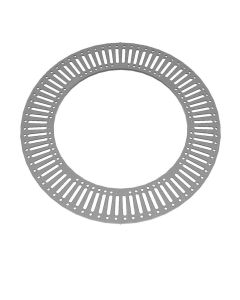
Circular cast iron tree grate. Composed of 8 pieces. External dimensions: Ø 1990 mm.
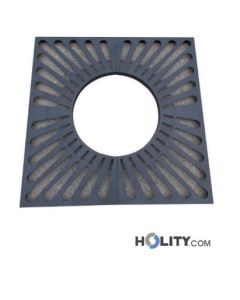
Tree guard with structure made of galvanized and painted steel complete with frame. Square shape. Dimensions: 100 x 100 cm.
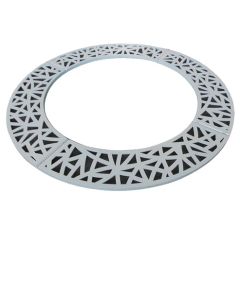
Round tree grate, for urban furniture. Ø external: 1000 mm. Ø internal: 500 mm. In galvanized steel.
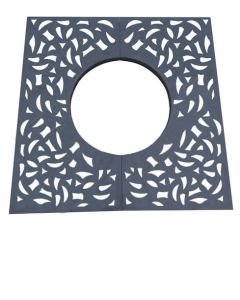
Horizontal tree guard for public spaces in galvanized steel with frame. Dim: 1000x1000 mm. Ø internal hole: 500 mm.
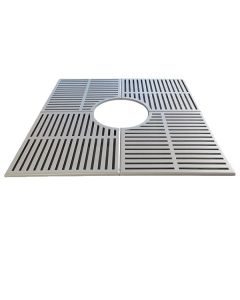
Square tree guard 1000x1000 mm complete with frame. Material: galvanized and painted steel. Ø internal hole: 500 mm.
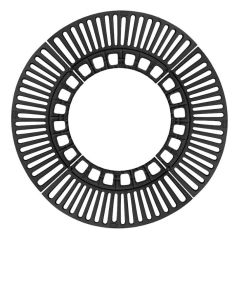
Round cast iron tree grate h950_15 with powder coating, designed to protect and enhance urban green areas. Dimensions: W 125 x D 125 x h 3 cm. Weight: 60 kg.
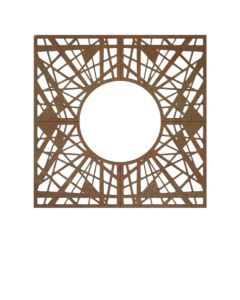
Square grate for the protection of plants and trees, in laser-shaped steel, composed of 4 sectors. Dimensions: W. 1200 x D. 1200 x h. 44 mm. Corten finish.

Galvanized steel tree guard, square. Dimensions: 1000x1000 mm. Ø internal hole: 500 mm.

Square tree grate in galvanized and painted steel complete with frame. Dimensions: W. 120 x D. 120 cm. Ø hole 60 cm.

Tree grate consisting of 12 pieces. External dimensions: 90.5 x 90.5 cm. Internal dimensions: 45 x 45 cm.
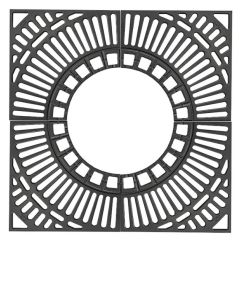
Square cast iron tree guard h950_14, powder-coated to resist atmospheric agents. Dimensions: W 125 x D 125 x h 3 cm. Weight: 76 kg.

Horizontal tree guard with decorations, in galvanized steel. Dim: 1200x1200 mm. Ø internal hole: 600 mm.
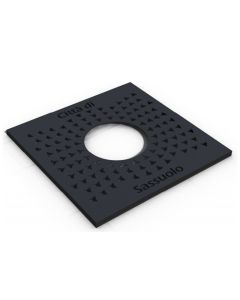
Galvanized steel tree grate with triangular notches. Composed of two halves to be assembled. Dimensions: W.100 x D.100 x H.3 cm. Weight: 45 Kg.
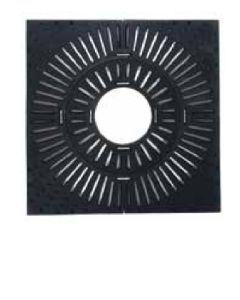
Cast iron tree grate. Dimensions: 120 x 120 cm. Composed of 4 elements.
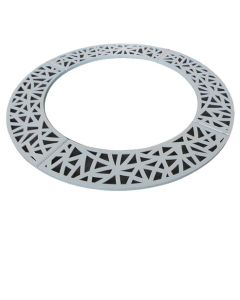
Round tree grate in galvanized steel. Ø external: 1200 mm. Ø internal: 600 mm.
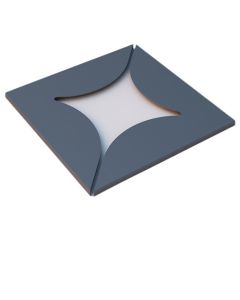
Square tree grate for urban furniture. Dimensions: W. 100 x D. 100 x h. 3 cm.

Horizontal tree guard in galvanized steel with frame. Shape: square. Dim.: 1200x1200 mm. Ø internal hole: 600 mm.
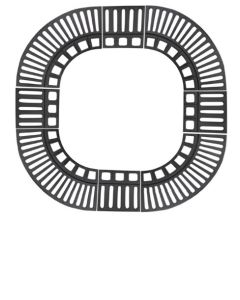
Cast iron tree grate h950_20, powder-coated for durable protection. Dimensions: W 155 x D 155 x H 3 cm. Weight: 92 kg.
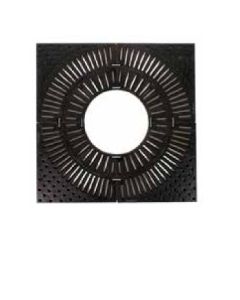
Tree grate for urban furniture. Composed of 4 elements. Dimensions: 150 x 150 cm.
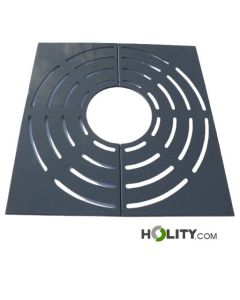
Galvanized steel tree grill with Ø internal hole 700 mm complete with frame. Dimensions: 1500x1500 mm.
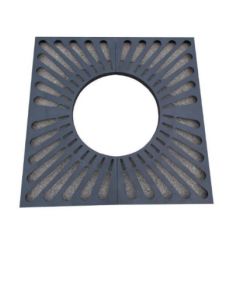
Horizontal grille for tree and plant protection complete with frame. Material: steel. Dimensions: 150 x 150 cm.
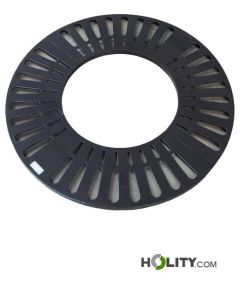
Galvanized steel tree guard, circular. Outer Ø: 1500 mm. Inner hole Ø: 700 mm.
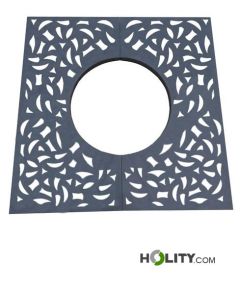
Horizontal tree grate with decorations, in galvanized steel. Dim: 1500x1500 mm. Ø internal hole: 700 mm.

Square tree grate in galvanized steel complete with frame. Dimensions: 1500x1500 mm. Internal hole Ø: 700 mm.
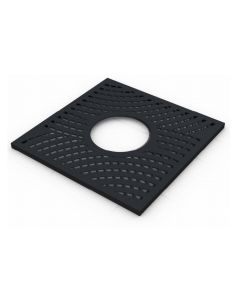
Galvanized steel tree grate with rectangular cutouts. Composed of two halves to be assembled. Dimensions: W.100 x D. 100 x H. 3 cm. Weight: 41 Kg.
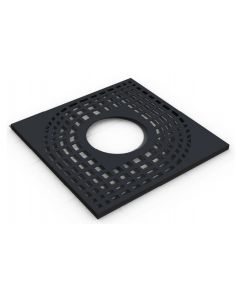
Plant-saving tree grate made of galvanized steel with brackets for ground fixing. Composed of two halves to be assembled. Dimensions: W.100 x D.100 x H.3 cm. Weight: 40 Kg.

Galvanized steel tree grate complete with frame. Dim.: 1500x1500 mm.Ø inner hole: 700 mm. Square.
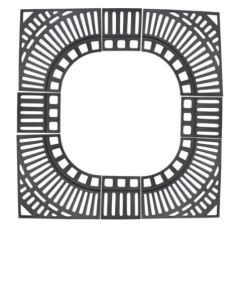
Square cast iron tree guard grate h950_19 with powder coating. Dimensions: W 155 x D 155 x H 3 cm. Weight: 92 kg.
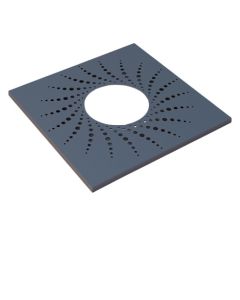
Galvanized steel tree guard grate, square shape. Dimensions: W. 100 x D. 100 x h. 3 cm. Hole Ø 40 cm.
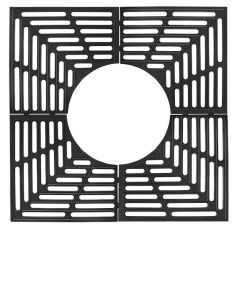
Powder-coated cast iron tree grate h950_17, ideal for protecting and enhancing urban green areas. Dimensions: W 150 x D 150 x h 5 cm. Weight: 144 kg.

Tree guard for public spaces. Material: cast iron. Composed of 8 pieces. Dimensions: 200 x 200 cm.
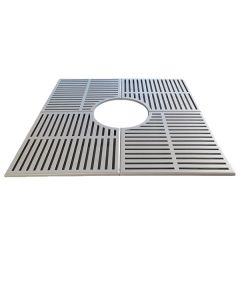
Square galvanized steel tree grate complete with frame. Dimensions: 1800x1800 mm. Inner hole Ø: 800 mm.
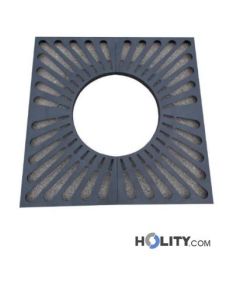
Tree and plant protection grate complete with frame. Type: horizontal. Dimensions: 200 x 200 cm.

Tree protection grate for public spaces in UNI EN 1461 galvanized steel. External dimensions: 2000 x 2000 mm. Central hole: Ø 900 mm.
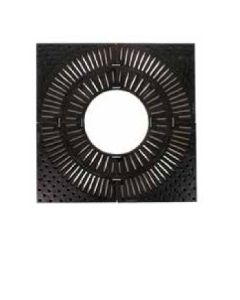
Tree protection grille for public spaces. Composed of 4 elements. Dimensions: 180 x 180 cm.
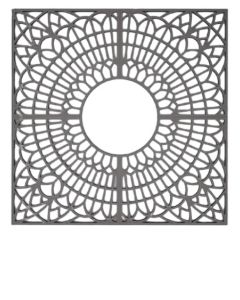
Square cast iron tree grate h950_18, powder coated. Dimensions: W 200 x D 200 x h 3 cm. Weight: 180 kg.
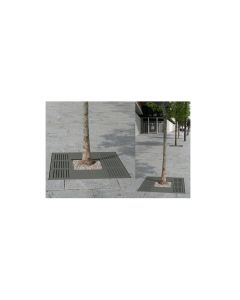
Tree guard grate for urban furniture. Shape: square. Dimensions: 1200 x 1200 mm
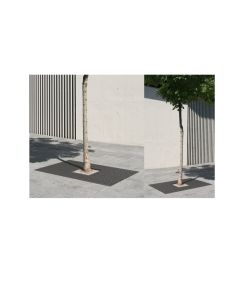
Steel tree grille. Dimensions: 122 x 122 cm. Central hole: 50 x 50 cm
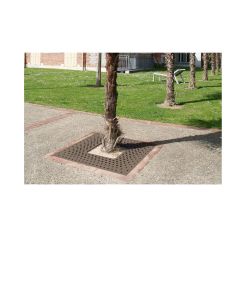
Tree grate for public parks. Dimensions: 120 x 120 cm. Central hole: 50 cm
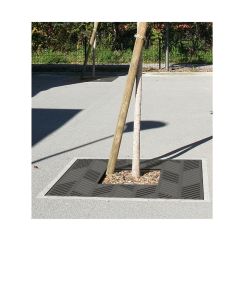
Protection grate for trees and plants. Dimensions: 122 x 122 cm. Central hole: 50 x 50 cm
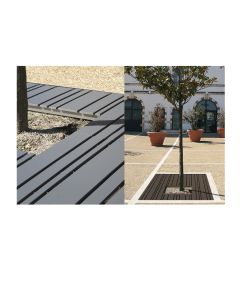
Tree guard grate for public spaces. Dimensions: 162 x 122 cm. Central hole: 50 x 50 cm
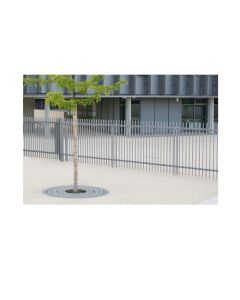
Circular tree grate for public spaces. Diameter: Ø1220 mm. Central hole: 50 x 50 cm
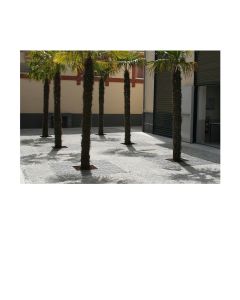
Tree guard grate for street furniture. Dimensions: 152 x 152 cm. Central hole: 50 x 50 cm.
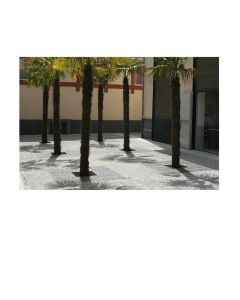
Steel tree and plant grate. Dimensions: 202 x 122 cm. Central hole: 50 x 50 cm.
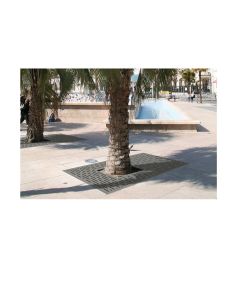
Tree protection grille. Dimensions: 162 x 122 cm. Central hole: 50 x 50 cm.
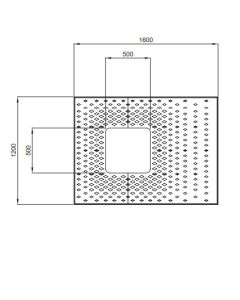
Tree guard grille for public spaces. Dimensions: 162 x 122 cm.
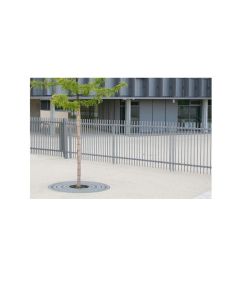
Circular tree grate for trees and plants. Diameter: Ø1520 mm. Central hole: 50 x 50 cm.
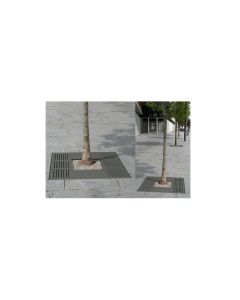
Square tree grate. Dimensions: 1500 x 1500 mm.
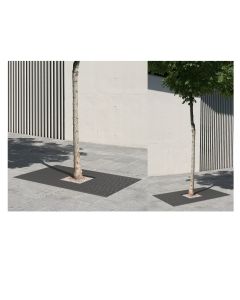
Tree grate made of steel. Dimensions: 152 x 152 cm. Central hole: 50 cm
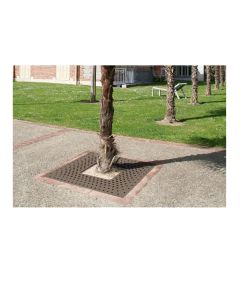
Tree grille for urban furniture. Shape: square. Dimensions: 152 x 152 cm
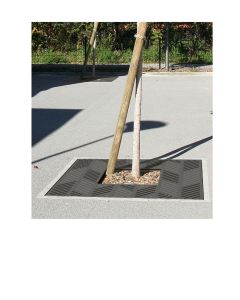
Horizontal tree guard for urban furniture. Dimensions: 152 x 152 cm. Central hole: 50 x 50 cm.
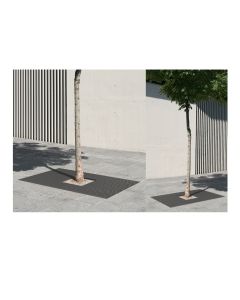
Steel tree grate. Dimensions: L. 202 x D. 122 cm. Central hole: 50 x 50 cm
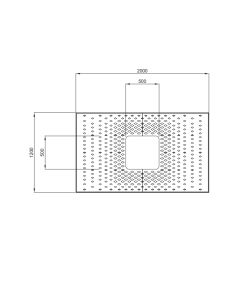
Tree grate made of steel. Dimensions: L. 202 x D. 122 cm. Central hole: 50 x 50 cm.
Tree grates and tree guards represent fundamental solutions for the protection and management of greenery in urban and public contexts. These structural elements perform multiple functions: they protect roots from foot traffic, allow for rainwater drainage, limit soil compaction, and offer a physical barrier around the tree trunk. Mainly made of cast iron, galvanized steel, and painted metal, tree guards adapt to various design needs, from public garden flower beds to pedestrian areas of tree-lined avenues, up to high-traffic sidewalks.
The choice of the correct type directly affects the longevity of the tree and the safety of the public space. A well-sized and correctly installed grate reduces mechanical damage to the roots, improves soil aeration, and facilitates routine maintenance operations.
Tree guards guarantee long-lasting protection against damage caused by continuous foot traffic, vehicles, and road maintenance equipment. In high-density pedestrian areas, soil compaction around the roots represents one of the greatest threats to tree survival: a well-designed horizontal grate distributes the load over a wider surface, preserving the integrity of the root system. From a management perspective, these elements simplify cleaning operations, allowing easy access to the basal area without compromising plant protection.
In addition to biological aspects, tree guards significantly improve urban aesthetics. Available in geometric design variants, from classic square to contemporary circular, they integrate naturally with the surrounding urban furniture. In public contexts such as parks, squares, and avenues, visibility and design identity play a crucial role: a finished cast iron grate allows for the elevation of the perceptual quality of the space while preserving agronomic functionality. Furthermore, vertical models protect the trunk from lateral pressure and direct mechanical damage, reducing the risk of wounds that would compromise the tree’s vitality.
Tree grates are mainly divided into three functional categories. Horizontal models are the most common for radial and basal protection: they are positioned at ground level surrounding the tree, with a central hole sized according to the trunk. Available in square versions (typically 60 x 60 cm, 80 x 80 cm, 100 x 100 cm) and circular versions (diameters from 600 to 1200 mm), these tree guards are made of G20 cast iron or painted galvanized steel. Their modular composition—often made of 2, 4, or more elements—allows for easy installation and quick disassembly for root maintenance operations. Circular models are particularly advantageous in tight spaces and offer better load distribution.
Vertical tree guards represent a complementary solution to protect the trunk and low branches from impacts, vandalism, and damage caused by equipment during maintenance. Made of galvanized steel or painted metal, they are installed by bolting to the ground or by coupling onto an existing horizontal grate. Their dimensions vary significantly: compact protections with a 50 x 50 cm section and a height of 1500 mm represent the norm for standard urban contexts, while more robust versions reach sections of 670 x 590 mm. Hot-dip galvanized steel guarantees superior durability in environments with high humidity or proximity to saline elements. An often overlooked aspect is the need to maintain sufficient space between the protection and the trunk to avoid rubbing and girdling phenomena.
The selection of the most suitable tree guard must start from the analysis of the environmental context and the available space. For a public garden with high foot traffic, it is preferable to choose horizontal cast iron grates with robust thickness and a square composition, which offer better resistance to dynamic loads and simplified drainage management. If space is limited (flower beds on narrow sidewalks), circular versions with a diameter of 600-800 mm represent the optimal compromise between protection and footprint.
A common mistake is undersizing the central hole compared to the actual diameter of the trunk: a grate that is too tight prevents the natural expansion of the trunk and causes plant constriction. The diameter of the hole should be kept between 100-150 mm larger than the diameter of the trunk at the time of installation, considering estimated growth in subsequent years. For contexts with a high risk of vandalism or mechanical damage (public parking lots, industrial areas), the combination of a horizontal cast iron grate with a vertical galvanized steel tree guard represents the most effective investment. In areas exposed to corrosive climates (coastal zones, salted roads in winter), hot-dip galvanized steel or coated cast iron offer superior performance compared to standard painted treatments. Evaluating the total weight of the element is fundamental for contexts where frequent disassembly is expected: a 58 kg cast iron grate requires adequate lifting equipment.
In Italy, the design of tree guards for public spaces must respect the indications of UNI 11038, which defines the criteria for the choice, planting, and maintenance of greenery in urban areas. This regulation establishes minimum dimensions for central holes, recommendations on drainage, and specifications regarding the composition of the underlying soil. For specific contexts such as sidewalks, accessibility and safety standards (UNI EN ISO 13 857) come into play, requiring grates with non-slip surfaces suitable for the expected moisture rate. Grates must also facilitate accessibility for people with reduced mobility, avoiding dangerous protrusions and ensuring a walking surface free of gaps that could block the canes of blind people.
From an environmental point of view, the cast iron used for these elements must come from certified recycling, in compliance with European directives on the circular economy. The anti-corrosion treatment, whether hot-dip galvanizing, epoxy painting, or organic coatings, must comply with the EN 1461 standard for galvanizing. An often underestimated aspect concerns drainage: tree grates must not obstruct the flow of rainwater, therefore their openings must guarantee a minimum permeability of 60-70%. During installation, it is essential to verify that the grate is positioned level with the surrounding surface, avoiding depressions that could accumulate water and promote root stagnation.
Explore all the products in the category and compare the available solutions to find the one best suited to your operational context, whether it is urban furniture, public parks, or green areas in a private setting.
The horizontal grate protects the roots and the root flare from foot traffic and soil compaction; it is positioned around the trunk at ground level. The vertical tree guard protects the trunk from mechanical impacts, vandalism, and injuries caused by equipment; it can function independently or be integrated with a horizontal grate for complete protection.
Square grates range from 60 x 60 cm up to 100 x 100 cm; circular ones from 600 mm in diameter up to 1200 mm. The most common sizes for sidewalks and public flower beds are 80 x 80 cm for square versions and 1000 mm diameter for circular ones, with central holes between 40-50 cm.
Cast iron offers superior resistance to static loads, greater longevity (over 50 years), and a more refined aesthetic appearance; it is ideal for high-visibility public spaces. Galvanized steel is lighter, more economical, and easily transportable; it is preferable in contexts with high humidity or proximity to the sea for better corrosion resistance.
The diameter of the hole must exceed the actual diameter of the trunk by at least 100-150 mm to allow for the natural radial expansion of the trunk over time. A grate that is too narrow causes girdling and compromises the tree’s vitality; it is advisable to check the annual growth rate of the specific species.
UNI 11038 provides guidelines for the design and selection of tree guards in urban areas. UNI EN ISO 13857 standards define safety and accessibility requirements; EN 1461 regulates the hot-dip galvanizing of steel components to ensure anti-corrosion durability.
Routine maintenance involves removing leaves and accumulated debris to ensure drainage; once a year, check for soil buildup that reduces permeability. For painted grates, inspect the condition of the coating and touch up any cracks to prevent accelerated corrosion.
Yes, many vertical models are designed to integrate with pre-existing grates through mechanical coupling or anchoring; this solution is ideal for updating obsolete protections without completely removing the horizontal element already established in the ground.
An 80 x 80 cm square cast iron grate weighs about 50-60 kg; larger versions reach 65-80 kg. The significant weight involves higher transport costs but guarantees stability and durability; it is advisable to check with suppliers for handling methods and if it is necessary to use forklifts or dedicated lifting equipment.
 English
  Italian
 French
 German
 Spanish