
mon-fri 9-13 / 14.30-18.30
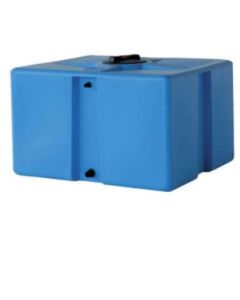
Horizontal parallelepiped tank in 100% recyclable LLDPE. Dimensions: W. 800 x D. 740 x H. 540 mm. Capacity: 300 lt.
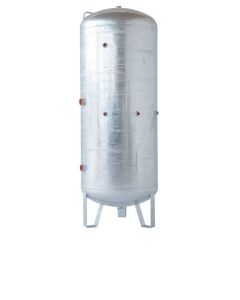
Galvanized tank for water storage, not tested. Dimensions: W. 400 x D. 400 x h. 1060 mm.
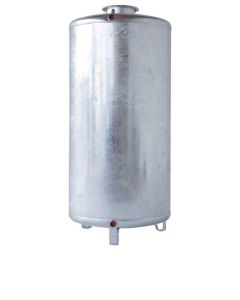
Vertical cylindrical galvanized sheet metal tank for drinking water. Dimensions: W. 500 x D. 500 x h. 730 mm. Ø manhole: 240 mm.
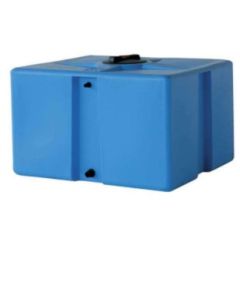
Horizontal parallelepiped tank in 100% recyclable LLDPE. Dimensions: W. 960 x D. 840 x H. 640 mm. Capacity: 500 lt.
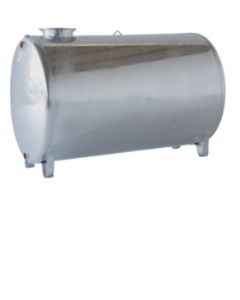
Tank for drinking water collection. Type: horizontal. In galvanized sheet metal. Dimensions: W. 600 x D. 1070 x h. 710 mm.
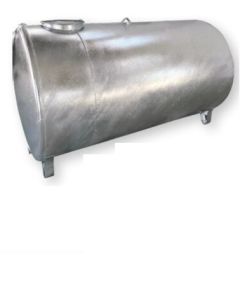
Horizontal hot-dip galvanized cylindrical tank for drinking water. Dimensions: W. 500 x D. 980 x H. 580 mm. Ø hatch: 240 mm.
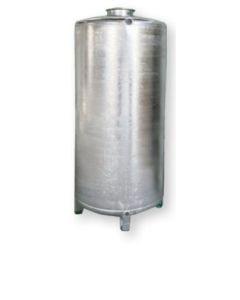
Galvanized sheet metal tank for drinking water recovery. Vertical cylindrical structure. Dimensions: W. 650 x D. 650 x h. 1620 mm.
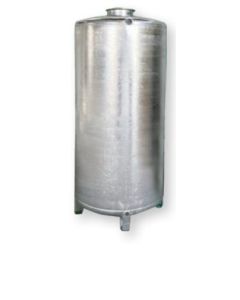
Vertical cylindrical galvanized sheet metal tank. Dimensions: W. 500 x D. 500 x h. 1580 mm. Ø manhole: 240 mm.
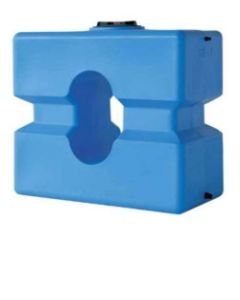
Vertical parallelepiped tank for potable/rainwater. In 100% recyclable LLDPE. W. 860 x D. 600 x h. 1020 mm.
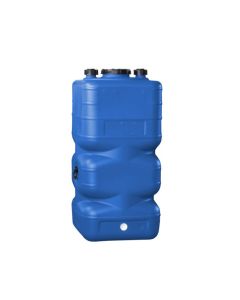
570 lt water tank, with 240 mm lid and 2 x 2” screw connections. Dimensions: W. 70 x D. 70 x H. 143 cm.
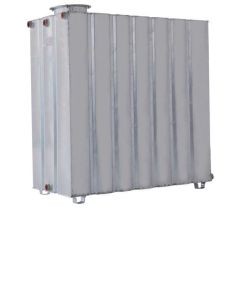
Galvanized parallelepiped tank. Dimensions: W. 540 x D. 750 x H. 890 mm. Manhole Ø 240 mm.
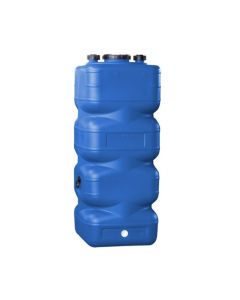
Plastic tank with 690 l capacity, 240 mm cover and 2 x 2” screw connections. Dimensions: W. 70 x D. 70 x H. 170 cm.
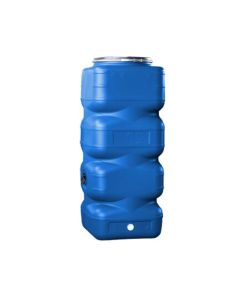
Water tank made of high-quality polyethylene. Dimensions: L. 70 x D. 70 x H. 169.5 cm. Capacity: 690 liters.
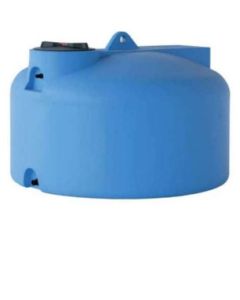
Vertical cylindrical panettone tank in recyclable LLDPE. Dimensions: Ø external 1300 x h. 900 mm. Capacity: 1000 lt.
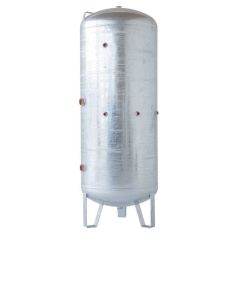
Water storage tank. Dimensions: W. 550 x D. 550 x H. 1350 mm. In galvanized sheet metal.
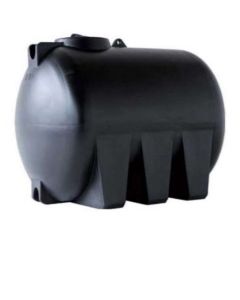
Horizontal water tank designed for underground installation. Capacity: 500 lt. Dimensions: W. 1150 x D. 750 x h. 840 mm. Color: black.
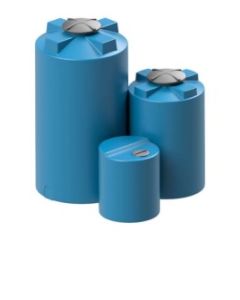
Closed-top vertical tank in LLDPE. Dimensions: external Ø 1090 x h. 1730 mm. Capacity: 1390 lt.
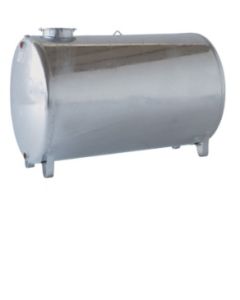
Horizontal cylindrical tank for drinking water. Dimensions: W. 750 x D. 1720 x h. 850 mm. In galvanized sheet metal.
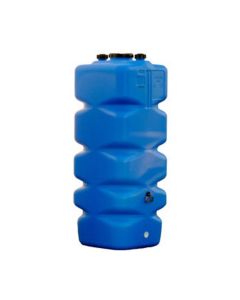
Plastic tank with 240 mm lid and 2 x 2” screw connections. Dimensions: W. 78 x D. 78 x H. 200 cm.
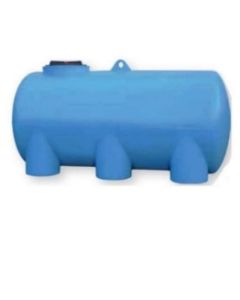
Horizontal cylindrical tank in 100% recyclable LLDPE. Dimensions: W. 1750 x D. 850 x h. 900 mm. Capacity: 1000 lt.
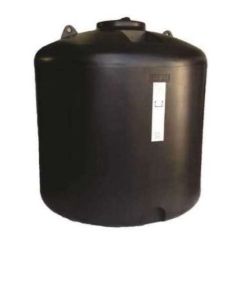
Vertical 1000 lt LLDPE tank, for underground use. Dimensions: external Ø 1300 x h. 900 mm. Color: black.
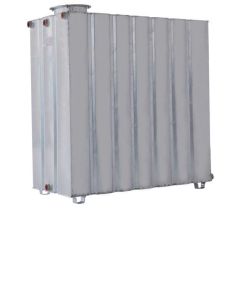
Parallelepiped galvanized sheet metal tank for drinking water. Dimensions: L. 600 x D. 1000 x H. 1400 mm. Manhole Ø 240 mm.
Plastic tank for non-pressurised storage of a variety of media. Dimensions: W. 140 x D. 72 x H. 1400 cm.
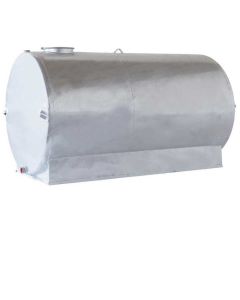
Towable cylindrical galvanized tank for water. Dimensions: W. 850 x D. 1700 x h. 970 mm. Manhole Ø 240 mm.
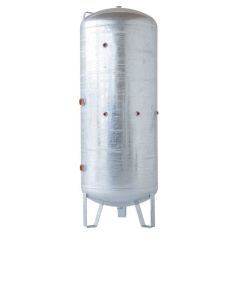
Non-tested galvanized water storage tank. Dimensions: W. 750 x D. 750 x h. 2000 mm.
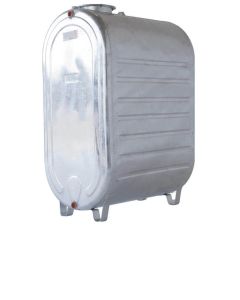
Galvanized oval tank for drinking water. Dimensions: W. 700 x D. 1150 x h. 1700 mm. Ø manhole: 240 mm.
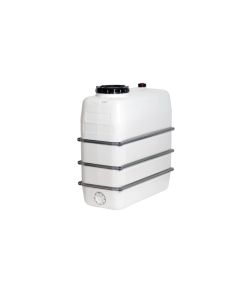
Water tank made of high-quality polyethylene. Dimensions: W. 156 x D. 72 x H. 164 cm.
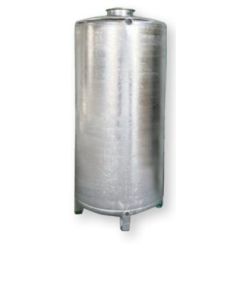
Vertical cylindrical galvanized tank for water collection. Dimensions: W. 1100 x D. 1100 x h. 2240 mm. Ø manhole: 320 mm.
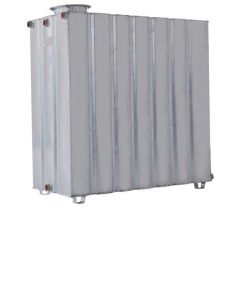
Rectangular tank for drinking water storage. Dimensions: W. 600 x D. 2000 x h. 1400 mm. In galvanized sheet metal.
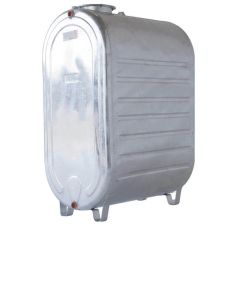
Oval water tank, for industrial use. Dimensions: W. 700 x D. 2100 x h. 1700 mm. Ø hatch: 320 mm.
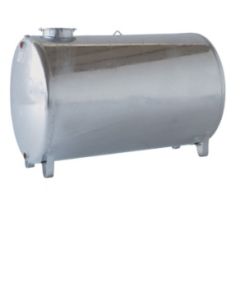
Tank for drinking water collection, in galvanized sheet metal. Dimensions: W. 1270 x D. 2430 x h. 1410 mm. Horizontal.
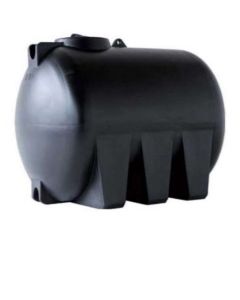
Horizontal water collection tank 3000 lt. Dimensions: L. 1970 x D. 1440 x h. 1530 mm. For underground installation. Color: black.
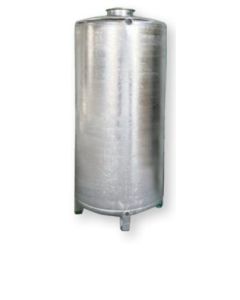
Drinking water storage tank. Material: galvanized sheet metal. Dimensions: L. 1270 x D. 1270 x h. 2550 mm. Ø hatch: 320 mm.
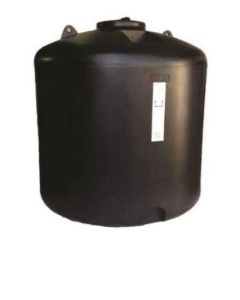
Vertical cylindrical underground LLDPE tank. Capacity: 5000 lt. Dimensions: Ø external 1800 x h. 1950 mm. Color: black.
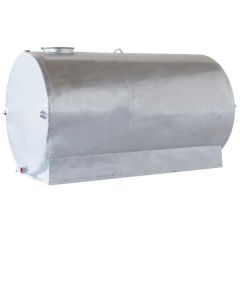
Galvanized water tank. Cylindrical wheeled model. Dimensions: W. 1100 x D. 2200 x h. 1250 mm. Manhole Ø 320 mm.
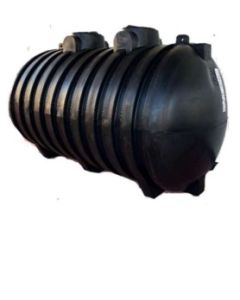
5000 lt horizontal corrugated tank, for underground installation. L. 2480 x Ø external 1770 x h. 1980 mm. For drinking and rainwater harvesting.
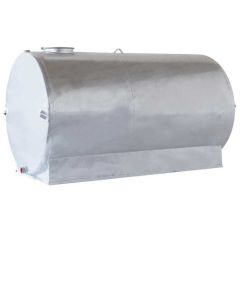
Cylindrical mobile tank for drinking water transport. Dimensions: W. 1430 x D. 2500 x H. 1600 mm.
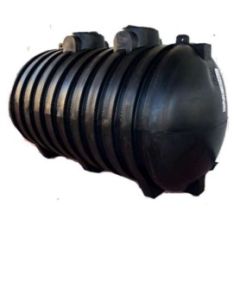
Horizontal corrugated cylindrical underground tank. Dimensions: L. 3300 x Ø external 1750 x h. 2000 mm. Capacity: 7000 lt.
Water tanks represent an essential solution in industrial, agricultural, and civil contexts where it is necessary to store, distribute, or recover water resources with operational continuity. From rainwater harvesting to accumulation for fire-fighting systems, and the storage of drinking water in environments with supply interruptions, these containers perform critical functions in modern infrastructures. The choice of an appropriate tank directly influences the efficiency of business processes, the quality of the stored water, and the overall sustainability of the system.
The variants available in our catalog range from small polyethylene tanks to large-capacity galvanized sheet metal structures, each designed to meet specific requirements for volume, installation type, and applicable regulatory standards.
A water tank allows for addressing critical situations such as water supply interruptions, sudden consumption peaks, or the need for accumulation for irrigation and fire-fighting systems. In HoReCa contexts, for example, the availability of a water reserve guarantees continuity in catering services even during external service disruptions, while in the industrial sector, tanks support production cycles that require constant volumes. The use of tanks also allows for the implementation of water-saving strategies, such as rainwater harvesting, reducing consumption and operational costs in the long term. Finally, in geographical areas where supply is irregular, having a storage structure represents a strategic resilience measure to guarantee operational autonomy.
An correctly sized tank also optimizes pumping and distribution systems, as it allows for reducing pressure peaks and extending the life of the connected systems. Furthermore, many modern tanks integrate accessories such as inlet filters, sampling points, and inspection hatches, features that simplify maintenance and guarantee hygienic management of the stored resource.
In our catalog, there are tanks made of three main materials, each with specific construction characteristics. Polyethylene tanks (PE and LLDPE) represent the lightest and most versatile solution: they are corrosion-resistant, easily transportable, and available in capacities from 300 to over 1000 liters. Their structure allows for both vertical and horizontal installations, as well as versions designed for underground burial. Galvanized sheet metal tanks, on the other hand, are suitable for industrial and long-term applications: the galvanization process protects against oxidation and deterioration, making them particularly suitable for outdoor environments or critical environmental conditions. These models are available in cylindrical (vertical and horizontal) and parallelepiped configurations, with capacities reaching 3000+ liters. Some models feature inspection hatches with 240 or 320 mm diameters, facilitating cleaning and maintenance operations.
Each type of material offers specific advantages and limitations depending on the application context. Polyethylene is ideal where weight is a logistical constraint or where frequent cleaning operations require easy access. Galvanized sheet metal prevails in large-volume fixed installations where structural robustness and durability are prioritized over lightness. There are also tanks in “palletizable” configurations, designed with bases that facilitate movement via pallet trucks or forklifts, a practical solution for industrial environments where operational flexibility is frequently required.
The selection of a tank requires, first and foremost, clearly defining the necessary volume, calculated based on daily consumption, the frequency of withdrawal, and the maximum desired duration of autonomy. In contexts such as pharmacies, medical offices, or small restaurants where usage is moderate but regular, tanks between 500 and 700 liters are generally sufficient. Medium-sized companies or facilities with marked consumption peaks must consider capacities exceeding 1000 liters, potentially calculating the opportunity to install multiple modular units rather than a single bulky container. A second critical aspect concerns the available space: vertical tanks are preferable where the ground footprint is limited, while horizontal solutions adapt better to rooms with reduced height or wide corridors.
The choice of material depends on the quality of the water to be stored and the expected duration of the installation. If the water is potable and must be stored for a long time, galvanized sheet metal guarantees a better barrier against pathogens and environmental contamination, albeit with a higher initial investment. Polyethylene is sufficient for most non-potable uses (rainwater, non-critical industrial processes), with the advantage of reduced costs and ease of installation. A frequent error consists in undersizing the volume: an apparently oversized tank offers operational stability and allows for facing unforeseen consumption peaks without hydraulic stress. Finally, checking compatibility with local regulations (UNI EN 12285 for polyethylene tanks, UNI EN 1092-1 for fittings, regional construction regulations) is an indispensable step before purchasing.
Water tanks are subject to technical regulations that guarantee safety, hygiene, and durability. The UNI EN 12285-1 standard governs plastic tanks for drinking water and rainwater, defining construction, resistance, and durability requirements. Regarding materials, the European standard EN 12285-2 specifies standards for steel tanks, while UNI certifications ensure that the polyethylene used is suitable for contact with water intended for human consumption. In Italy, furthermore, Legislative Decree 31/2001 (implementation of Directive 98/83/EC) establishes microbiological and chemical quality criteria for stored water, making the selection of inert materials resistant to contamination mandatory.
Specific requirements emerge depending on the context of use: for tanks in public environments (hospitals, schools, sports facilities), a CE declaration of conformity according to the current construction regulations is required. Palletizable and mobile tanks must comply with stability and robustness standards for support structures (UNI EN ISO 4413 for mobile systems). The technical documentation provided with each product must include certificates of conformity, construction specifications, and installation and maintenance instructions. Periodic quality control of the stored water is also a practical requirement: regulations recommend checks at least every six months for drinking water tanks, in order to identify early signs of sedimentation, algal proliferation, or internal corrosion of the walls.
Explore all the products in the category and compare the available solutions to find the one most suitable for your operational context, considering capacity, material, configuration, and specific regulatory requirements of your application.
Polyethylene is lighter, more versatile, and corrosion-resistant, ideal for temporary installations or where mobility matters. Galvanized sheet metal offers greater durability, structural robustness, and better hygienic protection for long-term storage of drinking water, but involves higher weight and costs. The choice depends on the duration of the installation and the quality of the water to be stored.
For small restaurants (20-40 covers), 500-700 liters are sufficient. Medium facilities (50-100 covers) require 1000-1500 liters. The basic formula is: number of people × average daily consumption (30-50 liters per person) × number of days of desired autonomy. It is always advisable to oversize by 20% to manage peaks.
Yes, as long as they are made of polyethylene certified UNI EN 12285-1 for food use. The material must be inert, UV resistant (if exposed), and free of toxic substances. Always check the CE declaration of conformity and the specific certifications provided by the manufacturer before purchasing.
Vertical tanks require less ground space and facilitate the sedimentation of impurities at the bottom, excellent for environments with limited surface area. Horizontal ones are more stable, require less installation height, and are preferable where the ceiling is low. The choice depends on the dimensions of the room and accessibility for maintenance.
Routine maintenance (visual inspection, internal cleaning) has low costs and should take place every 6-12 months. Plastic tanks require minimal interventions; galvanized sheet metal ones may need protective paint every 5-10 years. Extraordinary cleaning (degreasing, disinfection) has costs ranging from 200 to 800 euros depending on the capacity.
No. Rainwater has fewer regulatory constraints, as it is intended for secondary uses (irrigation, cleaning). A plastic or untreated sheet metal tank with protection from light and contaminants is sufficient. Drinking water, however, requires specific certifications and inert materials to avoid the release of harmful substances.
Underground tanks are designed to withstand ground pressure and still require excavations and civil works. They are advisable only if burial is already planned in the design phase of the system. For contingent needs, above-ground solutions remain cheaper and more practical to manage over time.
Legislative Decree 31/2001 (implementation of Directive 98/83/EC) establishes microbiological and chemical parameters. Quarterly checks are recommended for old tanks and annual checks for new systems. Certified laboratories can analyze samples to detect bacteria, hardness, pH, residual chlorine, and other critical characteristics.
 English
  Italian
 French
 German
 Spanish