
mon-fri 9-13 / 14.30-18.30
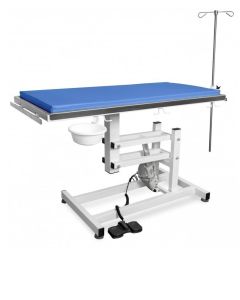
Veterinary table with electric height adjustment. Mattress, IV pole and non-slip mat included. Dimensions: W. 142 x D. 66 x h. 80-116 cm.
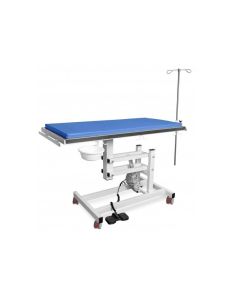
Electric veterinary table with stainless steel top and wheels with brakes. Dimensions: L 142 x D 66 x H from 87 to 123 cm.
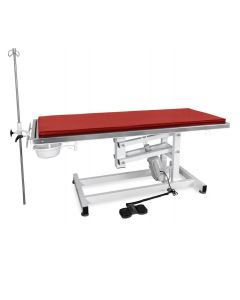
Veterinary operating table with 160x65 cm top. Electrically adjustable height. Dimensions: L. 167 x D. 65 x h. 80-116 cm.
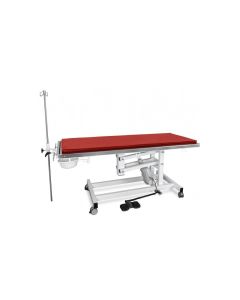
Veterinary table with electric adjustment and enlarged stainless steel top. Dimensions: W 160 x D 65 x H from 87 to 123 cm.
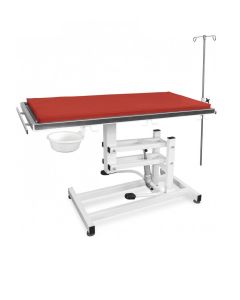
Veterinary operating and therapeutic table with hydraulic height adjustment. Dimensions: W. 142 x D. 66 x h. 78-118 cm.

Veterinary table with electric height and surface angle adjustment. Dimensions: 142 x D. 65 x h. 80-116 cm.

Operating table adjustable in height and inclination. Stainless steel top with drainage holes. Dimensions: W 142 x D 66 x H from 87 to 123 cm.
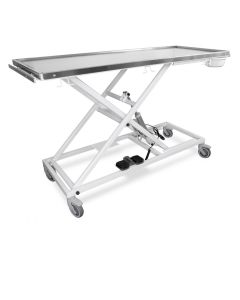
Operating table for veterinary clinics with wheels equipped with brakes. Electrically adjustable height. W. 167 x D. 66 x H. 51-101 cm.
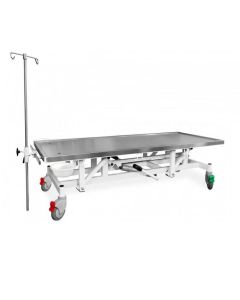
Veterinary operating table on wheels. Hydraulic height adjustment. Dimensions: W. 167 x D. 65 x H. 47-88 cm.
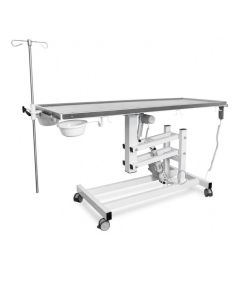
Operating table for veterinary clinics with a 160x65 cm top, electric height and top angle adjustment. W. 167 x D. 65 x h. 87-123 cm.
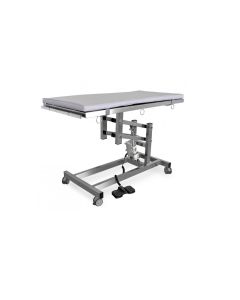
Stainless steel veterinary table with adjustable electric height. Dimensions: L 142 x D 66 x H from 87 to 123 cm.
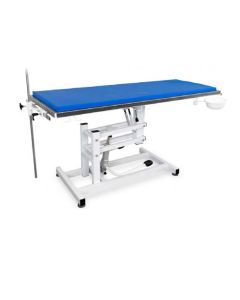
Veterinary operating table with hydraulic height adjustment and table top tilt adjustment via gas springs. L. 167 x D. 65 x h. 78-118 cm.
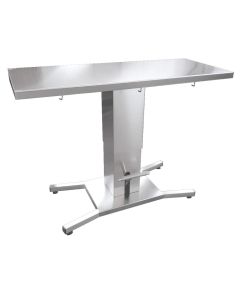
Operating table ideal for veterinary clinics. Hydraulic operation.

Veterinary operating table with electric operation. Dimensions: W. 134 x D. 69 x h. 30-100 cm. Max capacity: 150 kg.
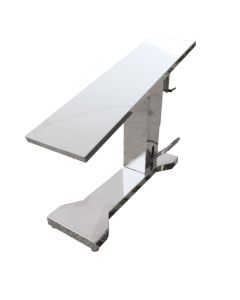
Hydraulic operating table for veterinary clinics made of stainless steel. Load capacity: 100 kg.
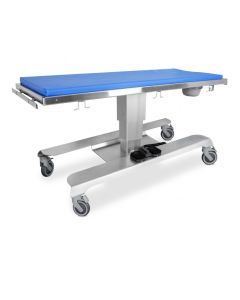
Veterinary table with electric height adjustment and locking wheels. Lifting column with max load 200 kg. L. 142 x W. 65 x h. 58-100 cm.

Operating table for veterinary clinics in stainless steel. Hydraulic operation.
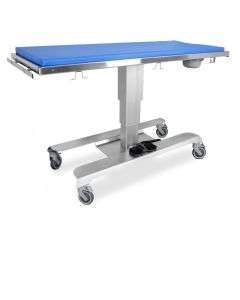
Veterinary table with electric height adjustment and locking wheels. L. 167 x D. 65 x h. 58-100 cm. Max load lifting column: 200 kg.

Veterinary operating table in stainless steel. Hydraulically operated table.

Operating table for veterinary clinics made of stainless steel. The table has hydraulic operation.
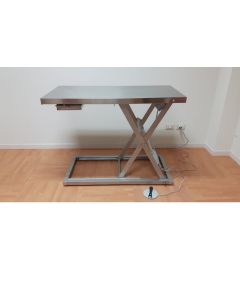
Electric veterinary table. Dimensions: W. 1300 x D. 600 x h. min. 270 max. 1070 mm.

Stainless steel hydraulic operating table for veterinary clinics. Capacity 100 kg.

Hydraulic table made of stainless steel ideal for veterinary clinics. Load capacity 100 kg
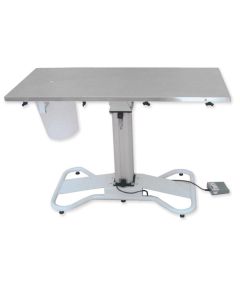
Operating table for veterinary clinics. Dimensions: L. 118 x D. 56 x h. 85/102.
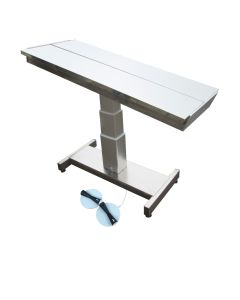
Electric table for veterinary clinic. Dimensions: W. 145 x D. 55. Height: from 68.5 to 108.5 cm.
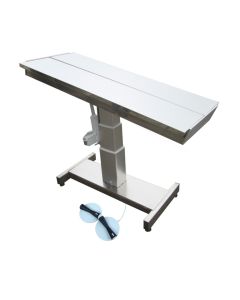
Operating table for veterinary clinics in stainless steel. Electric operation. Capacity 100 kg

Operating table for veterinary clinics made of laminated stainless steel. Electric operation.
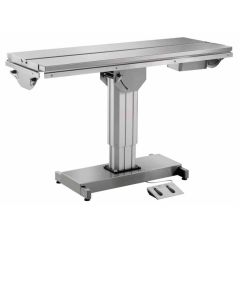
Electric veterinary operating table in stainless steel, V-top style. Load capacity: 180 kg. Dimensions: W. 1450 x D. 560 x H. 780 - 1080 mm.

Operating table for veterinary practices in stainless steel. Electric operation. Load capacity: 100 kg

Hydraulic lift operating table for animals. Capacity: 160 kg. Dimensions: W. 1450 x D. 560 x h. 750 - 1080 mm.
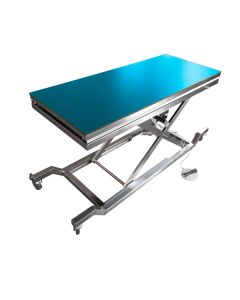
Operating table for veterinary practices. Operation: electric. Load capacity: 100 kg.
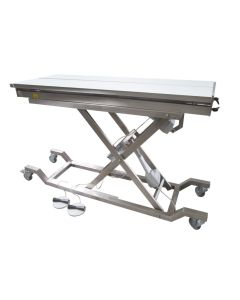
Veterinary operating table in stainless steel, electric operation. Dimensions: L. 145 x D. 55 x h. 40/120 cm
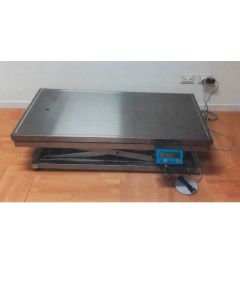
Veterinary operating table with scale. L. 1300 x D. 600 x h. min 270 max. 1070 mm.

Electrically adjustable veterinary operating table. 2 lifting columns. Dimensions: W. 167 x D. 72 x h. 63 - 105 cm.

Operating table for veterinary surgeries. Operation: electric. Dimensions: W. 130 x D. 40 cm.
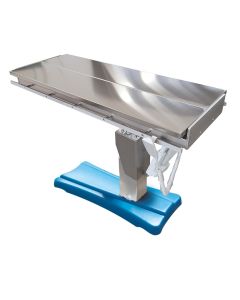
Electric operating table for veterinary surgery. Capacity: 100 kg. Dimensions: W. 140 x D. 55. Height from 80 to 120 cm.
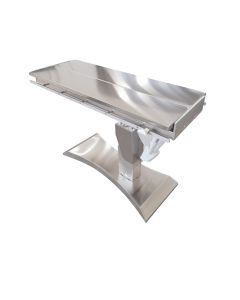
Electric table for veterinary clinics. Dimensions: W. 1410 x D. 55. Height: from 80 to 120 cm.
Veterinary operating tables represent a fundamental piece of equipment for any veterinary clinic, hospital, or research center. These devices must guarantee structural stability, ergonomics for both the operator and the animal, and the ability to adjust the height and tilt of the work surface according to the needs of the procedure. The correct choice of an operating table directly affects the quality of care provided, the safety of the animal, and the reduction of medical-veterinary staff fatigue during procedures that can last for several consecutive hours. Solutions available on the market vary considerably in terms of drive mechanisms, construction materials, load capacity, and level of customization, making an informed assessment of your operational needs necessary.
A quality veterinary operating table allows medical staff to work in correct ergonomic positions, significantly reducing muscle fatigue and postural disorders resulting from prolonged surgeries. Dynamic adjustment of the height and angle of the tabletop allows for maintaining natural postures during diagnostic, therapeutic, and surgical procedures, increasing gestural precision and reducing operating times. The animal, in turn, benefits from constant stability and an ergonomic surface that minimizes physical stress during anesthesia and post-operative recovery. Noble materials such as stainless steel guarantee compatibility with hygiene and sanitization protocols in veterinary facilities, essential for preventing cross-contamination and complying with biosecurity regulatory requirements. Load capacity adequate for the average size of the animals treated, combined with reliable fastening systems, ensures that no structural failure occurs during delicate maneuvers or medical emergency situations.
In addition to purely functional aspects, investing in a veterinary operating table represents a statement of professionalism toward pet owners and a demonstration of commitment to the animal's well-being. Clinics with modern and well-maintained equipment generate trust in the client and facilitate compliance during diagnostic or therapeutic procedures. Versatility of use is another crucial feature: many modern operating tables can be used for both complex surgical interventions and routine clinical examinations, therapeutic grooming, or physiotherapy procedures. The modularity of some solutions allows for the addition of specialized accessories such as IV poles, suspension hooks, instrument trays, and non-slip mats, increasing functionality without the need for full equipment replacement. This flexible approach translates into a reduction in long-term operating costs and greater management efficiency for the facility.
Veterinary operating tables differ mainly based on the drive system, which can be hydraulic, electric, or manual. Hydraulic adjustment models represent the most established solution in the industry, characterized by reliable operation, relatively simple maintenance, and contained acquisition costs. These tables use a system of hydraulic cylinders to vary the height and, sometimes, the inclination of the work surface via a foot pedal or control lever. The main limitation of hydraulic systems lies in the lower adjustment speed and the need to periodically check fluid levels, but for many clinics, they still represent a practical and durable choice. Electric adjustment models have gained ground in recent years, offering faster, quieter, and more precise adjustment without the need for hydraulic fluid maintenance. These tables are controlled via buttons or remote controls and often feature memory systems to store preferred heights, significantly improving the staff's operational experience.
As for tabletop materials, the choice mainly falls between stainless steel and padded synthetic materials. Stainless steel is the material of choice for facilities requiring high hygiene standards and handling animals with infectious pathologies, as it allows for high-temperature sanitization and the use of aggressive disinfectants without risk of corrosion or degradation. Padded tops in vinyl or imitation leather, often with a painted mild steel base, offer a more comfortable surface for the animal during procedures and better grip for limbs, reducing the risk of slipping. Some tables combine the two solutions with a fixed stainless steel top and a removable padded surface, ensuring versatility and ease of cleaning. Tabletop dimensions range from 118 x 56 centimeters for small animal facilities up to 170 x 70 centimeters and beyond for practices that regularly treat large or exotic animals. The depth of height adjustment is another decisive parameter: many tables vary from 47 to 130 centimeters, allowing for comfortable operations on small weight animals as well as medium-large dogs, as well as safe positioning and transport maneuvers for staff.
The selection of a veterinary operating table must start with a realistic analysis of the animal types most frequently treated in the facility. If the clientele is primarily composed of small animals (cats, rabbits, small rodents), a compact table with a maximum height of 100-110 centimeters and a 120 x 60 centimeter top will be sufficiently functional and less bulky in limited spaces. Should the clinic also treat medium and large dogs, it will be necessary to opt for models with a wider top (140-170 centimeters long) and a more generous height range, capable of descending to 50-60 centimeters in height to facilitate animal loading and rising to 100-125 centimeters to allow the veterinarian to operate from an upright and relaxed position. A frequent mistake is underestimating the importance of the declared maximum capacity: although many veterinarians assume they will not have to treat very heavy animals, it is wise to opt for tables with a load capacity higher than estimated, as this guarantees greater structural stability and superior longevity of the device even under daily operational stress.
The drive system represents a compromise between practicality, speed, and available budget. If the facility has limited space and the staff is numerous with different operating height preferences, electric adjustment with position memory reduces setup times and improves overall ergonomic safety. If the budget is more limited and less intensive use is expected, a well-sized hydraulic system remains a reliable and long-lasting choice. It is also essential to evaluate the ease of sanitization: tables with flat surfaces, free of cracks or recesses where microorganisms could proliferate, are preferable. The presence of locking wheels is advisable for facilities where the table is frequently moved between different operating rooms, while fixed models may be acceptable in settings with dedicated environments. Finally, consider the possibility of purchasing compatible accessories such as IV poles, non-slip mats, instrument trays, and specialized positioning cushions: these elements, although not strictly necessary for basic operation, significantly increase clinical versatility without compromising the initial investment.
Veterinary operating tables must comply with a series of regulatory requirements that vary slightly depending on geographical jurisdiction but maintain common principles related to safety, stability, and suitability for use. In the European context, the main reference is the Machinery Directive 2006/42/EC, which establishes essential safety criteria for medical-veterinary equipment. This regulation requires that operating tables be constructed in such a way as to guarantee structural stability even under eccentric load conditions, that height adjustment systems have double safety margins relative to the nominal capacity, and that any components under pressure (such as hydraulic cylinders) are tested and certified according to specific technical standards. The CE marking represents a reliable indicator of compliance with European regulations, and is a guarantee that the manufacturer has conducted appropriate risk assessments and implemented effective mitigation measures. In addition to structural aspects, the EN 12182 standard specifies requirements for strength and durability for work surfaces and drive systems, providing for life cycles and stress tests that simulate prolonged use in a clinical environment.
In addition to functional safety requirements, it is essential that veterinary operating tables meet the hygiene and biocompatibility standards applicable to medical facilities. This means that materials in direct contact with the animal must be non-allergenic, non-toxic, and easily sanitizable without degrading over time. Medical-grade stainless steel (AISI 304 or higher) is the reference material to guarantee resistance to corrosion even under the action of hypochlorite or alcohol-based disinfectants. The vinyls used for padded coverings must be certified for medical use and must tolerate sanitization temperatures up to 70-80°C without deforming. At the facility management level, it is appropriate for each operating table to undergo regular preventive maintenance checks and for documentary records of these interventions to be maintained: this not only extends the useful life of the equipment but also helps create a compliance track in case of regulatory inspections or disputes. Some veterinary practices choose to rely on maintenance contracts with specialized suppliers, thus ensuring that any technical problem is resolved promptly and that wear components are replaced before they cause a significant degradation in performance.
Explore all products in the category and compare available solutions to find the one best suited to your operational context. Each model has been selected considering criteria of reliability, ergonomics, and regulatory compliance relevant to Italian and international veterinary facilities.
Hydraulic tables use a system of pressurized cylinders for height adjustment: they are reliable, require simple maintenance, and have lower costs. Electric tables offer faster, quieter, and more precise adjustment, often with preferred position memory, but require a stable power supply and maintenance of motorized components.
For facilities treating both small animals and medium-large dogs, a minimum capacity of 150-200 kg is recommended. This safety margin ensures constant structural stability even during delicate maneuvers, increases the durability of the device, and reduces the risk of failure under daily operational stress.
Dimensions should match the animal species treated: small animals require tops of 120 x 56 cm, while medium-large dogs need tops 140-170 cm long. The length allows for complete positioning of the animal, while the width must allow the veterinarian comfortable access from both sides.
Stainless steel is ideal for facilities with high hygiene standards and animals with infectious diseases, as it resists high-temperature sanitization and aggressive disinfectants. Padded surfaces offer more comfort to the animal and better grip, but require more frequent cleaning and tolerate high temperatures less well.
 English
  Italian
 French
 German
 Spanish