
mon-fri 9-13 / 14.30-18.30
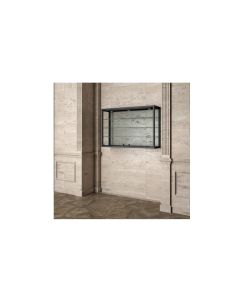
Wall-mounted museum display case in iron and 8 mm tempered glass. Dimensions: 95 x 25 x 80 cm, with 3 shelves, 3 LEDs in the top and security lock.
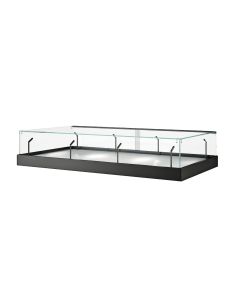
Countertop museum showcase in 8 mm tempered glass and wooden base. Equipped with 8 lateral LED spotlights, demountable structure and locks. Dimensions: 182 x 80 x H 45 cm.
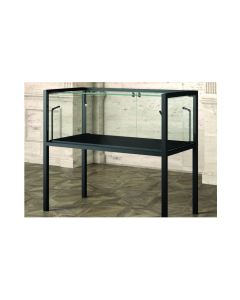
Museum display case in black iron and 8 mm tempered glass. Dimensions: W 120 x D 60 x H 105 cm, with 4 corner LED spotlights at 4,000°K and security lock.
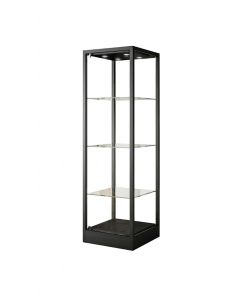
Professional museum display case in iron and 8 mm tempered glass with 4 LED spotlights and 3 adjustable shelves. Dimensions: 60 x 60 x H 200 cm. Color: black.
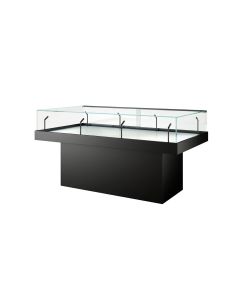
Museum display case in wood and 8 mm tempered glass with 8 lateral LED spotlights, removable base and locks. Dimensions: 182 x 80 x H 105 cm. Black color.
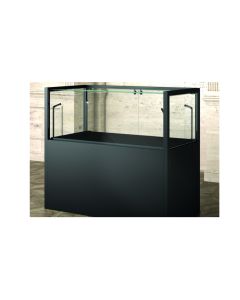
Museum display case in iron and 8 mm tempered glass. Dimensions: 120 x 60 x 105 cm, with 2-door lower cabinet, 4 corner LEDs and security locks.
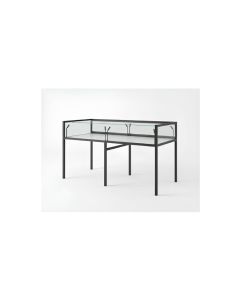
Horizontal museum display case in black iron and 8 mm tempered glass. Dimensions: W 180 x D 80 x H 105 cm, with 8 corner LED spotlights at 4,000°K and locks.
Museum display cases and display conservation solutions represent the meeting point between the need to protect cultural heritage and the public enjoyment of the works. These devices are not simple furniture, but complex systems designed to ensure maximum integrity of the artifacts, isolating them from external degrading agents such as dust, hygrometric variations, and accidental contacts. The adoption of high-quality museum display cases allows every detail of the exhibited object to be enhanced, offering a crystal-clear transparency that does not interfere with the visitor’s aesthetic perception.
Within prestigious contexts such as art galleries or exhibition halls, the choice of museum showcases must meet rigorous standards of safety and preventive conservation. Each structure is designed to integrate harmoniously into the surrounding architecture, transforming into a silent but fundamental tool for museum narration. Investing in professional display systems means guaranteeing a superior longevity for the collections, reducing restoration interventions and improving the overall public experience through cutting-edge lighting and sealing technologies.
The use of dedicated museum display cases primarily addresses an extremely refined need for passive conservation. Unlike common commercial showcases, these modules are made of chemically inert materials that do not emit harmful volatile substances, preserving sensitive materials such as parchments, ancient textiles, or precious metals from corrosion. The supporting structure must ensure an airtight seal or a filtered air exchange, actively or passively controlling the internal microclimate. In contexts such as temporary exhibitions or permanent displays, the robustness of the laminated safety glass prevents break-in attempts and acts of vandalism, acting as an impassable physical barrier.
In addition to physical protection, museum display cases play a crucial role in lighting management, often integrating LED systems with no UV or IR emissions that could accelerate the photodegradation of surfaces. The architecture of the showcase itself is designed to facilitate setup and maintenance operations by curators, thanks to fluid opening mechanisms such as hinged doors or lifting hood systems. Choosing specific products for the cultural sector also guarantees aesthetic and functional continuity, allowing for the configuration of flexible and modular exhibition paths within art galleries or large museum complexes, where visual consistency is an integral part of the institutional identity.
The construction variants of museum display cases adapt to the nature of the objects housed and the characteristics of the exhibition spaces. Pedestal display cases, for example, are ideal for isolating single pieces of exceptional value, offering a 360-degree view and a minimal visual impact due to the absence of bulky vertical profiles. Alternatively, wall-mounted cases or recessed cases are preferred to optimize surfaces in smaller exhibition rooms, creating a continuous display line that guides the visitor along the perimeter walls. Each type can be equipped with technical bases that hide the relative humidity control systems, maintaining the clean and professional aesthetic required in a museum environment.
For traveling exhibitions or art galleries that frequently change their layout, modular display cases represent the most versatile solution. These models allow for rapid reconfiguration of spaces without sacrificing security requirements. Among the finishes, the use of extra-clear or anti-reflective glass stands out, fundamental for eliminating visual distortions and light interference from the surrounding environment. The structures can be made of epoxy powder-coated metal or composite materials, always guaranteeing excellent structural resistance and an impeccable finish that does not distract attention from the artwork, but enhances its original volumes and colors.
The selection of the ideal display system requires an in-depth analysis of the object’s vulnerabilities and the environmental conditions of the room. One of the most relevant technical decision criteria concerns the sealing degree of the case: for archaeological artifacts or archival documents, it is essential to opt for display cases with extremely low air exchange rates, less than 0.1 volumes per day. Users often underestimate the importance of ease of access, making the error of choosing opening systems that are too complex and may put the work at risk during handling phases. It is fundamental to evaluate whether the showcase will need to house an active climate control system or if the insertion of hygroscopic salts in the lower technical compartment will be sufficient.
Another critical factor is the quality of the glass: the common mistake of using glass not certified for ultraviolet ray reduction can cause irreversible damage to pigments and organic fibers. When choosing museum display cases, one must also consider the static load of the shelves, especially if heavy sculptures or stone artifacts are to be displayed. Technical consultancy therefore becomes essential to balance the desired aesthetics with the needs for anti-burglary security, defining whether high-security mechanical locks or integrated electronic monitoring systems are required. A conscious choice must also look at long-term maintainability, preferring suppliers who guarantee the availability of spare parts and specific gaskets.
Museum display cases must comply with rigorous international standards to be considered suitable for the conservation of cultural heritage. In Italy, the Ministry of Culture guidelines indicate the minimum requirements for safety and conservation, emphasizing the mechanical stability and fire resistance of the materials used. The cases must be made with laminated glass compliant with UNI EN 356 standards for resistance to manual attack, guaranteeing effective protection against theft attempts. It is equally fundamental that the gaskets and sealants used are free of harmful emissions (Oddy Test passed), to avoid internal fogging phenomena or chemical reactions with the exhibited works.
Regarding integrated electrical systems, every component must comply with electrical safety and electromagnetic compatibility regulations, preventing the heat generated by transformers from affecting the internal temperature of the showcase. Compliance with museum accessibility requirements is another recurring aspect: the height of the display surfaces and visibility must be studied to allow enjoyment even for people with motor or visual disabilities. Correct regulatory design is not limited to the physical structure, but also includes technical documentation certifying sealing performance and UV ray reduction parameters, elements indispensable for obtaining loans of artworks from other institutions or for stipulating adequate insurance policies.
Explore all the products in the category and compare the available solutions to find the one best suited to your operational context.
The adoption of anti-reflective glass in museum display cases drastically reduces light interference caused by windows or ambient lighting systems. This technological treatment allows for the elimination of up to 99% of reflections, improving the perception of colors and the smallest details of the works, guaranteeing an almost invisible transparency that enhances the professional display.
Hygrometric control inside museum display cases usually occurs through passive or active systems. Passive systems use adsorbent materials such as silica gel housed in hidden compartments, while active systems include electronic climate control units that maintain a constant set relative humidity value, fundamental for the conservation of sensitive organic materials.
For the setup of museum display cases, it is mandatory to use chemically inert materials that have passed the Oddy Test. Powder-coated metals, glass, and certain types of stable polymers are ideal because they do not release organic acids or sulfur compounds that could irremediably damage the archaeological finds or ancient coins kept in the case.
Yes, high-end museum display cases integrate laminated glass with special plastic films or nanotechnology coatings designed to block over 98% of ultraviolet rays. This protection is crucial to prevent the fading of pigments in art galleries and the progressive embrittlement of natural fibers found in historical documents and textiles.
Museum display cases use high-precision security locks, often equipped with protected duplication keys or magnetic coding systems. In high-security contexts, the cases can be integrated with opening sensors connected to the building’s central alarm, guaranteeing constant surveillance without compromising the minimalist aesthetic required in modern exhibition halls.
The pedestal display case (or bell-shaped case) consists of a glass hood resting on a base, offering total visibility of the object and facilitating the view of its volumes. The wall-mounted display case is instead fixed or recessed into the perimeter walls, ideal for optimizing space and creating continuous narrative paths, protecting objects on three sides and offering facilitated frontal access.
 English
  Italian
 French
 German
 Spanish