mon-fri 9-13 / 14.30-18.30
Indoor walkers intended for nursing homes, clinics, and wards must be chosen considering the spaces in which they will be used. Width, depth, wheels, and braking systems affect maneuverability in corridors, rooms, and elevators. Even a few centimeters can make a difference in narrow passageways. For this reason, the selection must start from the actual characteristics of the structure and daily routes.
The corner protectors for schools help protect corners, columns, walls and furniture in spaces used by children every day. The choice depends on the area to be protected, the size of the space and the type of activity carried out. Materials, thickness and fixing system should be assessed according to the intended use. A careful analysis of the environment makes it possible to identify suitable protections for classrooms, corridors, play areas and other school spaces.
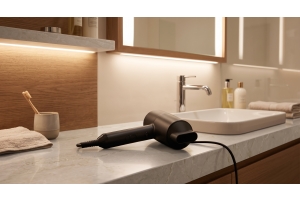
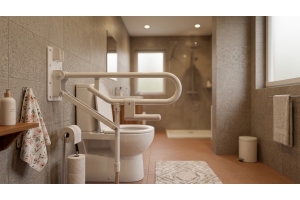
Public restroom furnishings must meet the needs of spaces used by many people every day. Sanitary fixtures, accessories and surfaces should therefore be durable, practical and easy to maintain. The choice depends on the number of users, frequency of use and type of facility. Careful planning helps create functional spaces that are easier to manage over time.
Furnishing a physiotherapy clinic requires careful planning of the available space and the equipment that is actually needed. Treatment tables, professional seating, trolleys and storage solutions should be arranged to support daily work while keeping circulation areas clear. The choice depends on the services provided, the size of the clinic and the number of treatment stations required. A well-planned layout creates a more organised, functional and easier-to-manage professional environment.
Modular school desks and tables make it possible to adapt the classroom quickly for teacher-led lessons, individual activities and group work. Shape, dimensions, height and configuration options determine how the furniture can be arranged. Mobility and overall footprint should also be assessed in relation to the available space. A coordinated choice therefore helps create more flexible and functional learning environments.
There hospital room It's one of the most complex spaces to design within a hospital, clinic, or healthcare facility. It must accommodate patients, support staff activities, and allow the use of beds, wheelchairs, stretchers, lifts, and clinical devices without creating obstacles. Every element, from the position of the bed to the choice of bedside table, impacts the flow of traffic and the ease with which daily procedures are performed.
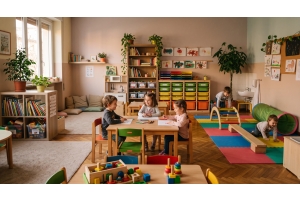
A functional classroom is born from the relationship between space, teaching activities and school furniture. Benches, seats And teacher desks They shouldn't be chosen as separate products, because the size, shape, and arrangement of each element influences the use of the others. A desk that's too deep can restrict movement, an ill-proportioned chair can reduce comfort, while a bulky desk can take up a significant portion of the available space.
Professional service trolleys facilitate the transport of dishes, food, linen and operating materials. The choice must start from the place where they will be used. Dimensions, shelves and wheels affect daily work. A suitable model reduces unnecessary movements and handling.
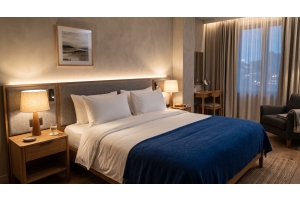
A restaurant, a canteen and a hotel do not necessarily require the same configuration. The routes, the load and the frequency of movements vary. Even the image of the trolley can take on a different weight. For this reason, the technical data sheet must be read in relation to the actual use.
Waste sorting with suitable bins should be organised according to the spaces and the types of waste produced throughout the day. Schools and offices have different requirements in terms of volume, waste type and emptying frequency. Bin capacity, placement and signage should therefore reflect actual activities. A well-planned layout makes waste separation more intuitive for users and easier for staff to manage.
The dog agility obstacles They don't all perform the same function and shouldn't be purchased as interchangeable items. Tunnels, jumps, slaloms, and contact equipment require different skills, from trajectory management to body control, and the ability to negotiate raised surfaces or difficult-to-see passages. A well-constructed course combines different exercises and allows for the gradual development of confidence, coordination, and attention.
 English
  Italian
 French
 German
 Spanish