
mon-fri 9-13 / 14.30-18.30
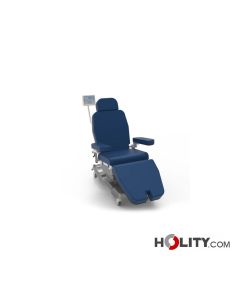
Scale armchair for dialysis with completely removable cushions. Capacity: 200 kg. Available in different colors.
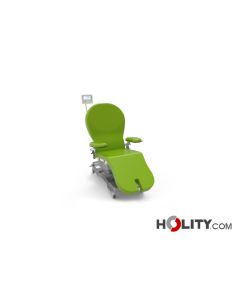
Emodialysis scale chair with anti-tip frame. Maximum capacity: 200 kg. Available in various colors.
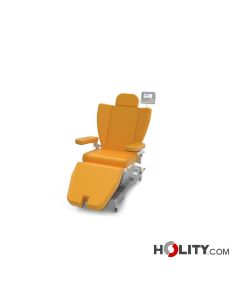
Weighing chair for hemodialysis with completely removable cushions. Maximum capacity: 200 kg.
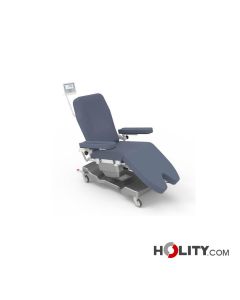
Chair scale for clinical treatments with thermosetting powder-coated steel frame. With integrated weighing system.
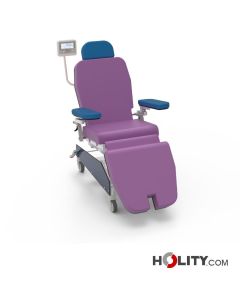
Chair with integrated digital weighing system. Maximum capacity: 150 kg.
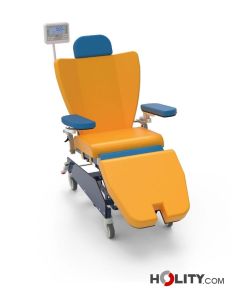
Chair with integrated weighing system. Maximum capacity: 150 kg.
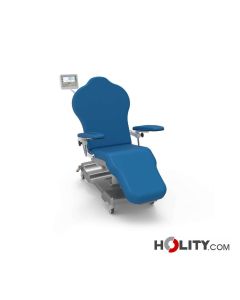
Hemodialysis scale chair for the prevention of cross-infections. Available in various colors. Dimensions: W.1480 x D.890 x H.1400 mm.
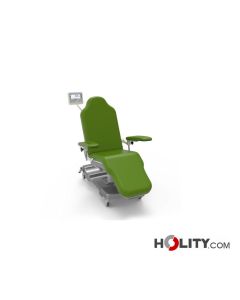
Scale chair for clinical treatments with integrated weighing system. Capacity: 200 kg. Available in various colors.
Scale chairs for clinical treatments represent specialized medical equipment designed to support patients undergoing prolonged therapeutic procedures, such as hemodialysis, intravenous infusions, and chemotherapies. These medical furnishings integrate a precision electronic weighing system that allows healthcare professionals to constantly monitor body weight during treatment, a critical element in chronic renal failure where the control of body fluids determines the effectiveness of the therapy. The combination of ergonomic comfort and technical functionality makes these chairs indispensable in dialysis, infusion, and oncology departments, where the patient remains seated for periods ranging from 4 to 5 consecutive hours.
The construction structure includes thermosetting powder-coated steel frames, removable antibacterial coverings, and integrated digital weighing systems with load capacities ranging between 150 and 200 kg. The importance of this equipment arises from the need to ensure both comfort and clinical safety, as inadequate seating carries risks of musculoskeletal complications and imprecise weight monitoring compromises the patient’s fluid-electrolyte balance. Modern scale chairs adapt to different body morphologies and are available in multiple construction configurations to meet the specific needs of public and private healthcare facilities.
The implementation of scale chairs in clinical settings brings tangible benefits from both an operational standpoint and overall therapeutic outcomes. Integrated weight monitoring allows nurses to record weight variations instantaneously, decisive information in the dialysis context where a variation of 0.5-1 kg between successive sessions can indicate fluid accumulation requiring adjustment of the dialysis prescription. Furthermore, the possibility of weighing the patient without the need for transfers to dedicated scales reduces operational times and improves the quality of the patient’s session, as they remain in a comfortable position throughout the procedure. Modern scale chairs, made with antimicrobial fabric coverings and completely removable cushions, considerably facilitate cross-infection prevention protocols, an essential prerequisite in departments where immunocompromised patients converge.
From an ergonomic perspective, prolonged comfort represents a clinically relevant factor. Dialysis patients typically spend 12-15 hours per week seated, and an inadequate chair exposes them to complications such as dorso-lumbar pain, pressure ulcers, and reductions in therapeutic compliance. Quality scale chairs guarantee calibrated lumbar support, adjustable armrests, and ergonomic padding that distributes body load evenly. The availability of different colors and finishes also allows for proper integration into the clinical environment, a factor of significant importance for the patient’s psychological well-being during emotionally taxing treatments. Public and private healthcare facilities also experience organizational benefits from the centralization of weighing, which allows for more efficient management of treatment times and standardized recording in hospital information systems.
The catalog of scale chairs for clinical treatments is divided into several construction lines, mainly differentiated by weighing system, load capacity, and structural configuration. Versions with an integrated digital weighing system represent the most common solution, characterized by electronic load cells positioned in the support frame that transmit weight data to LED or touch screen displays. Load capacities of 150 kg are well-suited for average adult populations, while 200 kg configurations are preferable in contexts where the patient caseload includes individuals with obesity or endocrine pathologies. Some variants include an anti-tip frame, a critical design element in departments where the patient population presents balance impairment or motor disabilities. The chairs can also differ by type of covering: removable antimicrobial synthetic fabrics are preferred in dialysis settings to facilitate decontamination, while faux leather coverings are suitable in infusion or chemotherapy contexts where cleaning cycles are less frequent.
The configuration of the armrests represents an important differentiating element. Fixed armrests are structurally more stable but limit lateral access for the patient, while removable or retractable armrests favor transfer autonomy, a benefit particularly appreciated in the dialysis population often composed of elderly patients with reduced joint mobility. The frame can be made of thermosetting powder-coated steel, the standard solution in the healthcare sector, or stainless steel in facilities where sterilization protocols are more aggressive. The choice between different types depends primarily on the context of use: hemodialysis departments require structural robustness and ease of cleaning, while infusion units may prioritize comfort and aesthetic finishes. Some chairs include accessories such as adjustable footrests, removable headrests, and IV pole anchoring systems, which expand the versatility of use for patients with variable anthropometric characteristics.
Selecting the appropriate scale chair requires a systematic evaluation of multiple technical and organizational factors. The maximum load capacity represents the first decision criterion: 150 kg is sufficient for departments with predominantly normal-weight caseloads, while 200 kg is indispensable where the percentage of overweight patients exceeds 30% of the population. It is critical to analyze the accuracy of the weighing system, specifying if the load cells have metrological certification and if the display provides resolutions of at least 0.1-0.5 kg, an essential parameter for reliable monitoring in renal failure. The covering material depends on the expected frequency of contamination: dialysis environments where the cleaning cycle is daily require alkali-resistant and easily removable fabrics, while contexts with a lower contaminant load tolerate less austere finishes. The presence of height-adjustable armrests improves ergonomic adaptability, especially relevant if the healthcare facility serves very heterogeneous caseloads.
A common mistake is underestimating the importance of structural stability during patient transfers. Chairs without an anti-tip frame or with a high center of gravity represent a concrete risk in environments where elderly or motor-disabled patients perform transfer movements from a wheelchair. Similarly, the availability of adjustable footrests is of primary importance for patients of short stature, in order to avoid joint stress during prolonged sitting. When evaluating available options, it is advisable to prioritize models where wearable components such as cushions and coverings are available from the distributor with fast logistics times, as the unavailability of the chair for routine maintenance significantly impacts the therapeutic schedule. Selection should also consider the space available in the department: a depth of 890-900 mm and a width of approximately 1480 mm represent acceptable standards in most dialysis departments, but cramped environments might require compact models. Finally, facilities with a high ethnic caseload should choose neutral colors and coverings without culturally connoted patterns, an aspect that improves the equity of care perception among patients of different backgrounds.
The purchase and use of scale chairs in a clinical setting must comply with an articulated regulatory framework that includes both European directives and national technical standards. The Medical Device Directive 93/42/EEC classifies scale chairs as Class II medical devices, requiring compliance with specific construction and safety standards verified by CE marking. The ISO 9095 standard establishes safety and performance requirements for medical seating, defining parameters for static and dynamic stability, structural resistance to concentrated loads, and flammability characteristics of the coverings. Regarding weighing systems, load cells must comply with Directive 2014/30/EU on electromagnetic compatibility, ensuring that the equipment does not generate interference with adjacent medical devices such as heart monitors or infusion pumps. The Italian National Institute of Metrology periodically certifies integrated weighing systems, requiring tolerances of ±50 grams on repeated measurements: a critical datum in dialysis where the precision of the fluid balance determines therapeutic effectiveness.
In the Italian context, healthcare facilities must also guarantee compliance with the disinfection and sterilization protocols established by the Ministry of Health. Coverings must be resistant to alkalis and commonly used disinfectant solutions, including 0.5-1% sodium hypochlorite and alcoholic solutions. The EN 1149-1 standard regulates the antistatic properties of fabrics, an important parameter in operating environments where gaseous anesthetics are administered or high-frequency instruments are used. Chairs intended for pediatric patients must also comply with Directive 2009/48/EC on toy safety if they include colored elements at risk of releasing toxic substances, even if to a less restrictive extent than in the leisure sector. Responsibility for regulatory compliance belongs to the manufacturer, who must provide complete technical documentation including the EU declaration of conformity and the user and maintenance manual. Receiving healthcare facilities must perform documentary acceptance checks and initial functional controls, recording the calibration data of the weighing systems as part of the management of medico-legal documentation.
Explore all products in the category and compare the available solutions to find the one best suited to your operational context. Consult the detailed technical specifications, check the availability of accessories and customized options, and contact the specialized team directly for ergonomic and logistical evaluations regarding your clinical spaces.
The difference lies in the maximum supportable load capacity. 150 kg chairs are suitable for normal-weight and slightly overweight patients, while 200 kg versions guarantee structural safety even for cases with significant obesity. The choice depends on the demographic composition of the treated population and the margin of safety desired by the operators.
Electronic load cells are positioned at the contact points of the frame with the support base, usually at the four support corners. The signal is transmitted to an electronic module that calculates the total weight and displays it on an LED or touch screen display. The typical accuracy is ±50 grams on repeated measurements, metrologically certified.
Yes, most contemporary models feature completely removable cushions and coverings through Velcro fastening systems or snap buttons. This feature significantly facilitates daily disinfection protocols and extends the useful life of the underlying structure by reducing wear.
Chairs must comply with ISO 9095 for safety requirements for medical seating, including static stability tests, resistance to concentrated loads, and flammability properties of the coverings. Furthermore, they require CE marking as a Class II medical device according to Directive 93/42/EEC.
 English
  Italian
 French
 German
 Spanish