
mon-fri 9-13 / 14.30-18.30
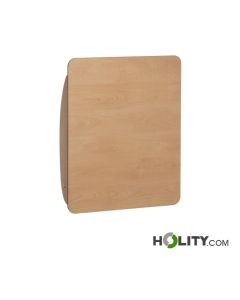
Compact wall-mounted changing table in multiplex wood and HPL. Depth of 22.1 cm, ideal for limited public spaces with intensive use.
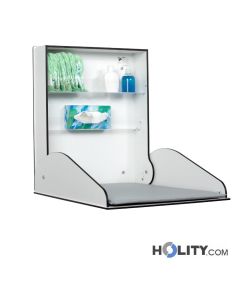
Professional wall-mounted changing table in HPL, 60.5x80.5 cm. Waterproof and space-saving high-resistance structure, ideal for public services and nurseries.
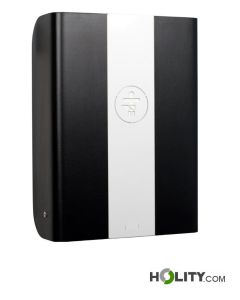
Professional wall-mounted changing table in metal and HPL, compact with a large changing surface and a capacity of 50 kg, ideal for intensive use.
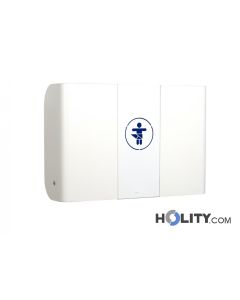
Horizontal wall-mounted baby changing table in shaped wood and metal, 83x56.2 cm. Space-saving foldable design for high-traffic public restrooms.
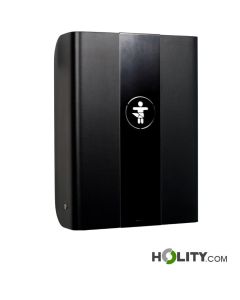
Professional wall-mounted changing table in metal and HPL multiplex (83x68.2 cm). Space-saving design certified TÜV for high-traffic public facilities.
Wall-mounted changing tables represent an essential solution for public, commercial, and healthcare facilities that require dedicated spaces for baby changing and hygiene. These professional furnishings combine practicality, safety, and rational space management, meeting the most rigorous international standards. Available in horizontal, vertical, and folding configurations, wall-mounted changing tables adapt to various layout and traffic needs, from shopping centers and service stations to hospital facilities and childcare centers. The correct choice involves evaluations of materials, load capacity, dimensions when open and closed, as well as compliance with current safety regulations.
A wall-mounted changing table represents a strategic investment for any facility that welcomes families with small children. Unlike mobile solutions or floor-mounted changing tables, the wall-mounted version offers significant space savings, a critical element in public premises where every square centimeter has economic and functional value. These furnishings free up the bathroom surface, facilitating cleaning and passage, reducing overall clutter without compromising on practical use. The fixed wall structure guarantees absolute stability during changing operations, a fundamental aspect when working with infants and children who require maximum safety. Furthermore, a correctly installed changing table reduces routine and extraordinary maintenance times, as it does not suffer the typical damage of mobile furniture that is frequently moved.
From an operational point of view, the practicality of access and use represents a concrete advantage in high-traffic contexts. Shopping centers, service stations, healthcare facilities, and railway stations manage hundreds of daily users, so the speed in making the changing table available and in its sanitization between uses becomes a determining factor. Folding models, in particular, allow the changing surface to be folded away when not in use, minimizing the interstitial spaces where dust and bacteria could accumulate. The construction ergonomics reduce operator fatigue during frequent child changing, an element often underestimated but critical for the prevention of musculoskeletal disorders. Features such as adjustable safety belts, sufficiently large support surfaces, and hygienic materials contribute to creating an efficient work environment that complies with professional hygiene practices.
The wall-mounted changing table market is primarily divided into three construction categories, each with specific technical characteristics and fields of application. Horizontal changing tables keep the changing surface parallel to the wall, opening horizontally. This configuration offers a wide and accessible surface, particularly suitable for those with mobility issues and for operators who prefer to work in less hunched positions. The dimensions when open usually vary between 80 and 90 centimeters in length and 50 centimeters in depth, ensuring sufficient space for diapers, towels, and changing accessories. Horizontal models are distinguished by different construction materials: high-density polyethylene (HDPE), polypropylene (PP), and, in the most robust versions, metal with high-pressure laminate (HPL) coatings. Load capacity varies from 11 to 50 kilograms depending on the model.
Vertical folding changing tables, on the other hand, fold vertically, occupying minimal space when not in use, sometimes depths of less than 15 centimeters. This feature makes them ideal for busy public bathrooms where space management is critical. When completely closed, they remain practically invisible on the wall, improving the aesthetics of the restrooms. Vertical opening requires more movement from the operator but drastically reduces permanent clutter. Rigid plastic models (ABS, polypropylene) are the lightest and easiest to clean, while multiplex wood and HPL versions offer a more welcoming appearance and increased durability in very high-use contexts. Stainless steel changing tables represent the most robust and hygienic solution, particularly suitable for healthcare and hospital environments where corrosion resistance and ease of sanitization are priorities. Stainless steel facilitates the use of aggressive detergents and frequent disinfection procedures without compromising material properties.
Selecting a wall-mounted changing table requires a systematic analysis of technical and contextual variables. The first criterion concerns the available space: it is essential to measure the width of the free wall, the depth available when the changing table is fully open, and the desired installation height (usually between 80 and 90 centimeters from the floor for optimal ergonomics). If space is particularly limited, vertical folding models represent the necessary choice, sacrificing a portion of ease of use in favor of surface savings. The second parameter concerns the frequency of use and the user profile: facilities with thousands of daily passages require more resistant materials and more reliable closing systems, while bathrooms with moderate use allow for simpler and more economical solutions. If the changing table must also accommodate older children (up to 4-5 years), the load capacity must be proportionate, moving towards models certified for 20 kilograms or more.
Hygiene and ease of sanitization represent crucial variables that are often underestimated. Avoid porous materials or those with many sharp corners where dirt and bacteria could hide. Continuous polypropylene models and especially those in stainless steel facilitate cleaning operations with disinfectant sprays and sanitizing wipes. The presence of safety belts is mandatory by law, but their adjustability and ease of washing are important aspects for operator comfort and accident prevention. Evaluate whether the belt is removable or fixed and integrated into the structure: removable versions simplify replacement in case of wear. The declared maximum capacity is not just a number, but a structural safety parameter that must be strictly respected. A frequent error is choosing undersized models to save money, risking structural failure and injury. Finally, consider whether the structure allows for the installation of additional accessories such as bag hooks, wipe dispensers, or integrated sanitizers, which increase operational functionality.
Wall-mounted changing tables intended for public premises and professional facilities are subject to specific regulations that guarantee safety and hygiene. The international reference standard is the EN 12221 standard, which establishes safety requirements for baby changing tables in public facilities. This standard specifies minimum dimensions of the support surface, minimum load capacity (generally 11 kilograms for children up to 12 months, unless otherwise certified), mechanical resistance of the structure, and characteristics of the containment and safety systems. The standard also requires that all protrusions, corners, and edges be rounded to prevent accidental injuries during use. EN 12221 certification must always be verified in the product’s technical specifications: the absence of this certification represents a legal risk for the facility that installs the changing table.
In addition to the European standard, it is essential to consider local hygiene requirements and healthcare authority guidelines. In Italy, public facilities and commercial establishments that host families with children must comply with the indications of the Ministry of Health circular regarding the hygiene of public environments. Materials must be non-toxic, non-porous, and easily disinfectable. Wall installation must guarantee stability and permanent fixing, excluding changing tables mounted on temporary or structurally unsuitable supports. Routine maintenance must be documented: many facilities implement daily cleaning and disinfection logs, an element that protects both users and the facility itself from legal liabilities. The installation height, although not always strictly regulated, should respect ergonomics for operators of average height (around 90 centimeters from the floor for those working in a standing position). Finally, the structure must be installed by qualified technicians with appropriate wall fixings, generally with anchors and bolts for concrete or masonry walls, excluding fragile or non-structural surfaces.
Explore all products in the category and compare available solutions to find the one best suited to your operational context. Evaluate dimensions, materials, load capacity, and certifications based on the specific needs of your facility.
Horizontal changing tables keep the surface parallel to the wall, offering a wide and accessible surface, ideal for frequent use. Vertical ones fold upwards when not in use, occupying minimal depth (10-15 cm) and are suitable for very limited spaces. The choice depends on the compromise between practicality and space availability.
Stainless steel and HDPE polyethylene are the most hygienic materials. Stainless steel resists aggressive disinfectants better and allows for intensive sanitization; HDPE offers a good balance between hygiene, practicality, and cost. Avoid porous materials or those with too many corners that are difficult to clean.
Standard changing tables are certified for capacities between 11 and 23 kilograms. For facilities that accommodate larger children or have higher frequency, choose models with a capacity of at least 20 kg. Always verify the EN 12221 certification on the product’s technical certificate.
Installation must be performed by qualified technicians on structural walls (concrete, masonry) with permanent fixings: chemical or mechanical anchors and minimum M10 bolts. The standard height is 80-90 cm from the floor. Verify that the wall is strong enough to support the maximum capacity of the changing table.
After each use, clean with damp wipes and neutral detergent; once a day, perform sanitization with a disinfectant registered for surfaces in direct contact with the skin (70% alcohol or similar). Weekly, also clean components such as belts and hooks. Maintain a written record of operations.
No, if it is EN 12221 certified. Professional folding changing tables have controlled opening and closing systems (including pneumatic ones), guaranteeing the same structural safety. The reduction in space does not compromise stability when open; the child’s safety also depends on the correct use of the belts.
The depth of a folded vertical changing table varies from 10 to 15 centimeters depending on the model. This allows it to be installed in very compact bathrooms without permanent visual clutter. When completely closed, the changing table occupies less space than a standard towel rack.
Microban® is an antimicrobial additive integrated into the material (usually plastic) that inhibits the growth of bacteria and mold. It reduces microbial proliferation between sanitizations, increasing perceived hygiene. It is particularly useful in high-traffic facilities such as shopping centers and service stations.
 English
  Italian
 French
 German
 Spanish