
mon-fri 9-13 / 14.30-18.30
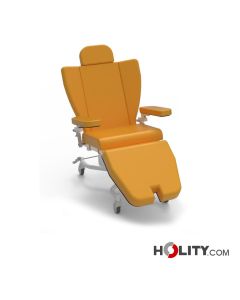
Phlebotomy chair equipped with armrests. Fireproof imitation leather upholstery.
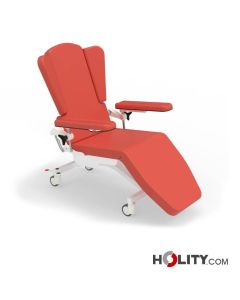
Blood collection chair with anti-tip frame. Maximum capacity: 200 kg.
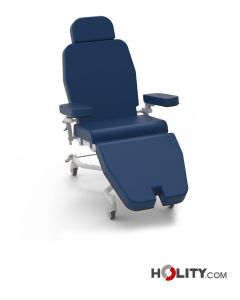
Blood collection chair. Fire-retardant imitation leather upholstery. Maximum capacity: 200 kg
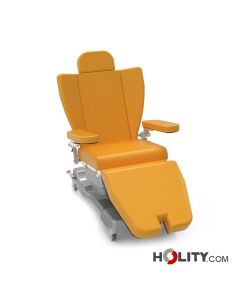
Blood collection and examination chair with simultaneous backrest and leg section movement. Capacity: 200 kg.
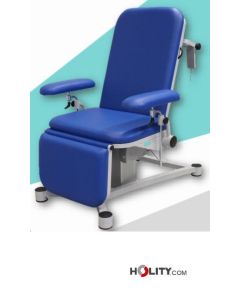
Blood sampling chair with metal structure. Equipped with armrests. Adjustable height: 57 - 98 cm. Available in various colors.
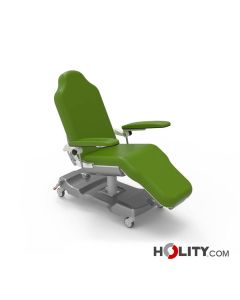
Blood collection chair, day hospital and emergency room with handset for movement management. Capacity: 200 kg.
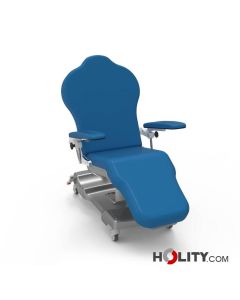
Armchair for treatments and blood samples for hospital use. Capacity: 200 kg. With 2 motors.
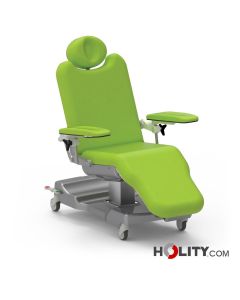
Specialist chair for minor surgery. Capacity: 200 kg. Backrest and leg rest adjustable simultaneously and independently.
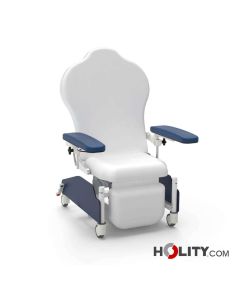
Multifunctional chair for hospital use. Electric movement of backrest and leg rest. Capacity: 200 kg.
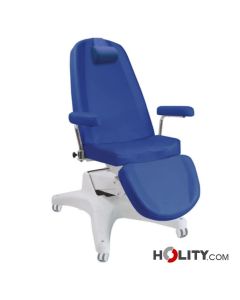
Armchair for outpatient environments. Maximum load capacity: 200 kg. Dimensions: W. 180 x D. 88 cm
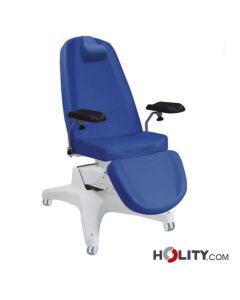
Blood collection chair with padded surface. Reclining backrest and leg rest. Dimensions: L. 180 x W. 78 cm.
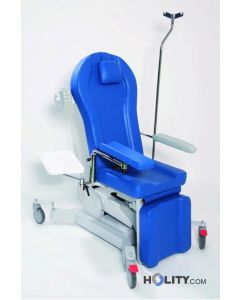
Blood collection and therapy chair with three sections: seat, backrest, and legrest. Capacity: 200 Kg
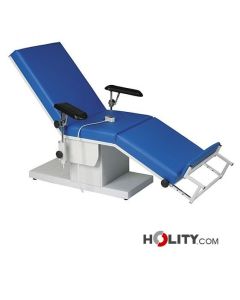
Dialysis chair, capacity 200 kg. 3 sections with continuously variable electric adjustment, operated by hand switch.
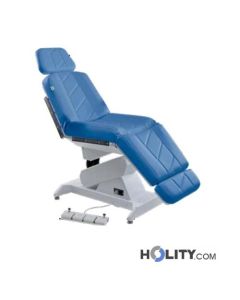
Blood collection chair with clamps. With 4 motors for electric adjustment of height, backrest, leg rest and trendelenburg.
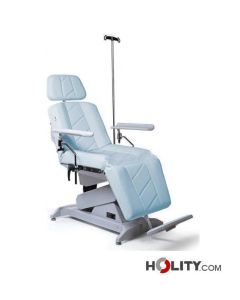
Blood collection and therapy chair with 4 electric motors for adjustment. Available in various colors.
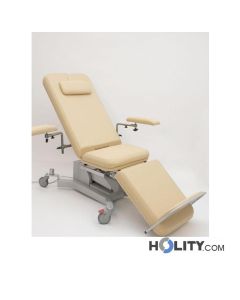
Chair for therapy and blood collection. Capacity: 200 Kg. Length: 2200 mm.
Blood collection chairs represent an essential element in healthcare facilities, from transfusion centers to general practitioners’ surgeries, and from specialized clinics to analysis laboratories. These medical furnishings combine patient comfort, operational ergonomics, and specific technical requirements to ensure safe and efficient collection procedures. A well-designed blood collection chair reduces patient anxiety, facilitates venous access for the healthcare professional, and supports prolonged periods of stay during infusion therapies or blood donations.
Choosing the right chair depends on multiple factors: types of procedures performed, patient volume, available space, required weight capacity, and specific construction features. In this catalog, you will find solutions intended for very different contexts, from busy outpatient clinics to hospital collection rooms, including dedicated vaccine stations and infusion therapy units.
A chair dedicated to blood collection or therapy administration represents an investment in the well-being of the healthcare facility on multiple levels. From the patient’s perspective, an ergonomic seat with an adjustable backrest and arm and leg supports significantly reduces psychophysical stress during the procedure, limiting phenomena such as syncope or lightheadedness common in anxious patients or those with unstable blood pressure. The ergonomics of the chair directly influences the quality of the procedure: correct positioning of the collection station allows the operator to work without back strain and with better visibility of the needle insertion site, reducing the number of repeated punctures and improving the success rate on the first attempt.
From an organizational point of view, a multifunctional chair allows for the management of different types of patients (adults, obese, pediatric, bedridden) with a single piece of furniture, optimizing investments. Reclining chairs with adjustable leg rests are indispensable in contexts of prolonged infusion therapy, where the patient remains seated for 2-4 hours: in these cases, postural comfort becomes an essential clinical criterion. The ability to adjust the height of the chair also allows for the correct alignment of the patient with blood collection systems and IV stands, reducing procedural errors.
The market offers blood collection chairs with very different construction features, designed to meet specific operational needs. Fixed-height chairs represent the most economical and stable solution; they maintain compact dimensions and are indicated for clinics with standardized procedures and rapid patient turnover. They have variable weight capacities (from 130 to 300 kg) and compact sizes that facilitate positioning even in tight spaces. Adjustable-height chairs instead allow for adapting the seat to the height of the operator and the patient, making them preferable in contexts where professionals of different statures work or where collections alternate in different body positions.
Folding chairs equipped with wheels represent the most versatile category: they allow for transferring the patient between different environments, are easily repositionable in case of space reorganization, and occupy less volume when not in use. Chairs with adjustable or reclining leg rests and headrests are specifically designed for infusion therapies and blood donations, where the patient remains seated for long periods; the backrest movement varies from 93° up to 180° (fully flat), while the leg rest can be elevated to promote venous return and circulatory comfort. Bariatric chairs, with weight capacities up to 300 kg and particularly wide seats (620 mm and more), meet the needs of overweight patients, who are increasingly frequent in modern hospital facilities.
Selecting a blood collection chair requires a preliminary assessment of the operational context and the prevailing procedures. Start by identifying the type of procedures most common in your facility: if you primarily perform short-duration venous collections (5-10 minutes), a fixed-height chair with extractable armrests represents an economical and functional solution; if you handle blood donations or long infusion therapies (2-4 hours), opt for a reclining chair with a backrest adjustable up to at least 120-130° and an elevatable leg rest. Weight capacity is a non-negotiable criterion: consult the anthropometric data of your patient population and choose a capacity at least 20-30% higher than the expected average weight to ensure safety and durability over time.
The height of the seat is of fundamental importance: most fixed chairs have a height between 43 and 54 cm, values suitable for operators of average stature; if your team includes particularly short or tall personnel, prioritize models with seat height adjustment (from 43 to 54 cm) rather than of the total structure. Also evaluate the available space: folding chairs occupy less volume at the end of the shift but require daily opening/closing operations; fixed chairs on wheels with brakes represent a compromise. Examine the upholstery characteristics (fireproof vinyl, padded imitation leather, or fabric): vinyl is more hygienic and easily washable but less breathable; imitation leather offers a balance between hygiene and comfort; fireproof technical fabrics combine breathability with fire regulation compliance. Finally, check the availability of additional accessories (IV stand, diuresis support, headrest) that can transform a blood collection chair into a multifunctional station.
Chairs for blood collection and therapies must comply with international standards that guarantee structural safety, stability, and hygiene. The EN 12521 standard defines the requirements for medical furniture in general, including chairs for examination and treatment; it specifies static and dynamic load tests, furniture stability, absence of dangerous edges, and compatibility with average anthropometric dimensions. The resistance of the upholstery is regulated by EN 1021 standards (fire behavior) and must guarantee that the material is fireproof or self-extinguishing, which is essential in hospital environments where fire risk is significant.
Regarding hygiene, upholstery must be washable with common disinfectant solutions (70% alcohol, 0.5% chlorine) without deterioration; many facilities also require the sterilizability of removable components (armrests, leg rests). Stability is verified through tilt tests: a blood collection chair must not tip over when subjected to simulated lateral forces or when the patient moves during the procedure. The declared weight capacity must be based on standardized tests and must not be exceeded under any condition; furthermore, for reclining chairs, the maximum capacity may vary based on the backrest inclination angle. Many public facilities require CE marking and compliance with Directive 93/42/EEC (medical devices) or subsequent European regulations. For electric chairs, electrical safety standards (EN 60601) and protection against short circuits and malfunction are also applicable.
Explore all the products in the category and compare available solutions to find the one best suited to your operational context. Contact our technical team to receive support in selection based on your specific procedure needs, available space, and patient volume.
The chair has an adjustable backrest and armrests, ideal for long therapies and donations. The seat is more compact and lightweight, used for rapid collections in high-turnover clinics. Chairs offer greater comfort and postural support, while seats guarantee practicality and ease of transport.
Lengths vary from 55 to 80 cm, depth 45-80 cm, total heights 95-135 cm with seat height 43-60 cm. Folding chairs can reach 175 cm in length. Dimensions should be chosen based on available space and the type of procedures prevalent in the facility.
Standard chairs have capacities from 130 to 150 kg. Bariatric models exist up to 300 kg for overweight patients. The capacity should always exceed the average weight of your patients by 20-30% to ensure durability and operational safety over time.
The vinyl or padded imitation leather upholstery should be cleaned daily with 70% alcohol or standard hospital solutions. Removable armrests should be washed separately. Avoid stagnant soapy water that could infiltrate the padding. Always dry with disposable paper after disinfection.
The electric chair offers more precise backrest and leg rest adjustment without physical effort, ideal for long therapies and patients with reduced mobility. The mechanical one is more economical, robust, and does not require electrical maintenance, suitable for clinics with short procedures and a limited budget.
Yes, many chairs are specifically indicated for vaccines and blood collection. The compact dimensions and adjustable height facilitate access to the arm. Choose models with extractable armrests to allow patient movement after vaccination and reduce the risk of syncope.
Simple fixed chairs start from €343 + VAT, professional reclining models range from €500 to €1,100 + VAT, bariatric chairs reach €1,200-1,400 + VAT. Folding and motorized chairs cost from €900 to €1,500 + VAT. The price reflects materials, weight capacity, and available functions.
Yes, if equipped with effective brakes on at least two wheels. Professional chairs have easily operated pedal brakes. Stability is guaranteed by the weight of the structure and the width of the base. Always check that the brakes completely lock the wheels before performing procedures.
 English
  Italian
 French
 German
 Spanish