
mon-fri 9-13 / 14.30-18.30
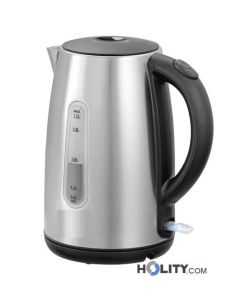
Professional high-capacity (1.7 litres) electric kettle in stainless steel with a power of 2.2 kW. Cordless design, integrated anti-limescale filter and advanced safety systems against dry operation. Ideal for breakfasts and hotel courtesy sets.
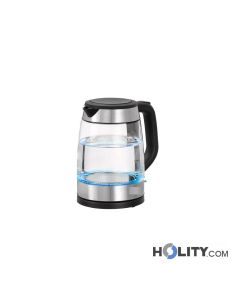
Professional electric kettle in glass and stainless steel with a 1.7-liter capacity and scenic blue LED lighting. 2.2 kW power for fast boiling, 360° cordless base and advanced safety systems. Ideal for offices, studios and breakfast rooms.
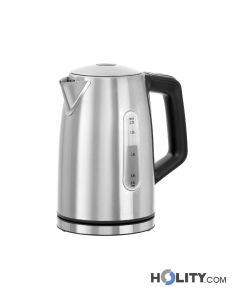
Professional high-precision electric kettle 1.7 liters with 14 temperature levels (35 °C - 100 °C). Equipped with integrated display, removable limescale filter and keep warm function. Power 2.2 kW. Dimensions: 22 x 15 x 25 cm.
The integration of professional electric kettles within accommodation facilities and modern workspaces represents a distinctive element of guest care and service optimization. These devices are not simple kitchen appliances, but tools designed to withstand intense usage cycles, while ensuring maximum operational safety and superior thermal efficiency. In HoReCa structures, particularly in hotels and bed & breakfasts, the kettle becomes the centerpiece of the “hospitality tray”, offering the customer the possibility of preparing hot drinks in total autonomy and comfort in their own room.
Choosing a professional model differs radically from consumer options due to the quality of the construction materials, usually AISI 304 stainless steel or high-quality heat-resistant polymers, and for the implementation of advanced safety systems such as automatic shut-off upon reaching boiling point or in case of absence of liquids. Investing in certified equipment allows for a drastic reduction in maintenance interventions and raises the perceived standard of the facility, meeting the needs of an international clientele accustomed to high and functional hospitality standards.
The adoption of electric kettles for professional use primarily responds to a need for mechanical and electrical reliability that domestic models cannot guarantee in the long term. In a hotel or community context, the appliance is operated numerous times a day, often by different users who may not take the utmost care of the device. Professional design includes protected or hidden heating elements, which limit scale accumulation and facilitate cleaning operations, ensuring that the water maintains unaltered organoleptic properties without unpleasant metallic or plastic aftertastes. Furthermore, heating speed is a critical factor: professional models are calibrated to reach operating temperature in a very short time, optimizing the overall energy consumption of the structure.
Another fundamental aspect concerns aesthetics and integration into interior design, where the kettle must coordinate with the furniture of the room or the breakfast room. Specialized manufacturers offer satin, polished, or matte finishes that resist fingerprints and the wear of time, maintaining a decent appearance even after years of service. In addition to the aesthetic factor, the robustness of the connectors and the 360-degree bases allows for easy and safe positioning, reducing the risk of accidental tipping or short circuits due to moisture infiltration. Choosing an industrially derived product also means having access to dedicated spare parts, a fundamental aspect for those who must manage machine parks of tens or hundreds of units.
The landscape of professional kettles is extremely varied and adapts to the different service configurations required by the market. First and foremost, free-standing models stand out, characterized by different volumetric capacities that usually range from 0.5 liters for single-room use up to 2 liters for buffets or common rooms. A special mention goes to kettles with integrated trays, also known as hospitality sets or “welcome trays”. These systems combine the kettle with an organized base in wood, ABS, or melamine, equipped with specific compartments for tea bags, sugar, instant coffee, and spoons. This configuration not only improves the visual order of the room but also protects the furniture from any water splashes or excessive heat, clearly delimiting the refreshment area.
In addition to the tray variant, there are kettles with variable temperature control, particularly appreciated in contexts where a selection of fine teas is served that require infusions at specific temperatures (such as 80°C for green tea). From a material point of view, stainless steel remains the reference standard for its hygiene and durability, but there are also solutions in borosilicate glass for a scenic effect during boiling, or in BPA-free plastic materials for greater lightness and external thermal insulation. Each variant is designed to meet a specific operational need, balancing load capacity, footprint on the support surface, and ease of periodic descaling, a vital parameter for the longevity of the heating element.
Selecting the ideal electric kettle requires a preventive analysis of the context of use and the profile of the end user. One of the most relevant decision criteria is the tank capacity: for hotel rooms, a 0.8 or 1-liter model is often preferable as it discourages the waste of water and energy, being more compact and manageable. In collective contexts such as offices or meeting rooms, it is instead appropriate to aim for larger capacities to avoid continuous refills. A recurring problem reported by operators is the accumulation of scale in areas with hard water; therefore, focusing on models with a removable and washable anti-scale filter and a flat stainless steel bottom is a far-sighted choice that reduces extraordinary maintenance costs and guarantees a always clear delivery.
Attention must also be paid to thermal safety: models equipped with “cool-touch” technology feature a double wall that keeps the external surface warm even during boiling, preventing accidental burns for the guest, a non-negligible risk factor in terms of insurance and customer satisfaction. Avoiding the common mistake of purchasing domestic products to save on the initial purchase price is fundamental: the lack of CE certifications for professional use and the fragility of the electrical components would lead to a premature replacement of the appliance, canceling out the savings. Finally, evaluating whether the hospitality tray is necessary helps to define the total footprint on the desk, ensuring that the power cord is the correct length to reach available sockets without creating dangerous obstacles.
Kettles intended for the professional sector must meet rigorous compliance standards that guarantee the safety of the operator and the end user. The CE marking is the essential minimum requirement, certifying that the product complies with European directives on electrical safety and electromagnetic compatibility. In the food sector, it is essential that materials in contact with water comply with the MOCA regulation (Materials and Objects in Contact with Food), guaranteeing the absence of migration of toxic substances or heavy metals during heating phases at high temperatures. This aspect is particularly critical for internal gaskets and filters, which must be tested to withstand repeated thermal cycles without degrading.
In addition to the hygienic-sanitary aspects, compliance with the RoHS directive limits the use of dangerous substances in electronic equipment, promoting sustainable management of the product’s end of life. In specific contexts, such as healthcare facilities or large business centers, further standards related to energy saving and timed automatic shut-off may be required. The presence of a manual or automatic reset safety thermostat is a technical element that prevents overheating in case of failure of the main control, representing one of the pillars of fire prevention in buildings open to the public. Always verify that the supplier provides the updated declaration of conformity, an essential document for safety checks and for maintaining HACCP standards where required.
Explore all the products in the category and compare the available solutions to find the one best suited to your operational context.
For hotel rooms, a kettle with a capacity between 0.5 and 1 liter is generally recommended. This size is ideal for preparing two cups simultaneously, reduces water waste, and limits the space occupied on furniture or hospitality trays in guest rooms.
The professional hospitality tray allows for the orderly organization of the kettle and accessories such as bags and sugar. It protects furniture surfaces from heat and water droplets, improving the room’s aesthetics and facilitating cleaning operations for housekeeping staff.
Routine maintenance includes periodic descaling using specific products or water and vinegar solutions to keep the internal heating element clean. It is essential to regularly clean the removable anti-scale filter under running water to ensure optimal water flow free of solid residues.
Professional kettles are equipped with automatic shut-off systems that activate as soon as the water reaches 100°C or if the appliance is lifted from the base. However, for maximum safety and energy savings, it is good practice to verify that the base is intact and positioned on dry surfaces.
AISI 304 stainless steel represents the excellent choice for its resistance to corrosion and ease of sanitization. Alternatively, high-quality BPA-free polypropylene models offer excellent external thermal insulation, reducing the risk of burns when contacting the carafe.
It is a thermal safety device that immediately cuts off the power supply if the kettle is turned on without water inside. This technology prevents the heating element from overheating and potential fires, significantly extending the useful life of the appliance in high-rotation contexts.
 English
  Italian
 French
 German
 Spanish