mon-fri 9-13 / 14.30-18.30
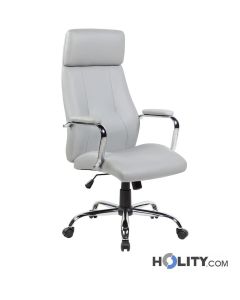
Executive office seating with padded fabric upholstery. Adjustable height.
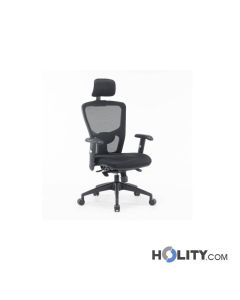
Executive chair with multi-position adjustable backrest. Black polypropylene structure. Adjustable height: H.122-130 cm.
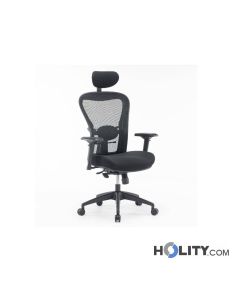
Mesh executive chair with black polypropylene structure and swivel and adjustable PU armrests. Adjustable height: 100-108 cm.
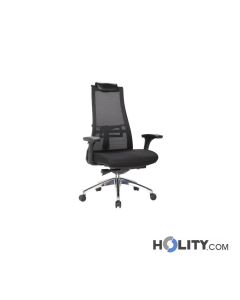
Executive chair in black padded fabric with polypropylene structure and headrest. Adjustable height: 110-118 cm.
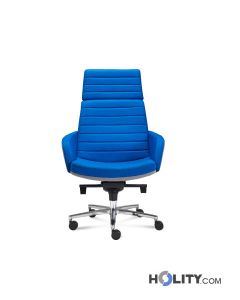
Presidential seat with fixed headrest and fire-retardant eco-leather upholstery. Equipped with armrests. Total height: 120 cm.
Executive office seating represents a fundamental element in the furnishing of professional workspaces, particularly for areas intended for executives, managers, and senior figures. This furniture combines ergonomic functionality, refined design, and resistant materials to ensure comfort during long working hours in the office. A quality executive chair is not just an aesthetic element, but directly affects the user’s posture, concentration, and spinal health.
In the context of modern offices, choosing the right seat depends on multiple variables: available space, the intended type of use, the company budget, and the aesthetic preferences of the environment. Executive seating is distinguished from standard task chairs by superior construction quality, advanced adjustability, and more premium upholstery. Investing in an appropriate solution means improving the work experience and reducing ergonomic risks related to sedentary work.
A well-selected executive seat offers concrete advantages that are reflected in the productivity and well-being of the user. Ergonomics is the first benefit: these armchairs are designed to correctly support the natural curve of the spine, reducing muscle fatigue and postural disorders. The adjustability of height, backrest, and armrests allows the seat to be customized based on the physical characteristics of the user, a crucial factor for avoiding neck and lumbar tension. Furthermore, a comfortable seat promotes concentration during prolonged meetings, delicate negotiations, and focused computer work.
From a corporate perspective, the quality of the executive seat also communicates a message of professionalism and attention to detail. A luxury armchair or a well-maintained chair transforms the office into a space where the client or business partner perceives care and seriousness. Executive seating lasts over time thanks to durable materials and robust construction, thus amortizing the initial cost over years of use. Maintenance is also simplified when choosing a seat with water-repellent or easy-to-clean upholstery, a fundamental aspect in high-traffic environments.
The catalog of executive seating is divided into different categories based on materials, adjustment mechanisms, and aesthetic style. Faux leather (water-repellent sky) armchairs represent the most versatile and practical solution: they offer the luxurious look of real leather with lower costs and greater ease of cleaning. These coverings resist accidental impacts, spilled liquids, and mechanical wear, making them ideal for offices with intense use. Eco-leather seats constitute a sustainable alternative, maintaining a professional aesthetic and comparable durability. Padded fabric chairs, on the other hand, guarantee superior tactile comfort and better breathability, although they require more careful maintenance and periodic cleaning.
Regarding adjustment mechanisms, seats without armrests allow for greater freedom of movement and adapt to smaller desks, while those with armrests offer support to the upper limbs and contribute to a more relaxed posture. Gas lift is now standard on almost all models, allowing for smooth height adjustment without effort. The tilting mechanism with lock, present on many premium models, allows the backrest to be reclined while maintaining the desired tension, ideal for short relaxation breaks during the workday. Finally, sled base seats in steel offer a more minimalist and modern design, without wheels, suitable for spaces where mobility is not necessary and contemporary aesthetics are a priority.
The choice of an executive seat must start from the analysis of the context of use: the first criterion is to evaluate how many hours a day the armchair will be used. Seats designed for use up to 8 hours a day feature softer padding and more complete adjustments, while entry-level models are sufficient for occasional use or reception offices. The second element is the available space: a corner desk in a large office allows for voluminous seats with substantial armrests, while a workstation in an open space might need a more compact and light armchair. Maximum capacity is an often underestimated aspect: verifying that the armchair supports the user’s weight is essential to guarantee safety and structural integrity over time. Most executive seats support from 100 to 130 kg, but specific models may have different capacities.
A common mistake is choosing based solely on price: an inexpensive seat might require frequent replacements and generate hidden costs related to repairs or work discomfort. Height adjustability is a critical aspect: significant advantages derive from wide adjustment ranges (for example 92-117 cm) that allow for precise adaptations. The color and upholstery must harmonize with the environment but without compromising on practicality: black or dark gray hides signs of wear better than white, especially in dusty environments. Finally, considering the presence of wheels and their ability to move on different types of floors (carpet, parquet, concrete) affects daily ease of use. A showroom visit or a detailed reading of the technical specifications remains the safest way to identify the ideal solution for your needs.
Executive seating must comply with international technical regulations that guarantee safety, stability, and ergonomic performance. The main reference standard is EN ISO 4875, which defines safety requirements for office seating, including strength tests, base stability, locking mechanisms, and durability tests. This standard establishes that adjustment mechanisms must operate smoothly and in a controlled manner, avoiding sudden failures. The maximum capacity indicated by the manufacturer must be the result of specific tests, not a generic estimate. Chair stability, verified through tipping tests, is also a mandatory requirement: the base must guarantee sufficient width so that the chair does not tip over during normal operations.
Regarding materials, upholstery must meet flammability standards according to European regulations, ensuring that the fabric or faux leather does not spread fire in case of accidental contact with heat sources. For seats used in public offices and sensitive structures, additional certifications regarding compliance with health and safety at work regulations (Legislative Decree 81/2008 in Italy) may be required. The materials used, especially for padding and foam, must be free of toxic substances and must respect the emission limits for volatile organic compounds (VOC). Component traceability, manufacturer documentation, and the presence of a user and maintenance manual are elements that guarantee compliance with standards and facilitate control and compliance operations by the buyer.
Explore all the products in the category and compare the available solutions to find the one best suited to your operational context. From the minimalist sled base seat to the fully adjustable executive armchair, the catalog offers options for every budget, space, and aesthetic preference.
An executive seat is distinguished by superior materials, thicker padding, advanced adjustment mechanisms, and a more refined design. While task chairs are designed for open workstations and intense use, executive seats prioritize comfort and prestige, always featuring armrests, high backrests, and often a tilting mechanism. The capacity is generally higher and the durability greater.
The seat height should allow your feet to touch the floor with your legs at a 90-degree angle and the armrests at the height of the desk surface. Most executive seats allow for an adjustment between 92 and 127 cm. It is essential to verify the adjustability range before purchasing, considering the desk height and the user’s height.
Water-repellent sky faux leather is the ideal choice for high-traffic environments due to its resistance to liquids, impacts, and ease of cleaning. Eco-leather offers a sustainable alternative with similar properties. Padded fabric, while more comfortable, requires more careful maintenance and is not recommended in dusty or frequently contaminated environments.
Maximum capacity varies from 100 to 130 kg on professional models. Choosing a seat with a capacity higher than the actual weight of the user guarantees longevity, stability, and structural safety. Insufficient capacity can cause failures, damage to mechanisms, and loss of warranty. Always consult the technical specifications before purchasing.
Armrests offer support for the upper limbs and a more relaxed posture, making them ideal for meetings and focused work. However, seats without armrests allow for greater freedom of movement, are more compact, and adapt better to small desks. The choice depends on the intended use and personal ergonomic preferences.
Gas lift is standard and allows for smooth seat height adjustment. The tilting mechanism with lock adds the possibility of reclining the backrest while maintaining controlled tension, useful for short rest breaks during the day. Premium seats include both mechanisms, ensuring versatility of use.
Regularly clean the upholstery with a damp cloth, avoid contact with direct heat sources, and occasionally lubricate the adjustment mechanisms with a specific lubricant. Faux leather seats require less maintenance than fabric ones. Consult the user manual provided by the manufacturer for specific care and maintenance instructions.
The EN ISO 4875 regulation is the international reference standard for office seating, guaranteeing tests for strength, stability, and mechanism safety. Verify that the product bears the CE certification and consult the manufacturer’s documentation. Additional certifications may concern flammability, toxic substance emissions, and compliance with occupational safety laws.
 English
  Italian
 French
 German
 Spanish